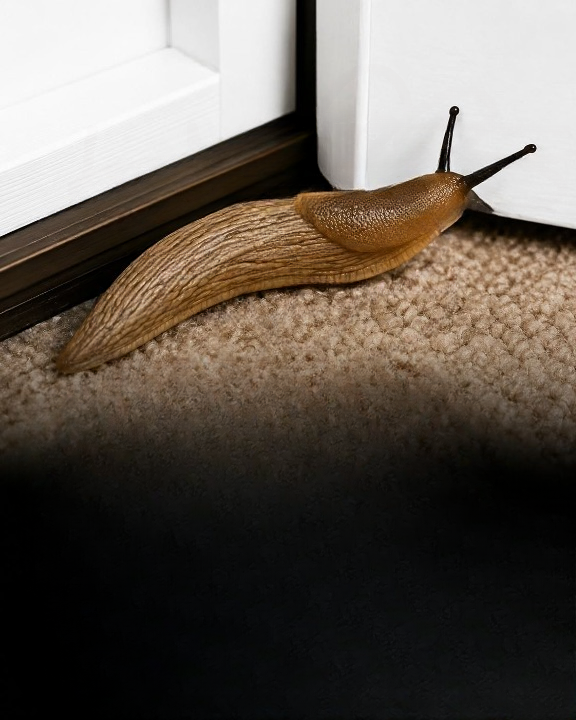
If you’ve ever stepped into your garden in the morning only to find ragged holes in your lettuce leaves or seedlings cut down overnight, you’ve likely met one of gardening’s most persistent enemies: slugs and snails.
These slow-moving pests may not look threatening, but they can cause serious and sometimes irreversible damage to plants if left unchecked. The real problem isn’t just the adults you occasionally see on damp evenings—it’s what they leave behind in hidden clusters: eggs.
Learning how to identify slug and snail eggs early can make the difference between a healthy garden and a full-blown infestation.
Why Slugs and Snails Are a Serious Garden Threat
Slugs and snails are soft-bodied mollusks that thrive in moist, shaded environments. They move using a muscular “foot,” leaving behind a distinctive slimy trail that helps them glide across soil, leaves, and even vertical surfaces.
While they are most active at night or during cool, damp weather, they spend much of the day hidden underground or under debris, making them surprisingly difficult to control once established.
What makes them especially destructive is their feeding behavior. They rasp away at leaves, stems, and seedlings using a tongue-like organ called a radula, often leaving plants weakened, disfigured, or completely destroyed overnight.
A single population can escalate quickly because slugs and snails are highly efficient breeders.
What Slug and Snail Eggs Look Like
One of the most important steps in prevention is learning to recognize their eggs before they hatch.
Slug and snail eggs typically appear as:
- Small, round or slightly oval spheres
- Translucent, creamy-white, or pale yellow in color
- Soft and jelly-like in texture
- Clustered together in groups rather than laid individually
At first glance, they are often mistaken for tiny pearls or beads. However, unlike seeds or stones, they are slightly moist and often found stuck together in compact clumps.
These clusters are easy to overlook, especially when partially buried or hidden beneath mulch.
Where They Are Commonly Found
Slugs and snails deliberately choose protected environments to lay their eggs. They prefer locations that remain cool, dark, and damp for long periods.
Some of the most common hiding places include:
- Beneath rocks or garden stones
- Under piles of leaves or compost
- Inside dense ground cover plants
- Along the edges of garden beds
- In cracks or gaps in moist soil
- Beneath flower pots or garden containers
Because only a small portion of slugs are visible above ground at any time, most of their life cycle takes place out of sight. This makes early detection of eggs especially important.
The Life Cycle Behind the Damage
Understanding how quickly slug and snail populations can grow helps explain why early intervention matters.
Both slugs and snails are hermaphrodites, meaning each individual possesses both male and female reproductive organs. This allows them to reproduce efficiently, even in small populations.
After mating, they deposit egg clusters in soil or sheltered areas. Depending on environmental conditions, these eggs can hatch within a few weeks.
Once hatched, juvenile slugs and snails begin feeding almost immediately. Within a short period, they can mature and begin the reproductive cycle again, rapidly expanding their population.
This cycle is one of the main reasons infestations can seem to appear “overnight.”
Environmental Conditions That Encourage Infestation
Moisture is the most critical factor in slug and snail activity. Gardens with frequent watering, poor drainage, or heavy mulch layers tend to provide ideal breeding conditions.
They are also more active during:
- Rainy seasons
- Cool, humid nights
- Overwatered soil conditions
- Shaded garden areas with little airflow
During dry or hot conditions, many snails seal themselves inside their shells using a thin protective layer and remain inactive until moisture returns.
Slugs, which lack shells, burrow deeper into soil or hide under objects to prevent dehydration.
How to Prevent Egg Laying in Your Garden
Prevention is far more effective than attempting to eliminate an established population. A few practical steps can significantly reduce risk:
1. Reduce hiding places
Clear away excess mulch, fallen leaves, and garden debris where eggs can be laid safely.
2. Improve soil drainage
Avoid overly wet conditions by ensuring your garden beds drain properly.
3. Inspect regularly
Check beneath pots, stones, and dense plants—especially after rain.
4. Encourage natural predators
Birds, frogs, and beetles naturally feed on slugs and snails.
5. Hand removal of eggs
If you find egg clusters, remove them carefully and dispose of them safely to prevent hatching.
Consistency is key. Even small lapses can allow populations to recover quickly.
Why Early Detection Matters Most
The biggest mistake gardeners make is focusing only on the visible slugs and snails while ignoring what’s happening beneath the surface.
By the time adult pests are noticeable, multiple generations may already be developing in hidden egg clusters.
Removing eggs early breaks the reproductive cycle and dramatically reduces long-term damage to your plants.
Final Thoughts
Slugs and snails may be slow, but their impact on a garden can be fast and devastating. The real battle isn’t just against what you see—it’s against what is quietly developing beneath the soil and under garden debris.
By learning to recognize their eggs and understanding where they hide, gardeners can stay one step ahead of infestations and protect their plants before damage begins.
A healthy garden is not just maintained—it’s observed carefully, consistently, and with attention to the smallest details.