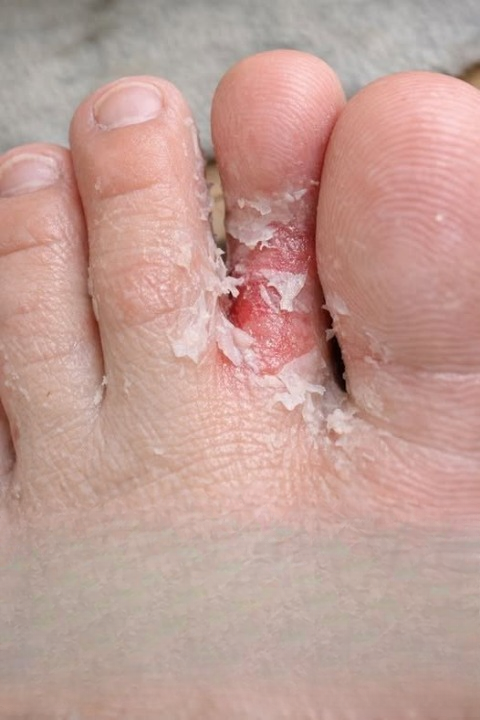
For active teenagers, sore muscles, minor scrapes, and occasional aches are often considered part of sports and physical activity. However, foot problems can sometimes be overlooked, especially when symptoms seem minor at first. A little itching between the toes or some peeling skin may not appear serious, but these signs can sometimes indicate athlete’s foot, a common fungal infection that affects millions of people each year.
Although athlete’s foot is usually not a serious condition, it can become uncomfortable if left untreated. Fortunately, understanding the causes, symptoms, treatment options, and prevention strategies can help teenagers and their families address the issue early and maintain healthy feet throughout the year.
What Is Athlete’s Foot?
Athlete’s foot, medically known as tinea pedis, is a fungal infection that affects the skin of the feet. It most commonly develops between the toes, although it can also appear on the soles, sides, or tops of the feet.
The infection is caused by fungi that thrive in warm, damp environments. These organisms are commonly found in places such as:
- Locker rooms
- Public showers
- Swimming pool areas
- Gym floors
- Shared changing rooms
- Athletic facilities
Because active teenagers often spend significant time in athletic shoes and communal sports environments, they may be more susceptible to developing the condition.
Why Active Teenagers Face Higher Risk
Sports and physical activities create ideal conditions for fungal growth. During exercise, feet often become warm and sweaty, especially when enclosed in shoes for long periods.
Several factors can increase the risk of athlete’s foot:
Excessive Sweating
Teenagers participating in sports frequently experience heavy perspiration. Moisture trapped inside shoes and socks creates an environment where fungi can flourish.
Extended Shoe Use
Athletic shoes, cleats, and training footwear may be worn for several hours at a time. Limited airflow can make it difficult for feet to remain dry.
Shared Facilities
Locker rooms and communal showers are common places where fungal organisms can spread from one person to another.
Minor Skin Damage
Small cuts, blisters, or cracks in the skin can provide entry points for fungal organisms, making infection more likely.
Common Symptoms
Athlete’s foot can vary in severity. Some individuals experience only mild irritation, while others develop more noticeable discomfort.
Common symptoms include:
Itching
Persistent itching between the toes is one of the most common signs.
Peeling or Flaking Skin
The skin may appear dry, cracked, or begin peeling, particularly between the toes.
Redness
Affected areas often become red and irritated.
Burning or Stinging Sensations
Some people report a mild burning feeling, especially after sports activities or prolonged shoe use.
Dry, Scaly Patches
The skin may develop rough or scaly areas that resemble dryness.
Discomfort While Walking
In more advanced cases, cracks and irritation can make walking or exercising uncomfortable.
Because other skin conditions can produce similar symptoms, professional evaluation may be helpful if symptoms persist or worsen.
How Athlete’s Foot Spreads
Athlete’s foot is contagious and can spread through direct or indirect contact.
Common sources of exposure include:
- Walking barefoot in public showers
- Sharing shoes or socks
- Using contaminated towels
- Contact with infected surfaces
Once the infection develops, it can spread to nearby skin if left untreated. Early treatment can help reduce this risk.
Why Moisture Matters
One of the most important factors in athlete’s foot development is moisture.
Fungi thrive when feet remain damp for extended periods. Conditions that support fungal growth include:
- Sweaty socks
- Wet footwear
- Poor ventilation
- Infrequent sock changes
Keeping feet dry is one of the most effective ways to prevent infection.
For athletes, moisture management should be considered an essential part of foot care.
Diagnosis
Healthcare professionals can often diagnose athlete’s foot through a physical examination.
During an evaluation, a provider may:
- Review symptoms
- Examine the affected skin
- Discuss recent activities
- Ask about sports participation
- Consider alternative diagnoses
In some cases, additional testing may be performed if the diagnosis is uncertain.
Conditions That Can Look Similar
Not every itchy or peeling foot is caused by athlete’s foot.
Several conditions can resemble fungal infections, including:
Eczema
Eczema can cause itching, redness, and dry skin.
Contact Dermatitis
Reactions to soaps, detergents, shoe materials, or other substances may create similar symptoms.
Dry Skin
Environmental conditions and dehydration can sometimes lead to flaking and cracking.
Other Skin Disorders
Various dermatological conditions may mimic fungal infections.
Because symptoms can overlap, a professional evaluation may be helpful when symptoms are unclear.
Treatment Options
The good news is that most cases of athlete’s foot respond well to treatment.
Over-the-Counter Antifungal Products
Many infections improve with antifungal creams, sprays, powders, or ointments available without a prescription.
These products help eliminate fungal organisms and reduce symptoms.
Prescription Medications
For severe, widespread, or persistent infections, healthcare providers may recommend stronger prescription treatments.
Consistency Is Important
One of the most common reasons athlete’s foot returns is stopping treatment too early.
Even if symptoms improve quickly, continuing treatment as directed helps ensure the infection is fully resolved.
Supporting Recovery at Home
Several simple habits can support healing:
Keep Feet Clean
Wash feet regularly using mild soap and water.
Dry Thoroughly
Pay special attention to the spaces between the toes after bathing or exercising.
Change Socks Frequently
Fresh socks help reduce moisture buildup throughout the day.
Allow Shoes to Dry
Athletic shoes should have adequate time to air out between uses.
Rotate Footwear
Alternating between different pairs of shoes can help reduce moisture retention.
Prevention Strategies
Preventing athlete’s foot often requires only a few simple habits.
Wear Clean Socks Daily
Fresh socks help keep feet dry and comfortable.
Choose Moisture-Wicking Materials
Specialized athletic socks can move sweat away from the skin more effectively than traditional cotton.
Avoid Sharing Personal Items
Shoes, socks, and towels should not be shared.
Wear Protective Footwear in Public Areas
Flip-flops or shower shoes can reduce exposure in locker rooms and communal showers.
Practice Good Hygiene
Regular foot washing and inspection can help identify problems early.
Why Early Attention Matters
Addressing symptoms early can make treatment easier and prevent the infection from spreading.
Early intervention may help reduce:
- Itching and discomfort
- Time away from sports
- Skin irritation
- Risk of recurrence
Parents and teenagers who notice persistent symptoms should consider seeking professional guidance.
Supporting Long-Term Foot Health
Healthy feet are essential for sports participation and overall comfort. Good foot care habits benefit athletes far beyond preventing fungal infections.
Important habits include:
- Keeping feet clean
- Wearing properly fitted footwear
- Managing moisture
- Checking feet regularly for irritation
- Seeking treatment when symptoms appear
These simple practices can help support performance, comfort, and overall well-being.
Conclusion
Athlete’s foot is a common fungal infection that frequently affects active teenagers, particularly those involved in sports and activities that require prolonged use of athletic footwear. Symptoms such as itching, peeling skin, redness, and burning sensations should not be ignored, especially when they persist or worsen over time.
Fortunately, athlete’s foot is generally manageable with proper treatment, good hygiene, and effective moisture control. By recognizing symptoms early and adopting preventive habits, teenagers can reduce their risk of infection and stay comfortable throughout sports seasons and everyday activities.
Healthy feet play an important role in athletic success and daily comfort. With consistent care and attention, most athletes can continue enjoying the activities they love while keeping their feet healthy, strong, and