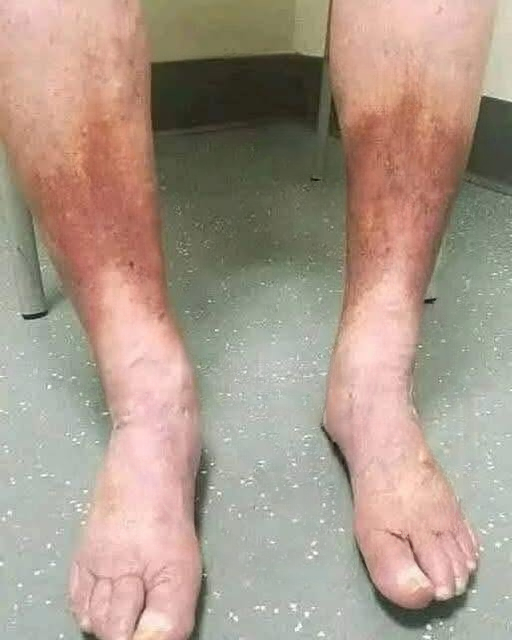
Most people experience swollen feet or ankles at some point in their lives. After a long day of standing, a lengthy flight, or even a stretch of hot weather, it’s not unusual to notice puffiness around the feet. In many cases, the swelling disappears after rest and is nothing to worry about.
However, persistent or unexplained swelling can sometimes signal that the body is trying to draw attention to an underlying issue. Understanding what causes swollen feet, recognizing warning signs, and knowing when to seek medical advice can help you protect your health and improve your comfort.
Why Do Feet Swell?
The medical term for swelling caused by fluid buildup is edema. This occurs when excess fluid becomes trapped in the body’s tissues.
Because gravity naturally pulls fluids downward, the feet, ankles, and lower legs are often the first places where swelling becomes noticeable. The body normally relies on healthy circulation, the lymphatic system, and proper kidney function to keep fluids moving efficiently. When that balance is disrupted, fluid may accumulate in the lower extremities.
Common Everyday Causes of Swollen Feet
1. Sitting or Standing for Too Long
One of the most frequent causes of swollen feet is remaining in the same position for extended periods.
When you sit or stand for hours without much movement, the muscles in your legs aren’t actively helping push blood and fluid back toward your heart. As a result, fluid can collect in your feet and ankles.
This commonly happens during:
- Long airplane flights
- Extended car rides
- Desk jobs
- Long work shifts that require standing
Fortunately, this type of swelling often improves after walking, stretching, or elevating the feet.
2. Eating Too Much Sodium
Salt plays an important role in the body, but consuming excessive amounts can lead to water retention.
Many processed foods contain surprisingly high levels of sodium, including:
- Fast food
- Packaged snacks
- Frozen meals
- Processed meats
- Restaurant foods
When sodium intake is high, the body may hold onto extra fluid, leading to swelling in the feet and ankles.
3. Hot Weather
Many people notice swollen feet during the summer months.
In warm temperatures, blood vessels naturally expand to help the body cool itself. This process can allow more fluid to move into surrounding tissues, causing mild swelling.
Staying hydrated and avoiding prolonged heat exposure can help reduce weather-related swelling.
4. Minor Injuries
Swelling is a natural part of the body’s healing process.
If you’ve recently injured your foot or ankle, inflammation may cause fluid to accumulate around the affected area.
Common injuries include:
- Sprained ankles
- Muscle strains
- Bruises
- Overuse injuries
- Minor fractures
Pain, tenderness, and difficulty moving the affected area often accompany injury-related swelling.
5. Pregnancy
Many pregnant women experience swelling, particularly during the later months of pregnancy.
Hormonal changes, increased blood volume, and pressure from the growing uterus can all affect circulation and fluid movement.
Mild swelling is often normal during pregnancy, but sudden or severe swelling should always be discussed with a healthcare professional.
Health Conditions That May Cause Swollen Feet
While temporary swelling is often harmless, ongoing edema may sometimes be linked to medical conditions that require attention.
Heart Conditions
The heart is responsible for pumping blood throughout the body. If circulation becomes less efficient, fluid may begin collecting in the legs, ankles, and feet.
Swelling that occurs regularly and is accompanied by symptoms such as fatigue or shortness of breath should be evaluated by a healthcare provider.
Kidney Problems
The kidneys help remove excess fluid and waste from the bloodstream.
When kidney function is impaired, the body may struggle to regulate fluid levels properly, resulting in swelling.
Liver Disease
The liver produces proteins that help keep fluid inside blood vessels. If liver function declines, fluid may leak into surrounding tissues and contribute to swelling.
Chronic Venous Insufficiency
Veins contain valves that help blood travel back toward the heart. Over time, these valves can weaken, allowing blood to pool in the legs.
This condition may cause:
- Swelling
- Leg discomfort
- A feeling of heaviness
- Visible varicose veins
Lymphedema
The lymphatic system helps remove excess fluid from tissues. When lymph drainage becomes impaired, persistent swelling can occur.
Lymphedema often requires specialized medical management and treatment.
Symptoms That May Accompany Swollen Feet
Swelling can vary from mild puffiness to more noticeable enlargement of the feet and ankles.
Common signs include:
- Tight or shiny skin
- Difficulty fitting into shoes
- Reduced flexibility around the ankles
- A feeling of heaviness
- Visible puffiness
- Sock marks that remain after removing footwear
In some cases, pressing a finger into the swollen area leaves a temporary indentation. This is known as pitting edema.
When Should You See a Doctor?
Although many cases improve with rest and lifestyle adjustments, certain symptoms should not be ignored.
Seek medical advice if swelling:
- Appears suddenly
- Has no obvious cause
- Continues for several days
- Becomes progressively worse
- Causes significant pain
- Occurs with redness or warmth
- Is accompanied by fever
Swelling affecting only one foot or leg should also be evaluated, especially if it develops unexpectedly.
Seek Immediate Medical Attention If You Experience:
- Difficulty breathing
- Chest pain
- Severe dizziness
- Sudden weakness
- Rapidly worsening swelling
These symptoms may indicate a serious medical condition requiring urgent care.
Ways to Reduce Mild Swelling at Home
For temporary swelling, several simple strategies may provide relief.
Elevate Your Feet
Raising your feet above heart level for short periods can help fluid move away from the lower extremities.
Stay Active
Movement improves circulation and helps prevent fluid from collecting in the legs.
Helpful activities include:
- Walking
- Stretching
- Ankle circles
- Calf raises
Wear Compression Socks
Compression garments provide gentle pressure that supports circulation and may help reduce swelling.
Stay Hydrated
Drinking enough water helps the body maintain proper fluid balance.
Reduce Sodium Intake
Limiting highly processed foods can help decrease water retention.
Maintain a Healthy Weight
A healthy weight reduces strain on the circulatory system and supports better overall blood flow.
Final Thoughts
Swollen feet are often harmless and temporary, especially when linked to prolonged sitting, standing, heat, or minor injuries. However, persistent or unexplained swelling may sometimes be a sign of an underlying health issue that deserves medical attention.
Listening to your body, staying active, eating a balanced diet, and seeking professional guidance when necessary can help keep your circulation healthy and your feet comfortable. Since your feet carry you through every day of life, paying attention to the signals they send can be an important step toward protecting your overall well-being.