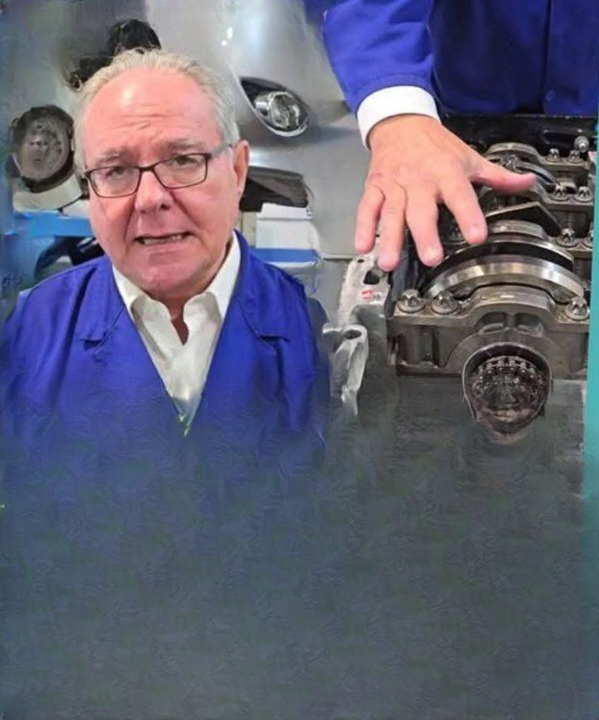
Most drivers don’t think twice about starting their car and immediately pulling out of the driveway. It feels natural, especially during busy mornings when every second counts. However, some mechanics warn that this common habit could contribute to unnecessary engine wear over time.
While modern vehicles are designed to be driven shortly after startup, experts generally agree that the first few moments after turning the key—or pressing the start button—are important for proper lubrication and engine protection.
Why the First Seconds Matter
When a vehicle sits parked for several hours, much of the engine oil drains back into the oil pan. The next time the engine starts, the oil pump must circulate lubricant throughout the engine’s internal components.
During those first few seconds, oil pressure builds and begins coating critical moving parts such as:
- Crankshaft bearings
- Connecting rod bearings
- Camshafts
- Valvetrain components
- Timing system parts
Without adequate lubrication, metal components can experience increased friction and wear. Although this process happens very quickly, repeated cold starts account for a significant portion of an engine’s lifetime wear.
The Habit Mechanics Warn About
Some automotive technicians caution against starting the engine and immediately accelerating hard or placing heavy loads on the vehicle.
According to mechanics who frequently rebuild engines, drivers who consistently start their cars and drive aggressively right away may contribute to premature wear of internal components. Bearings, in particular, can be vulnerable when oil has not yet fully circulated.
The issue is not necessarily moving the vehicle immediately but demanding high performance from a cold engine before lubrication and operating temperatures stabilize.
How Long Should You Wait?
Many mechanics recommend allowing the engine to idle for approximately 30 seconds before driving, especially after the vehicle has been sitting overnight.
This brief period gives the oil time to circulate through the lubrication system and establish normal oil pressure.
However, it’s important to note that most modern vehicle manufacturers do not recommend extended warm-ups. In fact, idling for several minutes is often unnecessary and can waste fuel.
For most modern cars, the best approach is:
- Start the engine.
- Wait a few seconds for oil pressure to stabilize.
- Drive gently for the first several minutes.
- Avoid heavy acceleration until the engine reaches normal operating temperature.
What Happens If You Drive Aggressively Immediately?
Accelerating hard right after startup can place significant stress on engine components before they have fully warmed up.
Potential consequences include:
- Increased bearing wear
- Greater friction between moving parts
- Higher stress on pistons and cylinders
- Accelerated engine aging
- Reduced long-term reliability
Cold engine oil is also thicker and may not flow as efficiently as oil that has reached operating temperature. This can further increase wear during the first few minutes of driving.
Modern Engines Are Different
It’s important to separate older advice from modern reality.
Decades ago, carbureted engines often required lengthy warm-up periods before driving. Today’s fuel-injected engines, advanced lubricants, and computerized engine management systems have dramatically reduced that need.
Most automotive experts now agree that prolonged idling is unnecessary. Instead, gentle driving is the preferred method for warming the engine efficiently.
In other words, you don’t need to sit in your driveway for five or ten minutes. What matters most is avoiding aggressive acceleration immediately after startup.
Simple Habits That Can Extend Engine Life
Protecting your engine doesn’t require complicated maintenance routines. A few simple habits can make a difference:
- Use the manufacturer-recommended oil.
- Change oil and filters on schedule.
- Start the vehicle and allow a few seconds for oil circulation.
- Drive moderately until the engine warms up.
- Avoid high RPMs during the first few minutes.
- Keep up with routine maintenance inspections.
The Bottom Line
The biggest mistake isn’t necessarily driving away immediately after starting your car—it’s demanding full performance from a cold engine before lubrication and temperatures have stabilized.
Allowing the engine a brief moment to build oil pressure and then driving gently during the warm-up period can help reduce wear on critical components. While modern engines are more durable than ever, small habits practiced every day can have a significant impact on long-term reliability and repair costs.
A few seconds of patience at startup may not seem important, but over thousands of trips, it can help keep your engine running smoothly for years to come.