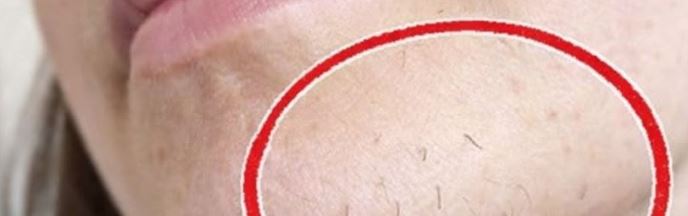
Chin hair in women is a very common and natural occurrence, although it is often surrounded by unnecessary embarrassment or concern. In reality, a small amount of facial hair is normal for most women, and the presence, thickness, or visibility can vary widely depending on genetics, hormones, age, and overall health.
Understanding why chin hair appears can help reduce worry and provide clarity about what is a normal biological variation and what may sometimes indicate an underlying hormonal change.
Why chin hair appears in women
One of the main reasons women develop chin or facial hair is due to androgens, which are hormones present in both men and women. Although women have lower levels of androgens, these hormones still play an important role in regulating body functions such as metabolism, reproductive health, and hair growth.
Hair follicles on the face are sensitive to hormonal changes. Even small shifts in hormone balance can cause fine facial hair to become more noticeable over time. This does not automatically indicate a health problem; in many cases, it is simply a natural variation in hormone sensitivity.
Genetics and family traits
Genetics play a major role in determining hair growth patterns. If women in a family tend to have more visible facial hair, it is likely that this trait will appear across generations. Ethnic background can also influence hair density, color, and distribution.
Some women naturally have darker or coarser hair on the face due to inherited traits, even when hormone levels are completely normal. In these cases, the hair is simply part of the body’s natural variation.
Hormonal changes through life stages
Hormonal fluctuations during different life stages can also contribute to chin hair becoming more noticeable. Puberty, pregnancy, postpartum changes, and menopause are all periods when hormone levels shift.
During menopause, for example, estrogen levels decrease while androgen activity may become relatively more noticeable. This can lead to the appearance of new facial hair or an increase in existing hair thickness. These changes are generally gradual and part of the body’s natural aging process.
Conditions linked to increased facial hair
In some cases, excessive or sudden growth of chin hair may be associated with hormonal conditions such as polycystic ovary syndrome (PCOS). This condition can cause an imbalance in reproductive hormones, leading to symptoms like irregular periods, acne, and increased body or facial hair.
Other less common medical conditions may also influence hair growth patterns, but these are typically accompanied by additional symptoms. It is important to remember that occasional chin hair alone is not enough to indicate a medical issue.
If someone notices a sudden or significant change in hair growth, it may be helpful to consult a healthcare professional for evaluation. However, in most cases, chin hair is harmless and part of normal body variation.
Common ways to manage chin hair
There are several safe and simple methods women use to manage facial hair based on personal preference and comfort. These methods vary in duration, cost, and skin sensitivity.
Temporary methods include shaving, threading, waxing, or using hair removal creams. Each option has its own benefits. Shaving is quick and painless but requires frequent maintenance. Threading offers precision, while waxing removes hair from the root for longer-lasting results. Hair removal creams dissolve hair at the surface but should be used carefully to avoid skin irritation.
For longer-term reduction, some people explore laser hair removal or electrolysis. These methods target hair follicles and can reduce growth over time, although multiple sessions are usually required.
Skin care and sensitivity considerations
The skin on the chin and face is sensitive, so proper care is important when removing hair. Gentle cleansing, moisturizing, and avoiding harsh products can help reduce irritation. It is also recommended to test products on a small area before full use, especially for creams or new treatments.
Sun protection is another important factor, particularly after hair removal procedures, as the skin may be more sensitive to UV exposure.
Confidence and self-image
Beyond physical management, emotional well-being plays a significant role in how women experience facial hair. Social beauty standards can sometimes create unnecessary pressure, but it is important to remember that chin hair is a normal biological trait for many women.
Confidence comes from understanding one’s body and making personal choices without shame. Some women choose to remove facial hair regularly, while others choose not to, and both decisions are valid.
When to seek medical advice
While chin hair is usually harmless, medical advice may be helpful if there are sudden changes, rapid hair growth, or additional symptoms such as irregular menstrual cycles, unexplained weight changes, or severe acne. These signs may indicate hormonal imbalance that can be evaluated and managed with professional guidance.
Final thoughts
Chin hair in women is a common and natural occurrence influenced by genetics, hormones, and life stages. In most cases, it is not a cause for concern. Understanding the reasons behind it can help reduce anxiety and support informed choices about personal grooming and health.
Ultimately, whether someone chooses to remove it or leave it as it is, the most important factor is comfort and confidence in one’s own body.