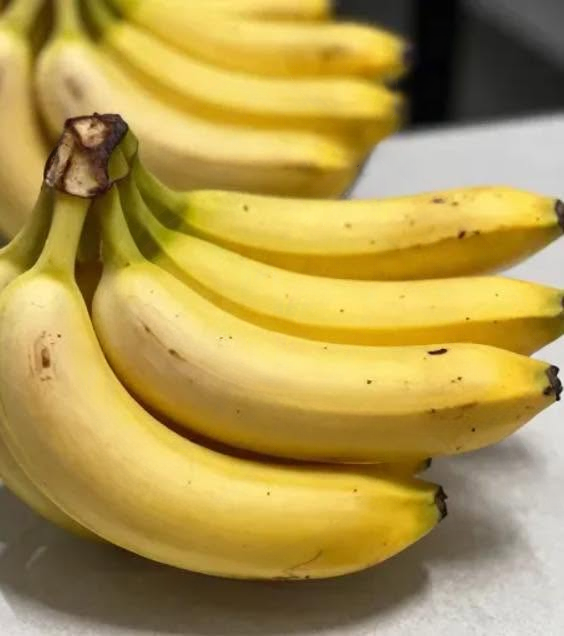
Bananas are one of the most commonly eaten fruits in the world. They are inexpensive, widely available, easy to carry, and naturally sweet, making them a popular choice for breakfast, snacks, or post-workout energy. But what actually happens if you eat bananas every day? The answer depends on your overall diet, health condition, and portion size, but in general, bananas offer a range of nutritional benefits when consumed regularly.
Bananas are best known for their potassium content. Potassium is an essential mineral that plays an important role in maintaining healthy blood pressure, supporting muscle function, and balancing fluids in the body. When included as part of a balanced diet, potassium-rich foods like bananas may help support cardiovascular health. For people who do not get enough fruits and vegetables, adding a banana daily can be a simple way to improve mineral intake.
Another key nutrient in bananas is vitamin B6. This vitamin supports brain development, helps the body produce energy from food, and contributes to the formation of neurotransmitters that influence mood and sleep. While bananas alone are not a cure or treatment for mood-related conditions, they do contribute to overall nutrient intake that supports normal nervous system function.
Bananas also contain dietary fiber, especially pectin, which can support digestive health. Fiber helps regulate bowel movements and can promote a feeling of fullness after eating. For some people, this can be helpful in managing appetite and maintaining steady energy levels throughout the day. However, the effect depends on the ripeness of the banana—slightly green bananas tend to have more resistant starch, while very ripe bananas are easier to digest but slightly higher in natural sugars.
In terms of energy, bananas are a convenient source of natural carbohydrates. This is one reason they are often consumed before or after exercise. The natural sugars in bananas—fructose, glucose, and sucrose—are combined with fiber, which helps slow digestion compared to processed sugary snacks. This makes bananas a steady source of energy rather than a rapid spike followed by a crash.
Eating bananas daily may also support heart health indirectly due to their combination of potassium, fiber, and low sodium content. Diets that include a variety of fruits and vegetables are generally associated with better cardiovascular outcomes. However, it is important to remember that no single food is responsible for health outcomes on its own. Bananas are beneficial when they are part of a balanced diet that includes other nutrients.
Despite their benefits, bananas are not ideal in unlimited quantities for everyone. They contain natural sugars and carbohydrates, which means people managing blood sugar levels, such as those with diabetes, may need to be mindful of portion size and ripeness. Eating bananas alongside protein or healthy fats can help moderate blood sugar response.
Another consideration is overall dietary balance. Relying too heavily on any single fruit can limit nutritional variety. While bananas provide potassium, vitamin B6, and fiber, they do not contain significant amounts of other essential nutrients like vitamin C in high quantities, calcium, or omega-3 fatty acids. A healthy diet requires a range of different foods to cover all nutritional needs.
Some people also worry about weight gain when eating bananas daily. In reality, bananas are moderately calorie-dense for a fruit but are not likely to cause weight gain when eaten in reasonable portions. Weight changes depend on overall calorie intake and lifestyle rather than a single food item. In fact, because bananas can increase fullness, they may help some individuals manage their appetite more effectively.
For athletes and active individuals, bananas are often considered a practical snack. They are easy to digest, portable, and provide quick energy before or after physical activity. This is one reason they are commonly seen in sports settings or included in recovery meals.
In summary, eating a banana every day is generally considered safe and beneficial for most people. It can contribute to better potassium intake, support digestion, provide natural energy, and complement a balanced diet. However, like all foods, it works best when consumed in moderation and as part of a varied nutritional plan.
Rather than thinking of bananas as a “superfood” or a problem food, it is more accurate to see them as a simple, healthy option that fits easily into everyday eating habits. When combined with other fruits, vegetables, proteins, and whole grains, they can be part of a well-rounded diet that supports long-term health and energy.