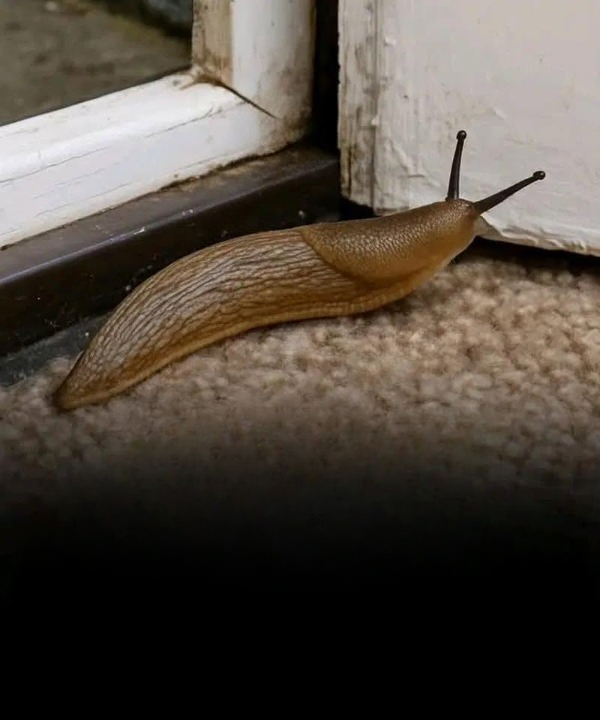
Seeing a slug inside or around your home can feel unusual, even a little unsettling. These slow-moving creatures usually prefer damp, dark environments, so when they appear in kitchens, bathrooms, or entryways, many people immediately wonder if it means something “special” or symbolic.
In reality, a slug’s visit is far more practical than mysterious. It usually points to environmental conditions around your home rather than any deeper meaning. Still, understanding why slugs appear—and what they can tell you about your surroundings—can help you prevent them from coming inside in the future.
What Slugs Actually Are
Slugs are soft-bodied mollusks closely related to snails, but without a visible shell. They thrive in moist environments and are most active at night or during damp weather.
Their main needs are simple:
- Moisture
- Darkness or shade
- Organic material to feed on
Because of this, they are commonly found in gardens, under rocks, near compost piles, and in any area where humidity stays high.
Why Slugs Enter Homes
Slugs do not intentionally “invade” homes. Instead, they wander in by accident while searching for moisture, food, or shelter.
Some of the most common reasons include:
1. Excess Moisture Around the House
If your home has damp walls, leaky pipes, or poorly ventilated areas, slugs may be attracted to the humidity.
Bathrooms, basements, and laundry rooms are especially common entry points.
2. Easy Entry Points
Slugs can squeeze through very small gaps. Cracks under doors, gaps around pipes, or poorly sealed windows can all provide access.
Even a thin opening is enough for them to enter.
3. Food Sources
Although slugs are not interested in human food in the same way insects are, they are attracted to organic residue such as:
- Mold
- Decaying plant matter
- Pet food left out overnight
- Damp cardboard or paper
If these are present near entry points, slugs may follow the scent indoors.
4. Weather Conditions
Rainy weather often leads to an increase in slug activity. Heavy moisture outside can push them to explore new areas, including homes and garages.
Are Slugs Dangerous?
One of the most common concerns is whether slugs pose any risk.
In general, slugs are not dangerous to humans. They do not bite, sting, or spread harmful toxins through contact.
However, there are a few important considerations:
- Slugs can carry bacteria picked up from soil
- They may leave slimy trails that are unpleasant
- In rare cases, improper handling can expose people to parasites
For this reason, it is always recommended to wash your hands after touching them or avoid handling them directly altogether.
Symbolic Interpretations in Different Cultures
While science explains slug appearances through environmental factors, some cultures and traditions attach symbolic meanings to them.
In folklore, slugs are sometimes associated with:
- Slow but steady progress
- Emotional sensitivity
- The need to slow down in life
- Hidden persistence
In some interpretations, a slug appearing in a home is seen as a reminder to pay attention to neglected areas of life—whether emotional, physical, or practical.
However, these interpretations are symbolic and not based on scientific evidence.
What a Slug Visit Usually Means Practically
In most cases, finding a slug in your home simply means:
- There is excess moisture somewhere nearby
- Your home may have small entry gaps
- Outdoor conditions are pushing them inside
It is less about meaning and more about maintenance conditions.
Think of it as a natural indicator that your home environment may need a closer look.
How to Prevent Slugs From Entering Your Home
If slugs are becoming a recurring issue, there are several simple ways to reduce their presence:
1. Reduce Moisture
Fix leaks, improve ventilation, and use dehumidifiers in damp areas.
2. Seal Entry Points
Check doors, windows, and foundation cracks. Even small gaps should be sealed.
3. Keep Outdoor Areas Clean
Remove piles of leaves, damp wood, or clutter near your home’s exterior walls.
4. Limit Nighttime Outdoor Lighting
Lights can attract insects, which in turn attract slugs searching for food sources.
5. Maintain Clean Indoor Spaces
Avoid leaving damp materials like cardboard or cloth on floors for long periods.
What to Do If You Find One Indoors
If you encounter a slug inside your home, the best approach is simple:
- Gently remove it using a piece of paper or gloves
- Place it outside in a damp, shaded area
- Clean the trail with soap and water
- Check nearby areas for moisture or entry points
There is no need for panic or harsh chemicals in most situations.
Final Thoughts
A slug appearing in your home is not a sign of something mysterious or symbolic in any literal sense. Instead, it is usually a small reminder from nature that your environment has become inviting to moisture-loving creatures.
While folklore may give slugs deeper meaning, the practical explanation is simple: they follow dampness, shelter, and opportunity.
By understanding why they appear and taking basic preventive steps, you can keep your home dry, clean, and free of unwanted visitors—no matter how slow-moving they may be.