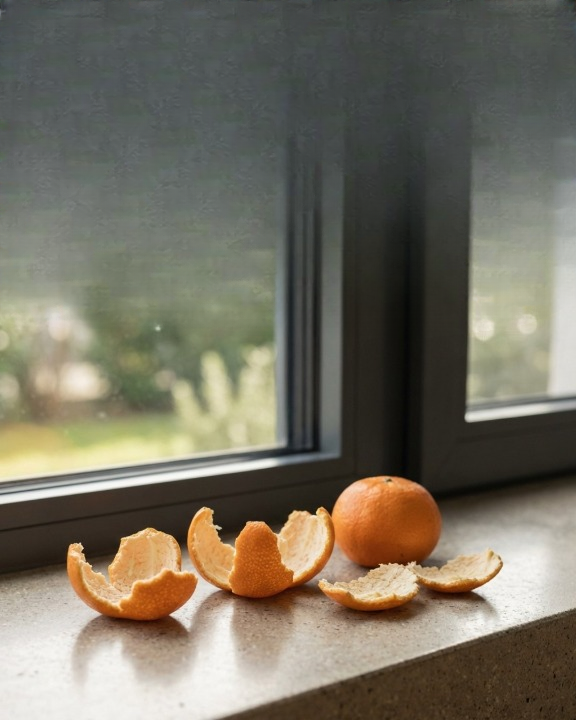
Tangerines are one of those small pleasures that feel both refreshing and comforting. Easy to peel, naturally sweet, and packed with bright citrus flavor, they’re a favorite snack in many households. But once the juicy segments are gone, most people toss the peels straight into the trash without a second thought.
What if those fragrant peels could do more?
Instead of discarding them, you can repurpose tangerine peels in simple, practical ways around your home. From freshening indoor air to adding a natural scent to drawers and even enhancing certain recipes, tangerine peels are surprisingly versatile.
If you enjoy reducing waste, using natural alternatives to synthetic fragrances, or simply finding creative household hacks, this guide will show you how to give those citrus peels a second life.
Why Tangerine Peels Are So Useful
Before diving into practical uses, it helps to understand why citrus peels are so effective.
Tangerine peels contain:
-
Natural essential oils
-
Aromatic compounds such as limonene
-
Mild cleansing properties
-
A pleasant, uplifting scent
When exposed to air—or gently warmed—the oils inside the peel release their fragrance. That bright citrus aroma doesn’t just smell pleasant; it can help neutralize lingering odors and make spaces feel fresher.
Unlike artificial air fresheners, citrus peels offer a subtle, natural scent without heavy perfumes.
A Natural Way to Refresh Your Windowsills
One of the simplest uses for tangerine peels is placing them on windowsills.
Why windowsills?
-
They often receive sunlight
-
They allow airflow from slightly opened windows
-
They act as natural scent-diffusion points
When you set fresh tangerine peels on a windowsill, gentle air movement helps carry the citrus aroma throughout the room. If the sun warms the peel slightly, it may enhance the release of natural oils.
How to Do It
-
After peeling your tangerine, separate the peel into a few larger pieces.
-
Lay them flat on a clean windowsill.
-
Replace them every 1–2 days as they dry out.
You’ll notice a light citrus scent that feels clean and refreshing.
Helping Reduce Lingering Household Odors
Every home occasionally experiences lingering smells—from cooking, closed windows, pets, or simply everyday life.
While good ventilation is always important, citrus peels can help refresh the air naturally.
Try This:
-
Place fresh peels in small bowls around the room.
-
Set them near entryways or kitchens.
-
Replace them regularly for best results.
Unlike heavily scented sprays, this method provides a gentle fragrance that doesn’t overwhelm the space.
Boosting the Aroma With Gentle Warmth
Heat helps release the essential oils inside citrus peels more quickly.
If you want a stronger burst of fragrance, you can:
-
Place peels near (not directly on) a radiator
-
Set them on a warm windowsill
-
Add them to a pot of gently simmering water
Simmer Pot Method
Add the following to a small pot of water:
-
Tangerine peels
-
A cinnamon stick (optional)
-
A few cloves (optional)
Let it simmer on low heat. The steam will carry a warm, citrusy scent throughout your home.
Always monitor simmering water to ensure safety.
Freshening Up the Kitchen Naturally
Cooking aromas—especially from garlic, onions, or fried foods—can linger longer than expected.
Tangerine peels can help refresh the kitchen in simple ways.
Oven Freshening Tip
After cooking:
-
Place a few peels on a baking sheet.
-
Put them in a warm (turned-off) oven.
-
Let residual heat gently release their aroma.
The citrus scent can help balance stronger cooking smells.
A Natural Drawer and Closet Refresher
Closets and drawers sometimes develop stale odors, particularly in humid climates.
Instead of using synthetic sachets, try dried tangerine peels.
How to Prepare Dried Peels
-
Lay peels flat on a tray.
-
Allow them to air dry for several days.
– OR – -
Dry them in a low-temperature oven (around 170–200°F / 75–95°C) for about 30–60 minutes.
Once dried, place them in:
-
Small breathable fabric bags
-
Open containers
-
Dresser drawers
-
Linen closets
The scent will be lighter than fresh peels but still pleasantly citrusy.
Adding a Subtle Citrus Note to Tea
Tangerine peels can also be used in the kitchen in creative ways.
If properly cleaned and dried, citrus peels can enhance certain beverages.
Citrus-Infused Tea
-
Wash the peel thoroughly before drying.
-
Allow it to dry completely.
-
Add a small piece to hot tea while steeping.
It pairs especially well with:
-
Black tea
-
Green tea
-
Herbal blends
The result is a gentle citrus aroma and flavor without artificial additives.
Making a Simple Citrus Cleaning Spray
The natural oils in citrus peels can be infused into vinegar to create a lightly scented cleaning solution.
How to Make It
-
Place tangerine peels in a glass jar.
-
Cover with white vinegar.
-
Seal and let sit for 1–2 weeks.
-
Strain the liquid and dilute with equal parts water.
This solution can be used on many hard surfaces (avoid delicate materials like marble or granite).
It leaves behind a mild citrus scent while helping cut through grease.
Composting as a Sustainable Option
If you’re unable to reuse your peels around the house, composting is another environmentally friendly choice.
Tangerine peels are biodegradable and can:
-
Add organic matter to compost
-
Contribute nutrients to soil
-
Reduce food waste
Chop them into smaller pieces to speed up decomposition.
Natural Potpourri Ingredient
Citrus peels work beautifully in homemade potpourri blends.
Combine dried tangerine peels with:
-
Cinnamon sticks
-
Star anise
-
Dried apple slices
-
Lavender buds
Display the mixture in a decorative bowl for a seasonal centerpiece that smells wonderful.
Gently Freshening the Refrigerator
If your refrigerator has a mild odor, placing a small dish of fresh citrus peels inside can help.
For stronger odors, baking soda remains highly effective—but citrus peels can provide a lighter, fresher scent in addition.
Replace peels every couple of days to prevent spoilage.
Enhancing Homemade Candles
If you enjoy DIY crafts, dried tangerine peels can be incorporated into homemade candles.
When embedded carefully into wax (away from direct flame exposure), they add decorative appeal and subtle fragrance.
Always follow candle safety guidelines when crafting.
Using Peels in Baking
Finely grated citrus zest can elevate baked goods.
Before discarding the peel:
-
Wash it thoroughly
-
Zest the outer orange layer
-
Freeze the zest for later use
It can add flavor to:
-
Muffins
-
Cakes
-
Pancakes
-
Salad dressings
Avoid the white pith if you want to prevent bitterness.
Creating Natural Fire Starters
For those who use fireplaces, dried citrus peels can act as natural fire starters.
Their oils are flammable and can help ignite kindling more easily.
Make sure peels are completely dry before using them this way.
Reducing Food Waste Creatively
Repurposing tangerine peels is part of a broader movement toward minimizing waste.
Instead of viewing peels as scraps, consider them a resource.
Simple changes—like drying peels for future use—can:
-
Stretch household resources
-
Reduce trash output
-
Encourage sustainable habits
Safety Considerations
While tangerine peels are versatile, keep these tips in mind:
-
Always wash fruit before repurposing peels.
-
Replace fresh peels regularly to prevent mold.
-
Avoid placing peels directly on delicate surfaces.
-
Keep peels out of reach of pets if they tend to chew unfamiliar items.
Moderation and cleanliness ensure the best results.
Why Natural Fragrance Appeals to Many People
Many individuals prefer natural scents over synthetic air fresheners.
Benefits of natural citrus aroma include:
-
Light, clean fragrance
-
No heavy artificial perfumes
-
No aerosol sprays
-
Reduced chemical exposure
While citrus peels are not a replacement for proper cleaning or ventilation, they can complement a fresh home environment.
A Simple Habit With Surprising Benefits
In daily life, it’s easy to overlook small opportunities to reuse everyday items.
Tangerine peels are a perfect example.
With minimal effort, they can:
-
Freshen indoor spaces
-
Add aroma to tea
-
Enhance homemade cleaners
-
Contribute to compost
-
Reduce waste
These small changes can add up over time.
Final Thoughts
The next time you enjoy a tangerine, pause before throwing away the peel.
Those bright, fragrant pieces hold more potential than you might expect.
Whether you place them on a sunny windowsill, dry them for drawers, simmer them for a cozy scent, or incorporate them into tea or cleaning solutions, tangerine peels offer simple, natural ways to refresh your home.
They may seem like scraps—but with a little creativity, they become practical tools for a cleaner, more aromatic living space.
Sometimes the best household solutions are the ones hiding in plain sight.
And in this case, they’re bright orange, wonderfully fragrant, and probably already in your kitchen.