The night before a big event is supposed to be filled with excitement, anticipation, and last-minute preparations. But for one parent, that excitement quickly turned into concern when their daughter began complaining about a painful spot on the bottom of her foot just hours before an important dance recital.
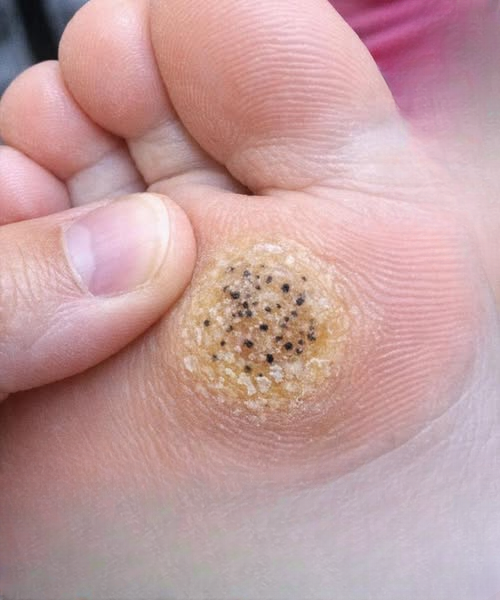
A closer look revealed a rough, hardened patch of skin with tiny black dots in the center. Walking was uncomfortable. Dancing seemed almost impossible. With the recital less than 24 hours away, the question became urgent: what can be done quickly to relieve the pain?
While several conditions can cause foot discomfort, a spot like this is often a plantar wart—a common but sometimes painful foot condition that affects many children and active individuals.
What Is a Plantar Wart?
A plantar wart is a small growth that develops on the sole of the foot. It is caused by certain strains of the human papillomavirus (HPV), which enters the skin through tiny cuts or weakened areas.
Children and teenagers are especially susceptible because they often spend time barefoot in places such as:
- Dance studios
- Locker rooms
- Swimming pools
- Gym showers
Unlike warts that appear elsewhere on the body, plantar warts grow on weight-bearing areas of the foot. Pressure from standing and walking can push them inward, making them surprisingly painful.
One of the easiest ways to recognize a plantar wart is the presence of tiny black dots within the lesion. These dots are actually small clotted blood vessels and are a common feature of the condition.
Why Does It Hurt So Much?
Many parents are surprised that such a small spot can cause significant discomfort.
The reason is simple: every step places pressure directly on the affected area.
For dancers, athletes, and active children, the constant impact can make the wart feel like they’re walking on a pebble or sharp object. Jumping, turning, and balancing can become especially uncomfortable.
Could It Be Something Else?
Not every painful spot on the foot is a wart.
Other possibilities include:
A Splinter
A splinter usually has a visible entry point and causes sharp, localized pain. Unlike a plantar wart, it does not typically contain multiple black dots.
A Callus
Calluses are thickened areas of skin caused by repeated friction. While they may feel rough, they are generally less painful and lack the characteristic black specks seen in plantar warts.
A Blister
Blisters contain fluid and are usually caused by friction from shoes or activity. They tend to look smooth rather than rough and hardened.
If the spot appears grainy, rough, and contains black dots, a plantar wart becomes a strong possibility.
Quick Relief Before the Recital
While completely removing a plantar wart takes time, there are several steps that may help reduce discomfort quickly.
Soak the Foot
A warm foot soak for 10–15 minutes can soften the surrounding skin and temporarily reduce irritation.
After soaking, gently dry the foot thoroughly.
Cushion the Area
Reducing pressure is often the fastest way to improve comfort.
Many pharmacies sell cushioning pads designed specifically for plantar warts. Donut-shaped pads work particularly well because they surround the wart without pressing directly on it.
This allows body weight to be distributed around the painful area rather than directly onto it.
Use Supportive Insoles
If your daughter will be wearing dance shoes, a soft gel insole or extra padding may help absorb some of the impact during movement.
Even a small amount of cushioning can make a noticeable difference.
Consider Pain Relief
If needed, an age-appropriate over-the-counter pain reliever may help reduce discomfort and inflammation.
Always follow dosing instructions carefully and consult a healthcare professional if you have questions.
What Not to Do
When time is short, it can be tempting to try aggressive solutions.
However, some approaches can make the situation worse.
Avoid:
- Cutting the wart
- Picking at the skin
- Scraping it aggressively
- Attempting homemade freezing methods
- Burning or removing it yourself
These methods can increase pain, cause bleeding, and raise the risk of infection.
The goal before the recital should be comfort—not immediate removal.
Over-the-Counter Treatments
Many wart treatments contain salicylic acid, which gradually breaks down the thickened skin over time.
These products can be effective, but they generally require consistent use over several weeks.
In other words, they are helpful for long-term treatment but unlikely to provide overnight results.
For immediate needs, cushioning and pressure relief are often more beneficial than wart-removal products.
When to Seek Medical Attention
Most plantar warts are not dangerous, but certain symptoms deserve prompt evaluation.
Contact a healthcare professional if your daughter experiences:
- Severe pain
- Inability to walk normally
- Redness or swelling around the area
- Drainage or pus
- Fever
- Rapid worsening of symptoms
A doctor can confirm the diagnosis and recommend appropriate treatment options.
Supporting Your Child Emotionally
Physical discomfort is only part of the challenge.
For many children, the fear of missing an important event can feel even worse than the pain itself.
Your daughter may be worried about disappointing her teammates, forgetting her routine, or standing out from the group.
Reassure her that her health comes first.
Encourage her to focus on doing her best rather than performing perfectly. Let her know it’s okay to take breaks or modify activity if necessary.
Sometimes, knowing that a parent understands and supports them can reduce stress more than any medical treatment.
Looking Beyond Tomorrow
Even if the recital goes well, the wart will likely require continued attention afterward.
Fortunately, plantar warts are very common and usually treatable. With patience, proper care, and sometimes medical treatment, they often resolve successfully.
The key is not to ignore persistent pain.
Early treatment can prevent the wart from growing larger or spreading to other areas of the foot.
Final Thoughts
A painful spot on your child’s foot the day before a major dance recital can feel like a crisis. Fortunately, many cases turn out to be plantar warts—a common condition that, while uncomfortable, can often be managed effectively.
By focusing on pain relief, cushioning, and supportive care, you may be able to help your daughter participate more comfortably while planning longer-term treatment afterward.
Most importantly, remember that your reassurance and support can help her feel confident, capable, and ready to face the challenge—whether she’s dancing across the stage or simply taking the next step forward.
This article is for informational purposes only and is not a substitute for professional medical advice, diagnosis, or treatment. If symptoms are severe, worsening, or concerning, consult a qualified healthcare professional.