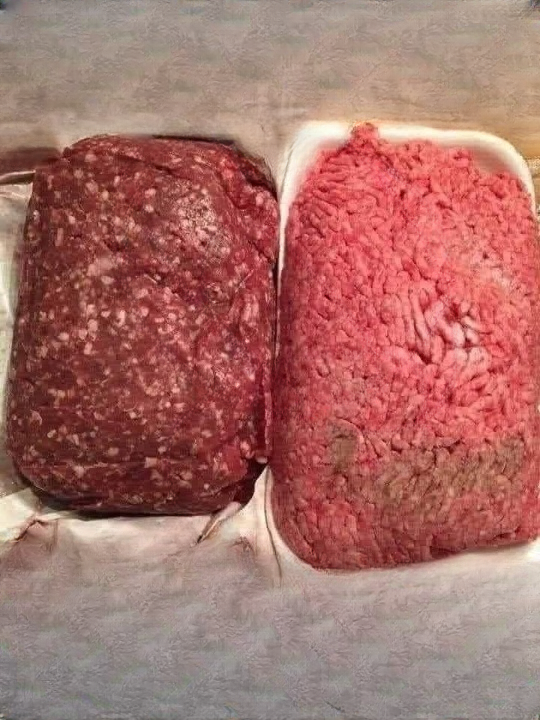
When you walk through a supermarket aisle and pick up a neatly packaged tray of chicken labeled “farm-fresh,” “natural,” or even “free-range,” it’s easy to feel reassured. The branding is intentional—warm colors, rustic imagery, and phrases designed to suggest open fields, healthy animals, and traditional farming methods.
But behind that comforting language is a food system that looks very different from the story printed on the label.
The modern poultry industry is not built around the romantic idea of small farms and roaming chickens. It is built around efficiency, scale, and speed. And while it has made chicken one of the most affordable proteins in the world, it has also created a system that raises important questions about animal welfare, environmental impact, and how much consumers truly understand about what they are eating.
What “Farm-Fresh” Really Means
The phrase “farm-fresh” does not have a strict legal definition in many regions. Instead, it is often a marketing term used to suggest freshness and quality without guaranteeing specific farming practices.
In reality, much of the chicken sold in large supermarkets comes from industrial-scale operations rather than traditional farms. These facilities are designed to maximize output while minimizing cost, often housing thousands of birds in controlled indoor environments.
The result is a system where appearance and branding do a lot of the work in shaping consumer perception—sometimes more than the actual farming conditions themselves.
A System Built for Speed
Modern chicken production is centered around rapid growth. Through selective breeding and optimized feeding programs, chickens today reach market weight in a fraction of the time it once took decades ago.
This efficiency has clear economic benefits. It keeps prices low and ensures a steady supply of meat for global demand.
However, this accelerated growth can also place significant strain on the animals’ bodies. In some production systems, chickens grow so quickly that their skeletal and muscular development struggles to keep pace. This can lead to mobility issues and other health challenges within flocks.
From an industry perspective, the focus is not on individual animal longevity but on consistent production cycles and output targets.
Inside Industrial Poultry Housing
One of the most misunderstood aspects of chicken production is the environment in which most birds are raised.
While packaging imagery may suggest open barns or pasture fields, many chickens are actually raised in large enclosed structures designed for climate control and efficiency. These spaces allow producers to maintain consistent temperatures, lighting schedules, and feeding routines.
However, the trade-off is limited space per bird and minimal exposure to natural environments. The emphasis is on controlled conditions that support rapid growth and biosecurity rather than traditional outdoor farming.
Because large numbers of animals are housed together, disease management becomes a priority. This has historically led to the use of preventative health measures in some regions, although regulations and practices vary widely across countries.
Why “Cheap Chicken” Exists
Chicken has become one of the most affordable meats globally due to industrial-scale efficiency.
Automation, centralized processing facilities, and optimized supply chains all contribute to lowering production costs. At the same time, consumer demand for low prices reinforces the system.
This creates a cycle: high demand encourages high-volume production, which keeps prices low, which in turn sustains demand.
For many families, inexpensive chicken is not a luxury—it is a necessity. That reality is an important part of the conversation and often gets overlooked in simplified critiques of the system.
The Gap Between Perception and Reality
Marketing plays a powerful role in shaping how food is perceived.
Words like “natural,” “farm-raised,” and “wholesome” evoke emotional images of small farms and ethical treatment. But without consistent, transparent labeling standards, these terms can be interpreted in many different ways.
As a result, there is often a gap between consumer expectations and actual production methods.
This does not necessarily mean that all chicken production is the same, but it does highlight how difficult it can be for shoppers to understand the conditions behind the products they buy.
Environmental and Systemic Considerations
Beyond animal welfare, poultry production also has environmental implications.
Large-scale farming systems require significant resource inputs, including feed production, water use, and energy for processing and transportation. Waste management is also a major consideration, particularly in regions with high concentrations of livestock operations.
These factors do not make chicken inherently “bad,” but they do illustrate that food production is part of a larger ecological system with trade-offs that extend beyond the grocery store shelf.
How Consumers Navigate the System
For consumers, navigating these realities can feel overwhelming. Price, accessibility, ethics, and nutrition all compete in everyday purchasing decisions.
Some people choose to look for third-party certifications that indicate higher welfare standards. Others prioritize local farms or smaller producers when possible. Many continue to buy conventional chicken simply because it is affordable and widely available.
There is no single solution that fits everyone. Instead, consumer awareness often leads to gradual shifts in purchasing habits over time, depending on values and resources.
A More Informed Way to Look at Labels
Understanding food labels is less about fear and more about clarity.
“Farm-fresh” does not automatically guarantee traditional farming methods. “Natural” does not always describe production conditions. And even “free-range” can vary significantly depending on regional regulations.
The key is not to assume that packaging tells the full story, but to recognize that it is only one part of a much larger system.
Conclusion: Looking Beyond the Packaging
The chicken in your shopping cart represents more than a product—it represents an entire industrial system shaped by economics, demand, regulation, and consumer expectations.
While “farm-fresh” packaging may suggest simplicity, the reality is far more complex. It involves trade-offs between affordability, scale, ethics, and sustainability.
Becoming aware of these layers doesn’t necessarily change what ends up on your plate overnight. But it does change how you see it.
And sometimes, that awareness is the first step toward more intentional choices—whether that means changing what you buy, how often you buy it, or simply understanding the system behind it a little more clearly.