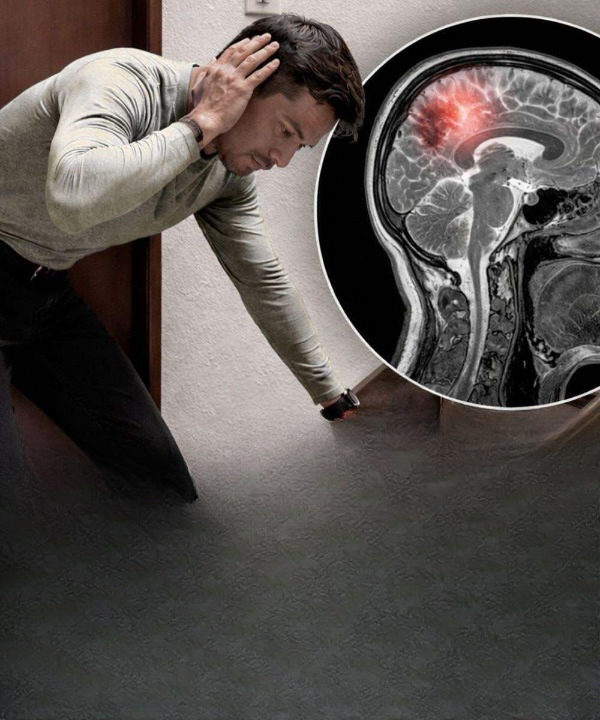
An aneurysm is often called a “silent killer” for a reason. It can develop slowly over many years without causing any noticeable symptoms, quietly weakening a blood vessel until a medical emergency occurs. By the time many people realize something is wrong, the situation may already be life-threatening.
Although aneurysms can affect anyone, men—particularly those over the age of 50—face a higher risk. Understanding the warning signs, risk factors, and importance of early detection could make the difference between timely treatment and a devastating outcome.
What Is an Aneurysm?
An aneurysm occurs when a section of a blood vessel wall becomes weakened and begins to bulge outward. As pressure from blood flow continues, the weakened area may gradually enlarge, creating a balloon-like swelling.
The greatest danger comes when the aneurysm ruptures, causing internal bleeding that can quickly become fatal without immediate medical care.
Aneurysms can develop in various parts of the body, but the most common and dangerous locations include:
- The brain (cerebral aneurysm)
- The chest (thoracic aortic aneurysm)
- The abdomen (abdominal aortic aneurysm)
Because symptoms often remain absent until the aneurysm grows large or begins leaking, awareness is essential.
The Headache That Should Never Be Ignored
One of the most serious warning signs of a brain aneurysm is a sudden, severe headache.
Survivors often describe it as:
- The worst headache of their lives
- An explosive pain that appears without warning
- A headache unlike any they have experienced before
This type of pain may indicate that an aneurysm is leaking or has ruptured.
Unlike a typical migraine or tension headache, the pain often reaches maximum intensity within seconds or minutes.
A sudden and unusually severe headache should always be treated as a medical emergency.
Changes in Vision Can Be an Early Clue
Vision problems may develop when an aneurysm presses against nearby nerves in the brain.
Symptoms can include:
- Blurred vision
- Double vision
- Sensitivity to light
- Partial vision loss
- Pain behind the eye
- Drooping eyelid
- Changes in pupil size
While these symptoms can have many causes, unexplained vision changes should never be ignored, especially when accompanied by headaches or neurological symptoms.
Neurological Symptoms That Demand Immediate Attention
As an aneurysm enlarges, it may begin affecting nearby brain tissue or nerves.
Potential warning signs include:
- Numbness on one side of the face or body
- Sudden weakness in an arm or leg
- Difficulty speaking
- Trouble understanding speech
- Confusion
- Memory problems
- Loss of coordination
- Balance difficulties
These symptoms often resemble those of a stroke, and both conditions require urgent medical evaluation.
When it comes to neurological symptoms, waiting to see if they improve can be dangerous.
Pain Beyond the Head
Many people associate aneurysms exclusively with headaches, but symptoms can appear elsewhere depending on the location of the affected blood vessel.
Some individuals experience:
- Neck pain
- Shoulder pain
- Upper back pain
- Neck stiffness
- Nausea
- Vomiting
These symptoms may occur when an aneurysm irritates tissues surrounding the brain or nearby structures.
Signs of an Aortic Aneurysm
Not all aneurysms occur in the brain.
Aortic aneurysms affect the body’s largest artery and may develop in either the chest or abdomen.
Thoracic Aortic Aneurysm Symptoms
When an aneurysm develops in the chest, symptoms may include:
- Chest pain
- Upper back pain
- Hoarseness
- Persistent coughing
- Difficulty swallowing
- Shortness of breath
Because these symptoms can mimic other conditions, diagnosis is often delayed.
Abdominal Aortic Aneurysm Symptoms
Aneurysms in the abdomen may cause:
- Deep abdominal pain
- Lower back pain
- Side pain
- A noticeable pulsing sensation in the abdomen
Some people describe feeling a heartbeat-like throbbing in their stomach area.
These symptoms should be evaluated promptly, especially in older adults with known risk factors.
When an Aneurysm Ruptures
A ruptured aneurysm is a life-threatening emergency.
Symptoms may include:
- Sudden, intense pain
- Rapid heartbeat
- Severe dizziness
- Fainting
- Confusion
- Loss of consciousness
- Signs of shock
- A dangerous drop in blood pressure
Without immediate treatment, survival becomes significantly less likely.
Emergency medical care should be sought immediately if rupture is suspected.
Who Is Most at Risk?
Several factors increase the likelihood of developing an aneurysm.
Higher-risk groups include:
- Men over 50
- Current or former smokers
- Individuals with high blood pressure
- People with high cholesterol
- Those with cardiovascular disease
- Individuals who consume excessive alcohol
- People with obesity
- Those with a family history of aneurysms
Genetic factors can also play a role, making family medical history an important consideration.
The Importance of Screening
Because aneurysms often develop without symptoms, routine medical evaluations can be lifesaving.
Doctors may recommend screening for individuals with significant risk factors, particularly:
- Men over age 65 who have smoked
- Individuals with a strong family history of aneurysms
- Patients with certain inherited vascular disorders
Modern imaging techniques—including CT scans, MRI scans, ultrasounds, and angiograms—allow physicians to detect aneurysms long before they become emergencies.
Can Aneurysms Be Treated?
Yes.
Treatment depends on:
- The aneurysm’s size
- Its location
- Growth rate
- Overall risk of rupture
Small aneurysms may simply be monitored through regular imaging while patients work to control blood pressure and improve cardiovascular health.
Larger or rapidly growing aneurysms may require surgical repair or minimally invasive procedures designed to reinforce the weakened blood vessel.
Advances in medical technology have dramatically improved outcomes for many patients.
Protecting Your Long-Term Health
While not all aneurysms can be prevented, certain habits can reduce risk:
- Maintain healthy blood pressure
- Avoid smoking
- Exercise regularly
- Eat a heart-healthy diet
- Control cholesterol levels
- Limit excessive alcohol consumption
- Manage chronic medical conditions
These lifestyle choices help protect blood vessels and reduce strain on artery walls over time.
Final Thoughts
Aneurysms are among the most dangerous medical conditions because they often remain hidden until a crisis occurs. Yet the body sometimes provides warning signs that should never be ignored.
Sudden severe headaches, unexplained vision changes, numbness, weakness, chest pain, abdominal discomfort, or symptoms resembling a stroke all deserve immediate medical attention.
Early detection can save lives.
The most important lesson is simple: if something feels dramatically wrong or unusually severe, do not assume it will pass on its own. Acting quickly may provide the opportunity to identify an aneurysm before it becomes a life-threatening emergency.