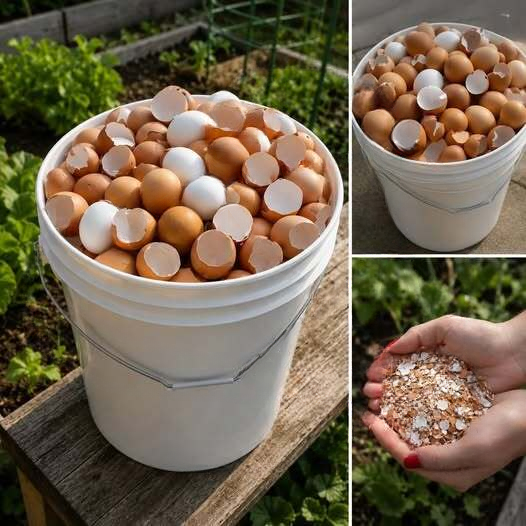
For most households, eggshells are nothing more than kitchen waste. They’re cracked open for breakfast, baking, or cooking, and then quickly discarded without a second thought. The shells feel fragile, disposable, and unimportant—something to be thrown away without hesitation.
But in the world of gardening and sustainable living, these same shells are quietly gaining a reputation as a surprisingly useful natural resource. What looks like waste in the kitchen can become a slow-release soil enhancer, a compost booster, and even a small tool in natural pest management.
While eggshells are not a miracle solution for plant health, they offer several practical benefits when used correctly and consistently as part of a broader gardening routine.
A Natural Source of Calcium
Eggshells are composed primarily of calcium carbonate, a compound that contains calcium—an essential nutrient for plant development. Calcium plays a key role in strengthening cell walls, supporting root growth, and helping plants maintain structural integrity.
As eggshells break down in soil, they release calcium gradually. This slow decomposition means they don’t act like fast fertilizers, but instead contribute to long-term soil improvement. For gardeners who prefer natural, low-cost soil amendments, this makes eggshells an appealing option.
Vegetable plants such as tomatoes, peppers, eggplants, and squash are often mentioned in relation to calcium needs. In some cases, calcium deficiency in soil can contribute to issues like blossom-end rot, where fruits develop dark, sunken patches. While eggshells alone cannot fix all nutrient problems, they can contribute to a more balanced soil environment over time.
A Simple Tool for Recycling Organic Waste
One of the biggest advantages of using eggshells in gardening is not just what they provide—but what they prevent. Instead of sending kitchen waste to landfills, homeowners can recycle it directly into their gardens.
When crushed and added to compost piles, eggshells contribute minerals and improve the overall nutrient profile of the finished compost. They also help reduce household waste, making them part of a larger effort toward more sustainable living.
Because eggshells break down slowly, crushing them into smaller pieces or even grinding them into powder can speed up decomposition. This allows the nutrients to integrate more efficiently into compost and soil over time.
Natural Pest Deterrent: Fact and Caution
A popular gardening tip involves scattering crushed eggshells around plants as a barrier against pests like slugs and snails. The rough, jagged texture can make it uncomfortable for soft-bodied insects to cross, which may help protect vulnerable seedlings.
However, results vary widely. Weather conditions, soil type, and pest populations all influence effectiveness. In wet environments, for example, shells may soften or become embedded in soil, reducing their impact.
There is also a common belief that eggshells can deter larger animals due to scent or texture, but scientific evidence for this claim remains limited. As with many natural gardening methods, eggshells work best as one small part of a broader pest management strategy rather than a standalone solution.
Supporting Soil Health Over Time
Beyond nutrients and pest control, eggshells may also contribute to soil structure. As they gradually decompose, they can improve soil texture by adding organic material and helping aeration in certain conditions.
Some gardeners also use eggshells in an attempt to reduce soil acidity. Because calcium carbonate has alkaline properties, it can slowly influence pH levels. However, this effect is mild and depends heavily on soil composition. For meaningful adjustments, soil testing is still essential.
Eggshells should be viewed as a long-term supplement rather than a quick fix for soil imbalance.
Helping Wildlife in Subtle Ways
An often overlooked benefit of eggshell use in gardens is their potential to support bird populations. Some birds seek out calcium-rich materials, particularly during nesting seasons when calcium is needed for eggshell formation.
Cleaned, baked, and crushed eggshells placed outdoors can sometimes attract birds while reducing the risk of bacteria. In return, birds may help control insect populations, offering indirect benefits to the garden ecosystem.
While not every gardener observes this effect, it reflects how simple materials can interact with broader natural cycles.
Proper Preparation Makes a Difference
To use eggshells effectively in gardening, preparation matters. Simply tossing them into soil or compost may limit their usefulness. A few simple steps improve their effectiveness:
First, rinse the shells thoroughly to remove leftover egg residue. This helps prevent odors and reduces the risk of attracting pests. Next, allow them to dry completely so they can be crushed more easily. Once dry, they can be broken by hand or ground into smaller pieces using a blender or mortar.
The finer the particles, the faster they break down and integrate into soil or compost.
Not a Cure-All for Gardening Problems
Despite their benefits, eggshells are often misunderstood as a universal gardening solution. In reality, they are only one small piece of a much larger system.
They do not replace fertilizers, proper watering routines, good soil management, or adequate sunlight. They also cannot instantly correct nutrient deficiencies or soil imbalance.
Successful gardening depends on a combination of factors: consistent care, appropriate environmental conditions, and a balanced approach to soil health.
Eggshells simply add a natural, low-cost supplement to that system.
Part of a Larger Sustainable Lifestyle
The growing interest in eggshell gardening reflects a broader shift toward sustainability and waste reduction. More people are looking for ways to reuse everyday materials instead of discarding them.
Alongside coffee grounds, banana peels, and compostable food scraps, eggshells have become part of a wider movement that turns household waste into valuable resources.
These small habits may seem insignificant individually, but together they contribute to reduced waste, improved soil health, and a more environmentally conscious lifestyle.
Small Habits, Long-Term Impact
What makes eggshells particularly appealing is their simplicity. They require no special equipment, no financial investment, and very little effort. A material that would normally be thrown away can instead become part of a productive cycle in the garden.
Over time, these small actions add up. They reduce waste, enrich soil, and encourage a mindset that values reuse over disposal.
In many ways, eggshells represent a larger idea: that usefulness doesn’t always end when something is discarded. Sometimes, value continues quietly in the background, waiting to be rediscovered.
Final Thoughts
Eggshells may appear insignificant, but they offer a reminder that even the most ordinary kitchen waste can have a second life. Whether contributing calcium to soil, enhancing compost, or supporting natural gardening practices, they play a small but meaningful role in sustainable living.
They won’t transform a garden overnight, and they shouldn’t replace proper care or planning. But as part of a thoughtful gardening routine, they demonstrate how simple, everyday choices can support healthier plants and a more environmentally responsible way of life.
In the end, gardening with eggshells isn’t just about plants—it’s about perspective.