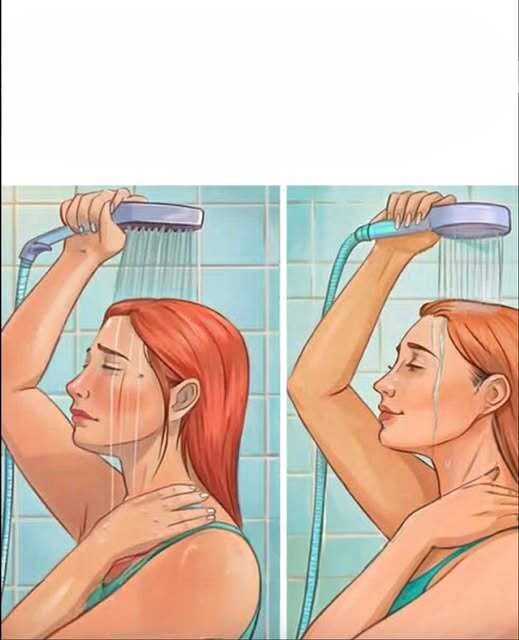
Bathing is usually seen as one of the simplest and healthiest daily habits. It feels refreshing, improves comfort, and supports personal hygiene. But what many people don’t realize is that “more” is not always better when it comes to washing your body. When bathing becomes too frequent—especially with hot water and strong soaps—it can quietly interfere with the skin’s natural balance and long-term health.
Your skin is not just a surface to be cleaned. It is a living barrier designed to protect you.
On its outermost layer, the skin produces natural oils (sebum) that help keep it soft, hydrated, and resilient. These oils form part of what is known as the skin barrier, a thin but powerful shield that locks in moisture and keeps out irritants, allergens, and harmful microbes. When this barrier is healthy, your skin can repair itself, stay flexible, and resist everyday environmental stress.
However, frequent bathing—especially with harsh cleansers—can gradually strip away these protective oils. Hot water intensifies this effect by dissolving oils more quickly, leaving the skin dry and vulnerable. Over time, the skin may begin to feel tight, rough, or itchy, even if no visible damage is immediately present.
This isn’t just a cosmetic issue. Once the skin barrier weakens, small cracks can form that allow irritants and bacteria to penetrate more easily. This can lead to inflammation, sensitivity, and in some cases, recurring skin conditions such as eczema flare-ups or contact dermatitis. What starts as a “cleanliness habit” can unintentionally create the opposite effect—skin that is more reactive and less protected.
Another often overlooked aspect is the skin’s microbiome. Your skin hosts billions of beneficial bacteria that play a role in maintaining immune balance and protecting against harmful microorganisms. These microbes are part of your body’s natural defense system. Excessive washing, particularly with antibacterial or heavily fragranced products, can disrupt this delicate ecosystem. When the balance shifts, the skin may become more prone to irritation and less efficient at defending itself.
For many people, especially older adults or those with naturally dry or sensitive skin, these effects become more noticeable over time. Aging skin produces less natural oil, which means it already has a thinner protective barrier. Frequent hot showers can accelerate dryness and discomfort, sometimes leading to persistent itchiness or flaking that is mistaken for a separate skin condition.
Even circulation can be affected indirectly. Very hot showers cause blood vessels near the skin’s surface to dilate, which can create a temporary feeling of relaxation but may also contribute to lightheadedness in some individuals, particularly those with cardiovascular sensitivity or low blood pressure.
The good news is that protecting your skin does not mean abandoning hygiene. It simply means adjusting how you approach it.
One of the most effective changes is reducing water temperature. Warm water is generally sufficient to cleanse the body without stripping away as many natural oils. Shortening shower time also helps minimize moisture loss. Instead of long, daily hot showers, many dermatologists suggest that bathing every two to three days may be enough for people who are not exposed to heavy sweating or environmental dirt.
The choice of cleanser matters just as much. Harsh soaps and heavily fragranced body washes can disrupt the skin barrier more aggressively than mild, fragrance-free alternatives. Gentle cleansers are designed to clean without completely removing the oils your skin needs to stay healthy.
Moisturizing is another essential step that is often underestimated. Applying a moisturizer shortly after bathing—while the skin is still slightly damp—helps trap moisture and reinforce the skin barrier. This simple habit can significantly reduce dryness and improve long-term skin resilience.
It is also important to remember that hygiene needs are not identical for everyone. Activity level, climate, skin type, and age all influence how often bathing is truly necessary. Someone working outdoors or exercising daily may need more frequent washing than someone with a more sedentary routine in a mild climate.
Ultimately, the goal of bathing should be balance rather than excess. Cleanliness supports health, but over-cleansing can quietly undermine the very system it is meant to protect. By adopting gentler routines—moderate water temperature, shorter showers, mild cleansers, and regular moisturizing—you allow your skin to maintain its natural defenses while still feeling fresh and clean.
Healthy skin is not achieved by how often you wash it, but by how well you preserve what it already knows how to do: protect you.