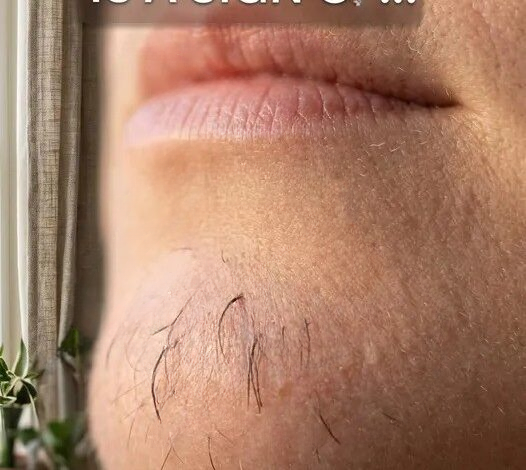
You step into the bathroom one morning, glance in the mirror, and spot it—a single dark, coarse hair growing from your chin. It seems to have appeared overnight. Like many women, your first instinct may be to grab a pair of tweezers, pluck it out, and move on with your day.
But what if that tiny hair is more than just an annoying sign of aging?
While an occasional chin hair is often completely normal, changes in facial hair growth can sometimes provide valuable clues about what’s happening inside your body. Hormones, genetics, aging, stress levels, and certain medical conditions can all influence hair growth patterns. Understanding these changes can help you recognize when a simple cosmetic issue might deserve a closer look.
Why Chin Hair Appears in Women
Many people associate facial hair with men, but women naturally produce small amounts of hormones called androgens, including testosterone. These hormones play important roles in the female body, affecting everything from bone health to energy levels.
Normally, estrogen and androgen levels remain in balance. However, when that balance shifts, hair follicles may become more active, particularly on the chin, jawline, and upper lip.
As a result, women may notice:
- Coarser facial hair
- Darker hair growth
- Increased frequency of stray hairs
- Changes in hair texture
In many cases, these changes happen gradually and are not dangerous. However, they can sometimes indicate underlying hormonal fluctuations.
The Role of Genetics
Before assuming the worst, it’s important to consider family history.
If your mother, grandmother, or other female relatives developed chin hairs as they aged, genetics may be the primary explanation. Some women simply inherit hair follicles that are more sensitive to normal hormone levels.
Genetic facial hair growth is extremely common and usually harmless. Nevertheless, paying attention to changes remains important, especially if the hair growth becomes noticeably different from what you’ve experienced before.
Hormonal Changes Throughout Life
Women’s hormone levels naturally fluctuate throughout different life stages.
Puberty, pregnancy, postpartum recovery, perimenopause, and menopause can all trigger temporary or lasting changes in hair growth patterns.
During menopause, for example, estrogen levels decline significantly. As estrogen decreases, the effects of androgens may become more noticeable. This often leads to:
- Chin hairs
- Thinning scalp hair
- Changes in skin texture
- Increased facial hair growth
For many women, a few chin hairs appearing during midlife is simply part of the body’s natural transition.
When Facial Hair May Signal a Health Condition
Sometimes facial hair growth is connected to an underlying medical issue.
One of the most common causes is Polycystic Ovary Syndrome (PCOS), a hormonal condition that affects millions of women worldwide.
In addition to facial hair growth, PCOS may cause:
- Irregular menstrual cycles
- Acne
- Weight gain
- Difficulty losing weight
- Fertility challenges
- Thinning scalp hair
The condition is often linked to elevated androgen levels, which can stimulate hair growth in areas typically associated with male-pattern hair distribution.
However, PCOS is only one possible explanation. Other hormonal disorders involving the adrenal glands, thyroid, or ovaries can also contribute to unusual hair growth.
Signs You Shouldn’t Ignore
Most occasional chin hairs are not cause for concern.
However, medical experts generally recommend seeking evaluation if you experience:
- Sudden or rapid facial hair growth
- Multiple new coarse hairs appearing within a short period
- Deepening of the voice
- Significant weight changes
- Severe acne
- Irregular menstrual periods
- Unexplained fatigue
- Hair thinning on the scalp
When facial hair growth occurs alongside these symptoms, it may indicate a more significant hormonal imbalance that deserves professional attention.
The Connection Between Stress and Hormones
Chronic stress can influence hormone regulation throughout the body.
When stress levels remain elevated for long periods, cortisol production increases. This can affect other hormone systems and may indirectly contribute to hormonal imbalances that influence hair growth.
Although stress alone rarely causes dramatic facial hair growth, it can sometimes worsen existing hormonal tendencies.
That’s one reason healthcare professionals often encourage:
- Regular exercise
- Adequate sleep
- Balanced nutrition
- Stress-management techniques
- Consistent daily routines
These habits support overall hormonal health and may help reduce symptoms associated with hormonal fluctuations.
What You Can Do
If you’re concerned about new facial hair growth, start by paying attention to patterns rather than focusing on a single hair.
Ask yourself:
- Has the growth increased recently?
- Are there other symptoms?
- Is there a family history?
- Am I experiencing hormonal changes such as menopause?
A healthcare provider can perform blood tests to evaluate hormone levels and identify any underlying conditions if necessary.
Treatment options vary depending on the cause and may include lifestyle adjustments, hormonal therapies, or management of specific medical conditions.
The Bottom Line
A single chin hair is usually not a medical emergency. In many cases, it’s simply a normal part of genetics or aging.
However, your body communicates through subtle changes, and facial hair can sometimes offer important clues about hormonal health. Rather than feeling embarrassed or ignoring the issue entirely, approach it with curiosity and awareness.
Most of the time, that unexpected chin hair is nothing more than a minor nuisance. But if it arrives alongside other noticeable changes, it may be worth listening to what your body is trying to tell you.
After all, good health often begins with paying attention to the small signals before they become larger ones.