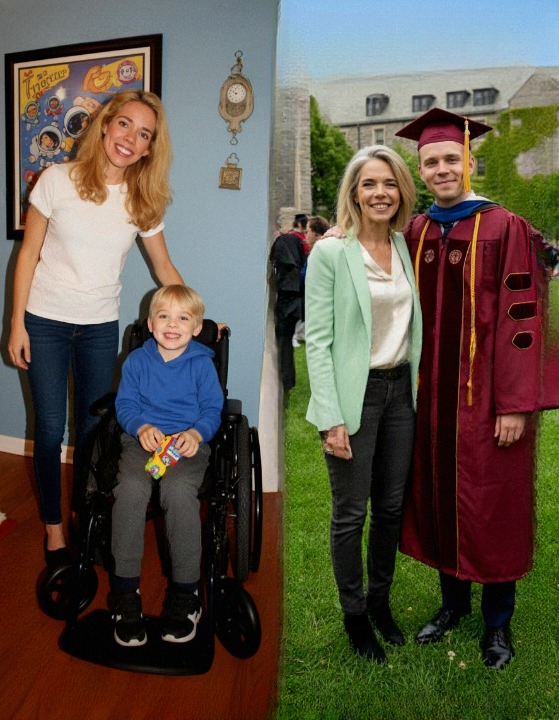
The viral stories you shared all come from a very specific modern internet storytelling style that blends emotional fiction, memoir-like narration, and dramatic structure designed for maximum engagement. While each one has different characters and situations—adoption crises, courtroom custody battles, medical abandonment, or childhood bullying—they all follow nearly identical narrative architecture. Understanding how they work reveals why they are so widely read, shared, and emotionally impactful.
At the beginning of every story, there is a sharp emotional rupture. The protagonist experiences abandonment, betrayal, or rejection at a moment of extreme vulnerability. This might be childbirth, raising a disabled child, adopting a child, or enduring bullying in school. The key feature is helplessness: the protagonist is placed in a position where they cannot easily defend themselves, and someone they trust fails them. This immediately creates moral alignment between the reader and the narrator. Within a few paragraphs, the reader knows who to sympathize with and who to distrust.
This opening section is usually written in a highly personal, confessional tone. The narration often uses first-person voice and direct emotional statements such as fear, shock, or disbelief. Dialogue is presented in short, dramatic bursts that heighten tension. The effect is to simulate intimacy, as if the reader is being told a deeply private story.
After the initial rupture comes the long middle section, which is where transformation happens. Time passes quickly in narrative terms—often years or decades. During this phase, the protagonist rebuilds their life. They raise children alone, develop a career, overcome illness, or achieve financial independence. This part of the story serves two purposes: it demonstrates resilience and establishes moral superiority over the absent character.
Importantly, this section often compresses complexity. Real struggles are simplified into a linear path of hardship followed by gradual success. Supporting characters such as children, teachers, coworkers, or neighbors are introduced as emotional anchors. These characters reinforce the protagonist’s virtue and persistence. The story may include repeated obstacles, but they are framed as stepping stones rather than unresolved complications.
Meanwhile, the antagonist—the person who abandoned or betrayed the protagonist—is usually absent during this period. Their absence is important because it allows the reader to mentally solidify their guilt. Sometimes the antagonist is mentioned in passing, but usually in a way that reinforces irresponsibility or emotional detachment. The narrative does not explore their perspective deeply, which helps maintain a clear moral division.
The turning point of these stories arrives when the past returns. The absent figure reappears after many years, often expecting reconciliation, control, or validation. This return is not neutral; it is structured as a disruption of the protagonist’s hard-won stability. The antagonist may ask for custody, forgiveness, reconciliation, or recognition. However, their timing is always narratively “too late,” which reinforces the idea that their absence has already caused irreversible consequences.
At this stage, the story introduces its most dramatic device: the public revelation. This often takes place in a courtroom, graduation ceremony, family gathering, hospital, or other formal setting. The choice of setting is not accidental. Public environments allow private truths to become social judgments. The presence of witnesses increases emotional stakes and creates a sense of irreversible exposure.
The climax typically involves a reveal of hidden truth—messages, diaries, photos, medical records, or testimony from a witness who was previously silent. This information is presented as undeniable proof that validates the protagonist and discredits the antagonist. In many cases, a child or young adult plays a central role in speaking the truth. This is a powerful narrative tool because children are perceived as honest, vulnerable, and unbiased, which amplifies emotional impact.
The antagonist’s reaction is usually immediate and extreme: shock, denial, panic, or public humiliation. They are often silenced or overwhelmed by evidence and testimony. This creates a reversal of power dynamics. The person who once held authority or caused harm is now exposed in front of others, while the protagonist gains moral and emotional validation.
One of the defining features of these stories is how they externalize justice. Instead of subtle resolution or private reconciliation, justice is made visible to a group of observers. Gasps, silence, applause, or courtroom rulings are used to signal moral closure. This communal reaction replaces the ambiguity of real-life outcomes with a clear emotional verdict.
After the climax, the resolution is brief and symbolic. The protagonist moves forward with their life, often surrounded by loved ones or the people they protected throughout the story. The antagonist is usually removed from the narrative entirely—through separation, legal consequences, or emotional exile. The ending emphasizes peace, closure, and stability rather than continued conflict.
What makes these stories so compelling is not their realism but their emotional structure. They are built like modern morality plays: clear wrongdoing, long-term suffering, delayed confrontation, and final public vindication. They remove ambiguity and complexity in favor of emotional clarity and satisfaction. The reader is guided through a controlled experience of injustice followed by resolution, which creates a strong psychological payoff.
However, it is important to recognize that many of these narratives are heavily stylized or fictionalized, even when presented as “based on real events.” The dialogue is often too precise, the timing too perfect, and the emotional reversals too neatly resolved. These are hallmarks of crafted storytelling rather than unfiltered reality.
In the end, these viral stories persist because they satisfy a deep narrative desire: the wish that long-term pain can be clearly recognized, truth can be publicly proven, and justice can arrive in a moment where everyone is finally forced to see it.