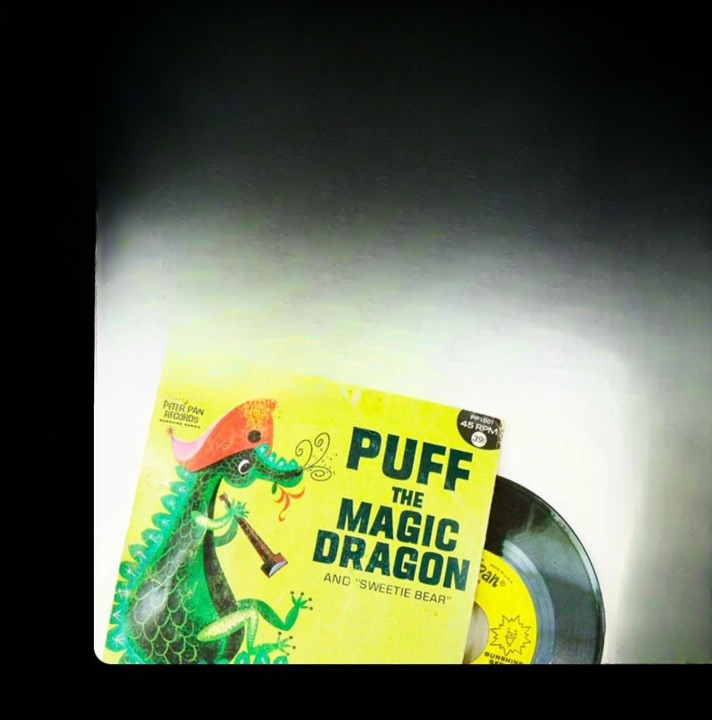
Few songs from the 20th century have lingered in public memory quite like “Puff, the Magic Dragon.” For many people, just hearing the title is enough to spark an immediate wave of nostalgia. The melody is gentle. The lyrics are simple. And the story feels timeless.
If you grew up hearing it—whether in a classroom, around a campfire, or playing softly from a record player—you may still remember most of the words by heart. It’s one of those rare songs that crosses generations. Parents who sang it as children later shared it with their own kids.
But alongside the warm memories, the song has carried decades of speculation. Some listeners have suggested that the lyrics contain hidden symbolism. Others insist the message is exactly what it seems: a tender reflection on childhood imagination and growing up.
So what is the real meaning behind “Puff, the Magic Dragon”? Let’s take a thoughtful look at the history of the song, the context in which it was written, the interpretations that followed, and why its legacy continues to endure.
The Origins of the Song
“Puff, the Magic Dragon” was written by Peter Yarrow of the folk trio Peter, Paul and Mary. The lyrics were inspired by a poem written by Leonard Lipton in the late 1950s.
Lipton reportedly wrote the poem while attending Cornell University. The poem eventually made its way to Yarrow, who adapted it into a song. The trio recorded it in 1962, and it was released in early 1963.
The timing was significant. The early 1960s were marked by social change, cultural shifts, and a revival of American folk music. Peter, Paul and Mary were already gaining recognition for their harmonies and socially conscious songwriting. “Puff, the Magic Dragon” quickly became one of their most recognizable recordings.
The song resonated with both children and adults—an uncommon achievement. Its melody was accessible, and its story was easy to follow. Yet beneath its simplicity lay emotional depth.
The Story Told in the Lyrics
At face value, the song tells the story of a magical dragon named Puff who lives in a fictional seaside land called Honah Lee. Puff befriends a little boy named Jackie Paper. Together, they sail on adventures and explore a world shaped by imagination.
The early verses paint a picture of playful fantasy:
-
Dragons that frolic in autumn mist
-
Pirates lowering flags in respect
-
Shared adventures on a small boat
However, as the song progresses, the tone shifts. Jackie Paper grows older. He no longer visits Puff. The once vibrant adventures fade into memory.
The final verses carry a quiet melancholy. Puff remains, but without his companion. The magic world feels empty.
The transformation from joyful imagination to solitude mirrors a universal experience: growing up.
A Song About Childhood and Growing Up
Many listeners interpret “Puff, the Magic Dragon” as a metaphor for childhood innocence.
Children often create imaginary worlds filled with:
-
Fantasy creatures
-
Make-believe adventures
-
Heroic friendships
These imaginative experiences feel real and vivid. Yet as children grow, responsibilities increase, interests change, and imagination sometimes recedes into the background.
The fading presence of Jackie Paper represents this natural transition from childhood to adolescence.
The dragon, Puff, symbolizes imagination itself—always present but less visited as life becomes more structured.
Rather than being tragic, the story feels reflective. It captures a bittersweet truth: growing up involves letting go of certain forms of wonder.
Why Speculation Emerged
Not long after its release, some listeners began interpreting the lyrics differently.
The 1960s were a time of cultural experimentation and shifting norms. Music often carried layered meanings, especially in the folk and rock genres. As a result, some people speculated that “Puff, the Magic Dragon” contained hidden references.
The word “dragon,” the name “Puff,” and the whimsical setting led to interpretations suggesting coded symbolism.
However, these interpretations were never confirmed by the songwriters.
The Songwriters’ Response
Members of Peter, Paul and Mary consistently denied that the song had any connection to illicit substances or hidden adult themes.
Peter Yarrow repeatedly explained that the song was about the loss of innocence and the transition from childhood to adulthood.
In interviews over the years, Yarrow emphasized that the poem was written by Leonard Lipton without any hidden meaning. The imagery was inspired by classic children’s literature and fairy tales.
According to the creators, the song’s message is straightforward: childhood imagination is powerful, but it changes as we grow.
The Cultural Context of the Early 1960s
Understanding the era in which the song was written helps clarify its tone.
The early 1960s saw:
-
A revival of acoustic folk music
-
A focus on storytelling through song
-
A blend of social commentary and traditional themes
Many folk songs of that time addressed social issues directly. Others told simple stories meant to evoke emotion and reflection.
“Puff, the Magic Dragon” fits within the storytelling tradition. Its structure resembles classic folk ballads that narrate a journey, a friendship, or a passage of time.
Unlike protest songs of the era, “Puff” carries no overt political message. Its emotional core lies in personal growth and memory.
Why the Song Endures
Decades after its release, “Puff, the Magic Dragon” remains widely recognized.
Several factors contribute to its longevity:
1. Memorable Melody
The tune is gentle, repetitive, and easy to sing. This makes it ideal for children while still appealing to adults.
2. Universal Theme
Nearly everyone experiences the shift from childhood imagination to adult responsibility. The song captures that shared experience.
3. Emotional Resonance
The final verses create a sense of longing that listeners of any age can understand.
4. Intergenerational Appeal
Parents introduce it to children, passing it down like a musical heirloom.
Literary Themes Within the Song
From a literary perspective, “Puff, the Magic Dragon” explores themes commonly found in classic children’s stories.
Imagination as Refuge
The magical land represents a safe space where creativity thrives.
Friendship
The bond between Puff and Jackie Paper reflects loyalty and companionship.
Passage of Time
The gradual absence of Jackie Paper underscores how time changes priorities.
Loss Without Bitterness
The tone is reflective rather than resentful. Puff does not express anger—only quiet sadness.
The Power of Nostalgia
Music has a unique ability to transport listeners back in time.
For many people, hearing “Puff, the Magic Dragon” brings memories of:
-
Childhood classrooms
-
Bedtime routines
-
Summer camps
-
Family road trips
These memories are personal and emotional. The song becomes intertwined with formative years.
Even listeners who encounter it for the first time as adults often sense its nostalgic quality.
The Role of Folk Music Storytelling
Folk music traditionally uses simple language to communicate deeper ideas.
Artists like Peter, Paul and Mary built their reputation on:
-
Harmonized vocals
-
Acoustic instrumentation
-
Clear narrative structure
“Puff” follows this tradition. Its straightforward lyrics allow listeners to project their own experiences onto the story.
The beauty of folk storytelling lies in its openness to interpretation—without necessarily requiring hidden meaning.
Why Misinterpretations Persist
Songs often take on lives of their own.
Listeners may:
-
Project cultural trends onto lyrics
-
Connect imagery to contemporary events
-
Seek hidden symbolism
This phenomenon is not unique to “Puff, the Magic Dragon.” Many classic songs have faced similar speculation.
Over time, rumors can overshadow original intent. However, creator statements provide valuable context.
Respecting Artistic Intent
While listeners are free to interpret art in personal ways, acknowledging the creators’ explanations helps ground understanding.
Peter Yarrow consistently stated that the song was about innocence and imagination—not coded adult themes.
Taking the writers at their word allows the song to remain what it was originally meant to be: a gentle reflection on growing up.
The Emotional Arc of the Final Verse
One of the most poignant lines in the song describes Puff ceasing his playful activity after Jackie Paper no longer visits.
The image of a once-vibrant dragon becoming subdued is symbolic of imagination lying dormant.
Yet the dragon does not disappear.
This detail suggests that imagination never truly vanishes—it simply waits.
Many adults rediscover creative wonder later in life through:
-
Art
-
Music
-
Parenting
-
Storytelling
-
Travel
In that sense, Puff may represent the enduring spark of creativity within us all.
Educational and Cultural Impact
“Puff, the Magic Dragon” has appeared in:
-
School music programs
-
Children’s song collections
-
Television specials
-
Folk anthologies
Its gentle narrative makes it accessible for young audiences while still offering layers for older listeners.
Few songs manage to remain culturally relevant for over half a century.
A Song That Invites Reflection
Ultimately, the strength of “Puff, the Magic Dragon” lies in its emotional honesty.
It acknowledges that:
-
Childhood changes
-
Friendships evolve
-
Time moves forward
Yet it does so without cynicism.
Instead, it honors the magic of imagination and the memories that shape us.
Final Thoughts: Choosing the Meaning That Resonates
While speculation has surrounded “Puff, the Magic Dragon” for decades, the creators have consistently affirmed its true message: a heartfelt meditation on childhood imagination and the bittersweet nature of growing up.
Art invites interpretation, but sometimes the simplest explanation is the most powerful.
The image of a child and a dragon sailing across an imaginary sea captures something universal—a reminder of a time when creativity felt limitless.
And perhaps that is why the song endures.
It gently reminds us that while we may leave parts of childhood behind, the capacity for wonder still lives within us—waiting, like Puff, for us to return and visit once again.