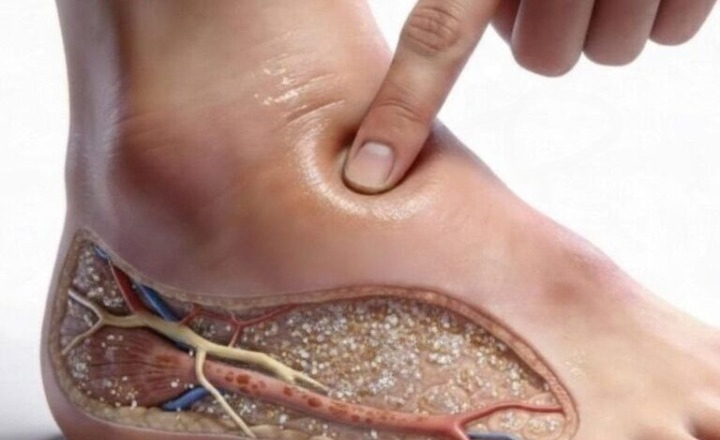
Swollen feet can feel uncomfortable, frustrating, and sometimes painful, but sensational claims about “secret cures doctors hate” are misleading and potentially dangerous. Swelling in the feet and ankles — medically called edema — is not usually something to panic about, but it can be a sign that your body needs attention.
In many cases, swollen feet are caused by long periods of standing or sitting, hot weather, pregnancy, excess salt intake, minor injuries, or poor circulation. Sometimes, however, swelling may point to more serious conditions involving the heart, kidneys, liver, veins, or lymphatic system. That’s why persistent or sudden swelling should never be ignored or self-treated indefinitely with internet remedies alone.
There is no magical overnight cure that “melts away” fluid forever. But there are evidence-based lifestyle habits and certain herbal approaches that may help support circulation and reduce mild swelling for some people.
What Usually Causes Swollen Feet?
Fluid naturally moves through your blood vessels and tissues throughout the day. When circulation slows or pressure builds inside the veins, fluid can leak into surrounding tissue and collect in the feet and ankles.
Common causes include:
- Standing or sitting too long
- Pregnancy
- High sodium intake
- Obesity
- Varicose veins
- Medication side effects
- Injuries or inflammation
- Venous insufficiency
- Heart, kidney, or liver disease
If swelling appears suddenly, affects only one leg, comes with chest pain, shortness of breath, redness, or severe pain, medical care should be sought immediately.
Natural Approaches That May Help Mild Swelling
Certain herbs and habits may provide mild support for circulation or temporary relief, though they are not replacements for medical treatment when underlying disease is present.
Ginger
Ginger contains compounds with anti-inflammatory properties and may help promote circulation. Many people drink ginger tea or use warm ginger compresses for temporary comfort after long periods of sitting or standing.
Turmeric
Turmeric contains curcumin, which has been studied for anti-inflammatory effects. Adding turmeric to meals may support general inflammation management, though it is not a standalone treatment for edema.
Dandelion
Dandelion has traditionally been used as a mild natural diuretic. Some small studies suggest it may increase urination temporarily, but people with kidney issues or those taking medications should speak with a healthcare professional first.
Horse Chestnut
Horse Chestnut has some clinical evidence supporting its use for chronic venous insufficiency and leg discomfort. However, it should only be used in properly prepared commercial forms because raw horse chestnut can be toxic.
Ginkgo Biloba
Ginkgo Biloba is often promoted for circulation support. Evidence is mixed, but some individuals report mild improvement in feelings of coldness or heaviness in the legs.
Everyday Habits That Often Work Better Than “Miracle Cures”
For many people, the most effective relief comes from simple physical habits rather than dramatic detoxes or “forbidden secrets.”
Elevate Your Feet
Raising your feet above heart level for 15–20 minutes can help fluid move back through the circulatory system more efficiently.
Move More Frequently
Walking, calf raises, stretching, and regular movement help your leg muscles pump blood and fluid upward.
Reduce Excess Salt
High sodium intake encourages fluid retention. Cutting back on heavily processed foods often helps.
Compression Socks
Compression garments can improve circulation and reduce swelling caused by venous insufficiency or prolonged standing.
Stay Hydrated
Ironically, dehydration can worsen fluid retention because the body attempts to conserve water.
Important Safety Warning
Natural remedies are not automatically safe for everyone. Some herbs can interact with medications such as blood thinners, blood pressure medications, or diabetes treatments.
You should speak with a healthcare professional before using supplements if you have:
- Heart disease
- Kidney disease
- Liver disease
- Diabetes
- Circulatory disorders
- Pregnancy
- Prescription medications
When to See a Doctor
Seek medical attention if swelling:
- Appears suddenly
- Affects only one leg
- Causes pain, redness, or warmth
- Comes with chest pain or shortness of breath
- Persists for weeks
- Continues worsening
Swollen feet are often manageable, but they should never be dismissed as “just aging” or treated solely with internet hype. The most important step is understanding why the swelling is happening in the first place.
Real health solutions rarely come from miracle claims. They come from careful attention, consistent habits, and getting proper care when your body signals that something deeper may be wrong.