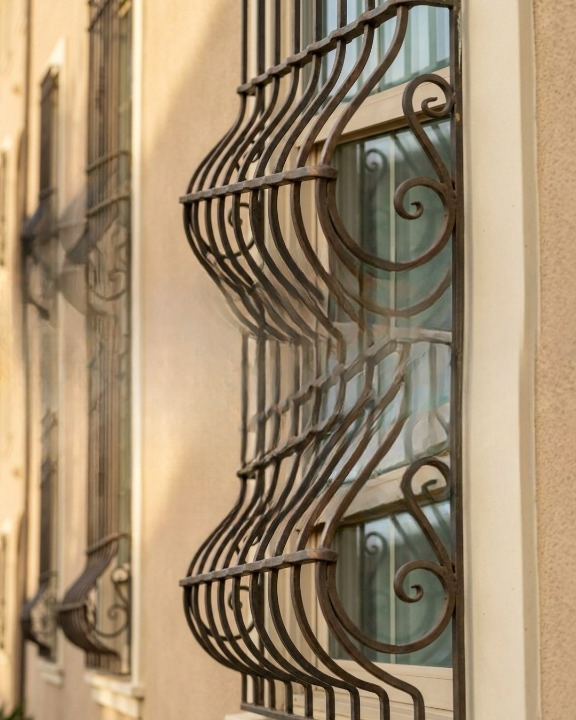
Have you ever walked past a building and noticed that some window grilles don’t sit flat against the glass? Instead, they curve outward slightly at the bottom, forming a subtle bulge. At first glance, it might seem like a purely decorative detail—an artistic flourish added for style. But in reality, that curved shape often serves a practical purpose.
Window grilles (sometimes called window bars or security grates) have existed for centuries. Over time, their design has evolved to balance safety, functionality, and appearance. The outward curve—often referred to informally as a “belly” or “basket” style grille—is one of those thoughtful adaptations that combines utility with visual appeal.
In this comprehensive guide, we’ll explore:
-
The history of window grilles
-
Why some designs curve outward
-
Practical uses for curved-bottom grilles
-
Safety considerations
-
How to choose the right option for your home
-
Installation and maintenance tips
-
Design trends and architectural styles
-
Alternatives to traditional window bars
By the end, you’ll understand why that small curve can make a big difference.
A Brief History of Window Grilles
Window grilles have been used for hundreds of years across different cultures and architectural styles. Originally crafted from wrought iron, they served a straightforward purpose: reinforcing windows to reduce unauthorized entry.
In medieval Europe, iron window bars were common in stone buildings. In colonial cities throughout Latin America, decorative iron grilles became both protective and ornamental. In urban areas worldwide, window security features were especially popular on ground-level windows and basement openings.
Over time, the designs became more sophisticated. Instead of simple straight bars, artisans began incorporating curves, scrolls, and geometric patterns. These decorative enhancements made security features blend more naturally with architectural styles.
The outward-curving lower section—sometimes called a “basket” or “bow” grille—emerged as a practical and aesthetic solution.
What Is a Curved or “Basket” Window Grille?
A curved-bottom window grille features a gentle outward extension at the lower portion of the frame. Rather than sitting flush against the window, the metal bars bow outward slightly, creating a small pocket of space between the grille and the glass.
This curve can vary in size:
-
Subtle outward bend (a few inches)
-
More pronounced basket shape
-
Full flower-box style projection
While the name “potbelly” is sometimes used informally, “basket grille” or “bowed grille” are more common industry terms.
The Practical Reasons Behind the Curve
1. Supporting Flower Boxes
One of the most common and charming uses for curved window grilles is supporting flower boxes.
The outward curve creates a stable platform where planters can rest securely. Without the curve, a flower box would have no support other than brackets drilled into the wall. The bowed shape:
-
Adds depth
-
Provides support
-
Keeps planters secure
-
Enhances visual appeal
In residential neighborhoods, flower boxes can soften the look of metal security bars, adding warmth and personality to a building’s exterior.
The combination of greenery and ironwork creates a classic aesthetic seen in many historic districts.
2. Accommodating Window Air Conditioning Units
Another practical reason for the curved design is to provide space for window-mounted air conditioning units.
In older buildings—particularly apartments—window AC systems are common. A flat grille may block installation or limit airflow. The outward curve creates:
-
Additional clearance
-
Improved ventilation
-
Better fit for box-style units
-
Maintained security
This design allows homeowners to install cooling systems without removing security features entirely.
3. Allowing Window Operation
Some curved grilles make it easier to:
-
Open inward-tilting windows
-
Adjust window panels
-
Access handles or locks
The extra space prevents interference between the grille and the window hardware.
4. Enhancing Visual Design
Security features can sometimes look rigid or imposing. A curved grille softens the visual lines of a building’s façade.
Architecturally, curves:
-
Add dimension
-
Create shadow depth
-
Break up flat surfaces
-
Introduce elegance
In certain styles—Mediterranean, Spanish Colonial, French Quarter—the curved grille complements the design language of the structure.
Balancing Security and Style
Window grilles are typically installed for safety and protection. However, many homeowners want security features that don’t make their homes appear uninviting.
Curved grilles offer a balance:
-
They maintain structural strength.
-
They reduce the “fortress” appearance.
-
They allow personalization through plants or decorative accents.
When thoughtfully designed, they become an architectural feature rather than an eyesore.
Materials Used in Curved Window Grilles
Choosing the right material is essential for durability and performance.
1. Steel
Steel is one of the strongest materials for window grilles. It offers:
-
High durability
-
Strong resistance to bending
-
Long lifespan
-
Reliable structural integrity
Powder-coated steel also resists rust when properly maintained.
2. Wrought Iron
Wrought iron is known for its classic appearance. It is often used in decorative designs.
Benefits include:
-
Elegant finish
-
Custom design flexibility
-
Strong structural support
Regular maintenance is important to prevent corrosion.
3. Aluminum
Aluminum is lightweight and rust-resistant. While not as strong as steel, it can be suitable for decorative or lower-risk installations.
Safety Considerations
While window grilles can enhance security, safety planning is essential—especially in residential settings.
Emergency Exit Planning
If installed on bedrooms or living areas, grilles should:
-
Include quick-release mechanisms (where required by local codes)
-
Comply with fire safety regulations
-
Allow safe exit in emergencies
Always check local building codes before installation.
Proper Installation
Improper installation can:
-
Reduce effectiveness
-
Cause structural weakness
-
Create safety hazards
Professional installation ensures:
-
Secure anchoring
-
Correct spacing
-
Code compliance
Where to Purchase Curved Window Grilles
Homeowners can explore several options:
-
Local hardware stores
-
Home improvement centers
-
Specialty metal fabrication shops
-
Online retailers
Custom fabrication shops often provide the most flexibility in:
-
Design
-
Measurements
-
Finish
-
Projection depth
When ordering online, verify:
-
Material specifications
-
Mounting hardware
-
Return policies
-
Warranty coverage
How to Choose the Right Curved Grille
Selecting the right grille depends on several factors.
1. Security Needs
Ground-floor windows may require stronger materials than upper-level windows.
2. Architectural Style
Choose a design that complements:
-
Modern homes
-
Traditional brick buildings
-
Mediterranean villas
-
Industrial lofts
3. Projection Depth
Consider how far the grille should extend:
-
Enough for a flower box?
-
Enough for an AC unit?
-
Minimal curve for subtle design?
4. Finish
Common finishes include:
-
Black
-
Bronze
-
White
-
Custom powder-coated colors
Choose a finish that resists weather damage.
Maintenance Tips
To keep curved window grilles looking their best:
-
Inspect annually for rust
-
Touch up chipped paint
-
Clean with mild soap and water
-
Check mounting hardware
Regular care extends lifespan and preserves appearance.
Are Curved Grilles Always Necessary?
Not necessarily. Flat window bars may be sufficient if:
-
No additional space is needed
-
Decorative planters aren’t desired
-
Air conditioning units aren’t used
The curved design is optional but versatile.
Alternatives to Traditional Window Bars
Some homeowners prefer less visible security solutions.
Options include:
-
Reinforced laminated glass
-
Window security film
-
Alarm sensors
-
Smart home monitoring systems
-
Interior window guards
These alternatives may provide protection without altering exterior aesthetics.
The Aesthetic Impact of Greenery
Flower boxes supported by curved grilles can transform a façade.
Benefits include:
-
Increased curb appeal
-
Seasonal decoration opportunities
-
Natural insulation benefits
-
Personal expression
Plants such as:
-
Geraniums
-
Petunias
-
Ivy
-
Herbs
are commonly used in window boxes.
Urban vs. Suburban Applications
Curved grilles are more common in:
-
Urban neighborhoods
-
Historic districts
-
Multi-unit residential buildings
In suburban areas, they may be used selectively on basement windows or decorative spaces.
Addressing Common Misconceptions
“They’re Only Decorative”
While decorative appeal is significant, many curved grilles serve functional purposes.
“They Make Homes Look Unsafe”
When designed well, they can enhance charm rather than signal insecurity.
“They Block Light”
Properly spaced bars allow ample light and airflow.
The Evolution of Design
Modern curved window grilles may incorporate:
-
Laser-cut patterns
-
Minimalist designs
-
Integrated planter shelves
-
Hidden mounting systems
Design innovation continues to blend safety with sophistication.
Environmental Considerations
Metal grilles are durable and long-lasting, reducing replacement frequency. Powder coating improves weather resistance, lowering maintenance needs.
Supporting plants through integrated flower boxes can also:
-
Encourage pollinators
-
Improve air quality
-
Add greenery to urban spaces
Cost Factors
Costs vary depending on:
-
Material
-
Size
-
Custom fabrication
-
Installation method
-
Finish type
Custom wrought iron designs typically cost more than standard steel units.
Final Thoughts: Function Meets Form
The curved bottom on certain window grilles is more than a decorative flourish. It represents thoughtful design that merges practicality and aesthetics.
Whether supporting flower boxes, accommodating window air conditioners, or simply enhancing architectural style, the outward curve serves meaningful purposes.
When choosing window grilles:
-
Prioritize safety
-
Ensure proper installation
-
Consider design harmony
-
Follow local building regulations
With careful planning, curved window grilles can provide security while adding character and dimension to your home’s exterior.
Next time you pass a building with a bowed window grille, you’ll recognize the blend of engineering and artistry behind that simple curve—a small detail with a surprisingly functional story.