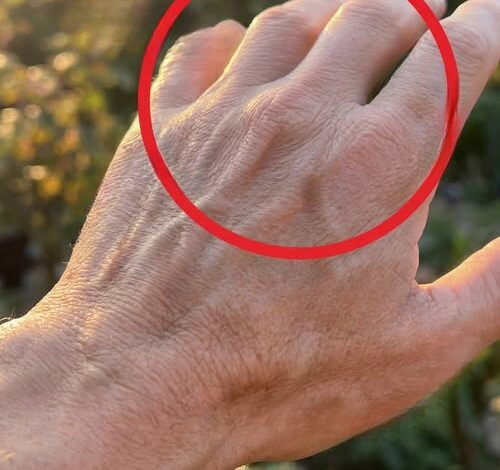
If you’ve ever paused and looked down at your hands only to notice a network of bluish or greenish veins that seem more visible than before, you’re not alone. For many people, especially in midlife and beyond, the sudden prominence of hand veins can feel surprising—or even alarming. In an era where we’re constantly exposed to online health advice, viral posts, and dramatic warnings about “hidden symptoms,” it’s easy to assume that any physical change must signal a deeper problem.
One persistent rumor circulating online suggests that visible hand veins are a warning sign of kidney disease or another serious internal condition. The idea is often framed in dramatic terms—dark veins reflecting “internal distress” or “silent organ damage.” But when we move away from speculation and look at established medical science, a far more reassuring explanation emerges.
In most cases, prominent veins on the hands are a normal and harmless change related to aging, body composition, temperature, genetics, and circulation. They are not a reliable indicator of kidney failure or systemic illness.
That doesn’t mean veins can never reflect health changes—but it does mean context matters. Understanding why veins become more visible can help you separate normal anatomical variation from genuine warning signs.
Let’s take a closer look at what’s really happening beneath your skin.
The Role of Skin in Vein Visibility
To understand why veins appear more prominent over time, we first need to examine the organ that covers them: your skin.
Skin is not just a surface layer. It’s a dynamic, living structure made up of multiple layers, including:
-
The epidermis (outer layer)
-
The dermis (middle layer containing collagen, elastin, and blood vessels)
-
Subcutaneous fat (the cushioning layer beneath)
As we age, the skin undergoes natural structural changes:
-
Collagen production decreases.
-
Elastin fibers weaken.
-
The dermis becomes thinner.
-
Subcutaneous fat diminishes in certain areas, especially the hands.
These changes typically begin gradually in our 30s and become more noticeable in our 50s and 60s.
When the skin becomes thinner and loses volume, the veins that were always present simply become easier to see. They haven’t suddenly appeared. They haven’t moved closer to the surface. The covering above them has just changed.
This is a normal biological process—not a medical emergency.
Why Hand Veins Become More Visible
Several factors influence how visible your hand veins appear.
1. Aging
Aging is the most common reason for increased vein visibility. As the skin thins and loses fat padding, veins naturally become more noticeable.
This is especially true for:
-
The backs of the hands
-
The forearms
-
The tops of the feet
These areas have relatively thin skin to begin with, so changes become more apparent over time.
2. Low Body Fat
People with lower body fat percentages tend to have more visible veins.
Subcutaneous fat acts like a soft layer between the skin and the veins. When that layer is thinner—whether due to genetics, fitness, or weight loss—veins stand out more clearly.
This is why athletes and physically fit individuals often display prominent veins, especially after exercise.
3. Genetics
Genetics strongly influence vein size, structure, and placement.
If your parents or grandparents had pronounced hand veins, you are more likely to have them as well. Vein visibility is often simply a reflection of inherited vascular architecture.
4. Exercise and Increased Blood Flow
Physical activity temporarily increases blood flow to working muscles. During and after exercise:
-
Veins dilate (expand).
-
Blood volume in surface vessels increases.
-
Veins appear fuller and more defined.
Over time, individuals who regularly engage in resistance training may develop semi-permanent vascular prominence due to improved circulation and vascular adaptation.
This is not a sign of organ stress—it’s often a sign of cardiovascular efficiency.
5. Heat and Temperature
Warm temperatures cause blood vessels to dilate in order to release heat. When veins expand, they become more visible.
That’s why your veins may look more pronounced:
-
On hot days
-
After a warm shower
-
In a sauna
-
After sun exposure
Once your body cools down, the veins typically become less noticeable.
6. Dehydration
Temporary dehydration can sometimes make veins appear more defined due to reduced fluid volume under the skin.
However, this effect is usually mild and reversible once hydration improves.
The Kidney Myth: Why It’s Misleading
A widespread online claim suggests that visible hand veins are a sign of kidney disease. This idea does not align with how kidney dysfunction actually presents in the body.
To understand why, we need to look at what kidneys actually do.
Your kidneys:
-
Filter waste products from the blood.
-
Regulate fluid balance.
-
Maintain electrolyte levels.
-
Help control blood pressure.
-
Support red blood cell production.
When kidney function declines significantly, the most common early changes involve fluid retention—not dehydration or vascular prominence.
What Actually Happens in Kidney Disease
In moderate to advanced kidney dysfunction, the body often struggles to eliminate excess fluid. This can lead to edema (fluid accumulation in tissues).
Edema typically causes:
-
Swelling in the hands and feet.
-
Puffiness around the eyes.
-
Tight or shiny skin.
-
Indentations when pressed (pitting edema).
Swelling tends to obscure veins rather than highlight them.
If someone has significant fluid retention, their veins are often less visible, not more.
Other medically recognized signs of kidney problems may include:
-
Persistent high blood pressure
-
Changes in urination (frequency or volume)
-
Foamy urine (indicating protein leakage)
-
Fatigue due to anemia
-
Loss of appetite
-
Nausea
Prominent hand veins are not listed among diagnostic indicators of kidney disease in established medical guidelines.
Where Veins and Kidney Care Actually Intersect
There is one legitimate medical situation in which veins and kidney disease intersect: the creation of an arteriovenous (AV) fistula for dialysis.
In individuals with advanced kidney failure requiring hemodialysis, surgeons may create a surgical connection between an artery and a vein in the arm. This procedure strengthens the vein and increases blood flow to make repeated dialysis access possible.
Over time, the vein becomes thicker and more prominent due to increased pressure and flow.
In this context, the visible vein is not a symptom of kidney disease itself—it is the result of a life-saving medical intervention.
Outside of this specific situation, natural vein visibility does not indicate kidney malfunction.
When Visible Veins Might Indicate a Medical Issue
Although most cases of prominent hand veins are harmless, there are rare situations where vein changes deserve medical evaluation.
Seek professional advice if you notice:
-
Sudden swelling and pain in one limb
-
Redness and warmth along a vein
-
Hard, rope-like veins with tenderness
-
Significant skin color changes
-
Shortness of breath alongside limb swelling
These symptoms could suggest vascular conditions such as thrombophlebitis or deep vein thrombosis, which require prompt care.
However, these conditions typically involve pain, swelling, and inflammation—not just cosmetic vein visibility.
The Psychology of Physical Changes
Why do visible veins cause anxiety for so many people?
In today’s digital environment, physical changes are often magnified through dramatic storytelling. Minor variations are sometimes framed as “hidden signs” of catastrophic illness.
This creates a feedback loop of fear:
-
Someone notices a normal change.
-
They search online.
-
They encounter alarming interpretations.
-
Anxiety increases.
-
Normal anatomy becomes a source of stress.
The reality is that the human body is dynamic. It changes over time. Not every visible shift signals disease.
Other Common Causes of Vein Prominence
Hormonal Changes
Hormonal fluctuations can influence blood vessel dilation and skin thickness.
For example:
-
Pregnancy increases blood volume.
-
Menopause affects skin elasticity.
-
Hormone therapy may influence vascular tone.
These changes can alter how veins appear temporarily or gradually.
Weight Loss
Significant weight loss can reduce subcutaneous fat in the hands, making veins more visible.
This is particularly common in:
-
Rapid weight loss
-
Post-illness recovery
-
Long-term dietary changes
The veins were always present—the surrounding tissue has simply changed.
Natural Vascular Variation
Some individuals naturally have larger superficial veins. This does not imply disease.
Vein size varies widely between people, just like eye color or bone structure.
How Doctors Actually Evaluate Kidney Health
If you are concerned about kidney function, the appropriate approach is not visual inspection of veins. Medical professionals rely on objective testing.
Common evaluations include:
-
Serum creatinine blood test
-
Estimated glomerular filtration rate (eGFR)
-
Urinalysis
-
Urine protein measurement
-
Blood pressure monitoring
These tests provide reliable, measurable indicators of kidney function.
Visible hand veins are not part of diagnostic criteria.
When to Seek Medical Advice
While prominent hand veins are usually harmless, consult a healthcare provider if you experience:
-
Persistent swelling
-
Sudden unexplained fatigue
-
Significant blood pressure changes
-
Changes in urination patterns
-
Unexplained bruising
-
Vein pain or inflammation
Medical decisions should always be based on comprehensive assessment—not isolated visual features.
Embracing Natural Changes
The hands often reveal the passage of time more visibly than other body parts. They work constantly, endure sun exposure, and have relatively thin skin.
Visible veins can reflect:
-
Experience
-
Strength
-
Movement
-
Aging
-
Fitness
-
Genetic uniqueness
Rather than viewing them as a warning, many people come to see them as a normal part of life’s progression.
Caring for Skin and Vascular Health
If you want to support healthy skin and circulation, consider:
-
Staying hydrated
-
Wearing sunscreen
-
Avoiding smoking
-
Engaging in regular exercise
-
Eating a balanced diet rich in antioxidants
-
Managing blood pressure
-
Maintaining a healthy weight
These habits support overall health—not just appearance.
The Bottom Line
Prominent veins on the hands are usually a normal anatomical variation influenced by aging, body composition, temperature, genetics, and activity level.
They are not a recognized sign of kidney disease.
In fact, advanced kidney dysfunction is more commonly associated with swelling that hides veins rather than highlights them.
In a world saturated with dramatic health claims, it’s important to ground concerns in evidence-based medicine. If you’re unsure about a physical change, consult a qualified healthcare professional and rely on objective testing rather than online speculation.
Your hands tell the story of your life—your movement, your strength, your years—not necessarily your organ health.
Most visible veins are simply part of your unique and evolving biology.
And in the vast majority of cases, they are completely normal.