Introduction: The Invisible Habit in Modern Homes
Most people do it without thinking.
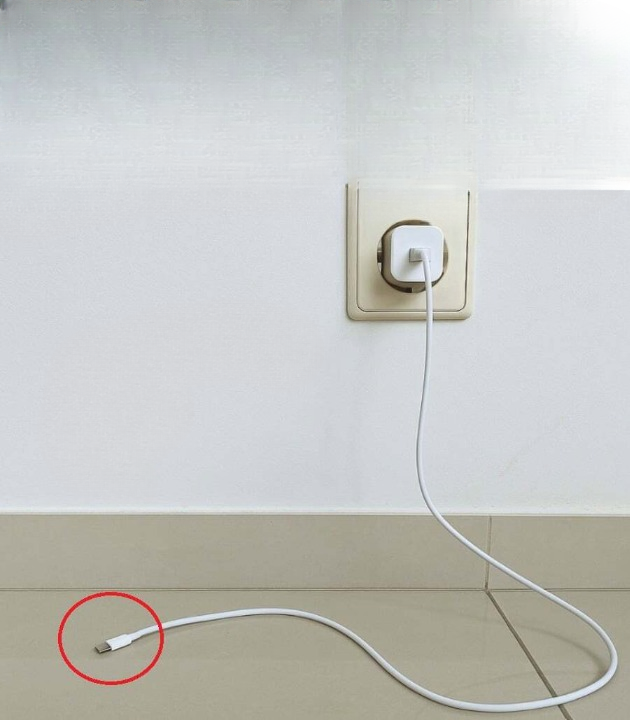
You unplug your phone, grab your things, and leave the room or head out for the day. The charger, still plugged into the wall, remains exactly where it is—quiet, unnoticed, and seemingly inactive.
It has become such a common part of daily life that it almost disappears into the background. Like light switches or wall sockets, it feels permanent and harmless.
However, even when a device is not connected to a phone, a plugged-in charger is not completely “off.” It continues to interact with the electrical system in small but continuous ways that are often overlooked.
Understanding what happens during this idle state helps explain why unplugging chargers is a simple but meaningful habit.
What Happens When a Charger Stays Plugged In
A phone charger that remains plugged into a power outlet continues to draw a very small amount of electricity, even when no device is connected.
This is because internal components inside the charger remain in a standby state. They are still ready to convert electrical current when needed, which requires a minimal but constant flow of energy.
This phenomenon is commonly known as:
- Standby power consumption
- Phantom load
- Vampire energy
Individually, each charger uses a very small amount of electricity in this state. In most cases, it will not noticeably affect a single household’s energy bill.
However, the effect becomes more significant when multiplied across many devices and extended periods of time.
The Bigger Picture: Phantom Energy in Everyday Life
Modern homes are filled with devices that remain partially active even when not in use. These include:
- Phone and laptop chargers
- Televisions in standby mode
- Wi-Fi routers and smart speakers
- Kitchen appliances with digital displays
- Gaming consoles waiting for signals
Each device consumes a small amount of energy continuously.
While one charger or appliance alone has minimal impact, the combined total of all these devices creates a steady, ongoing energy demand in the background of everyday life.
From an environmental perspective, this contributes to unnecessary electricity consumption over time. From a financial perspective, it represents small but cumulative energy loss that could be reduced through simple habits.
Energy Use vs. Real-World Risk
It is important to keep the issue in perspective.
A single modern, certified charger left plugged in is not typically dangerous. The energy usage is low, and most devices are designed to handle long periods of connection safely.
The main concern is not immediate risk, but long-term accumulation of small inefficiencies and potential wear.
However, certain conditions can increase risk over time.
When Chargers Become a Safety Concern
While most chargers operate safely under normal conditions, problems can arise when devices are:
- Poorly manufactured
- Counterfeit or unbranded
- Physically damaged
- Used with incompatible outlets or voltage conditions
In such cases, prolonged connection to power can contribute to:
- Excess heat buildup
- Internal component stress
- Reduced insulation effectiveness
Heat is one of the main factors that affects electronic longevity. Even small increases in temperature over long periods can gradually weaken materials inside electrical devices.
The Importance of Charger Quality and Condition
High-quality chargers are built with safety systems that regulate temperature and electrical flow. They are designed to remain plugged in for long periods without significant risk.
Lower-quality chargers, however, may lack proper safeguards. Over time, this can lead to:
- Faster material degradation
- Reduced heat resistance
- Less stable electrical performance
Visible damage also increases risk. Chargers with:
- Frayed cables
- Cracked casing
- Loose plugs
- Exposed wiring
should not be used, especially not left plugged in for long periods.
Even if they appear to “still work,” internal damage may already be present.
The Role of Electrical Outlets Over Time
It is not only the charger that experiences wear. The wall outlet itself can also be affected by long-term use.
Frequent plugging and unplugging can gradually loosen socket grips. In some cases, a charger left plugged in continuously—especially if heavy or slightly unstable—can place constant pressure on the outlet.
Loose connections can lead to:
- Slight heat buildup
- Reduced electrical stability
- Increased wear on both plug and socket
While these effects develop slowly, they highlight how everyday habits influence electrical safety over time.
Energy Waste in the Modern Home
Beyond safety, one of the most relevant concerns is energy efficiency.
Even small amounts of standby power usage add up when multiplied across:
- Multiple rooms
- Multiple devices
- Continuous daily operation
Individually, the impact is minor. Collectively, it becomes part of a broader pattern of “always-on” consumption in modern households.
This does not mean homes are wasting extreme amounts of electricity from chargers alone. Rather, it reflects a wider shift in how modern technology remains constantly connected to power.
Why the Habit Persists
Despite awareness of standby power, many people still leave chargers plugged in. This is largely due to convenience and routine.
Common reasons include:
- It feels unnecessary to unplug something so small
- Outlets are not always easily accessible
- People assume the charger is inactive
- The habit simply becomes automatic
This makes it less about knowledge and more about daily behavior patterns.
A Simple Habit With Practical Benefits
Unplugging chargers when they are not in use is a small action, but it offers several practical advantages:
- Reduces unnecessary energy consumption
- Minimizes heat exposure over time
- Helps extend charger lifespan
- Slightly improves electrical safety
- Encourages mindful energy habits
It is not a dramatic change, but it is an easy one that requires almost no effort.
Conclusion: Small Actions and Hidden Energy Use
A plugged-in charger may appear inactive, but it remains part of an ongoing electrical system. While the energy involved is small, it represents a broader pattern of invisible consumption present in many modern devices.
The main takeaway is not that chargers are dangerous, but that modern homes are filled with subtle energy use that often goes unnoticed.
Unplugging a charger when it is not needed is a simple habit that reduces waste, supports safety awareness, and encourages more mindful use of technology.
In a world filled with constantly powered devices, even small actions like this contribute to a more efficient and conscious approach to everyday energy use.