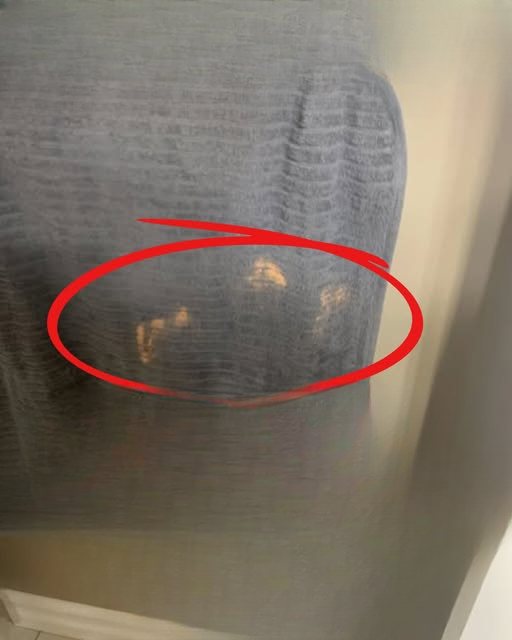
There are few household annoyances as puzzling as pulling a freshly washed towel from the dryer only to find a bright orange mark staring back at you. It’s not the usual coffee spill, makeup smudge, or everyday wear-and-tear discoloration. Instead, it looks almost neon — like a faint highlighter streak embedded in the fabric.
Many people first assume rust from a towel rack, a forgotten cosmetic product, or even a laundry mishap. The natural response? Toss the towel back into the washing machine with extra detergent and hope for the best. But when the towel emerges looking exactly the same — stain intact, color unchanged — confusion sets in.
If this scenario sounds familiar, you’re not alone. Persistent orange stains on towels, pillowcases, and even clothing are surprisingly common. They’re not caused by anything mysterious or supernatural, and they’re rarely the result of poor hygiene. In fact, they usually come from everyday products and environmental factors most households encounter regularly.
Understanding why these stains appear is the first step toward preventing them. Once you know the causes, you can protect your towels — and avoid replacing perfectly good linens unnecessarily.
Let’s break down the most common reasons behind stubborn orange marks and explore practical, fabric-safe solutions.
The Most Common Cause: Benzoyl Peroxide in Skincare Products
One of the leading reasons towels develop orange or bleached-looking spots is an ingredient found in many acne treatments: benzoyl peroxide.
Benzoyl peroxide is widely used in cleansers, spot treatments, and medicated creams designed to treat acne-prone skin. It’s effective because it kills bacteria and helps clear clogged pores. However, what many people don’t realize is that it also acts as a bleaching agent.
Why It Causes Orange Marks
When benzoyl peroxide comes into contact with colored fabric, it doesn’t create a traditional stain. Instead, it removes pigment from the fibers. In other words, it bleaches the material.
On darker towels, the affected areas often appear orange or light rust-colored. That orange tone isn’t actually a new color being added — it’s the remaining base dye after the dominant pigment has been stripped away.
For example:
-
Dark grey towels may turn orange.
-
Navy towels may develop pale yellowish patches.
-
Deep green fabrics may fade to a lighter, uneven tone.
Once this bleaching occurs, the damage is permanent. The original dye has been chemically altered and cannot be restored through washing.
How It Transfers to Towels
You don’t need to spill a bottle of acne cream to cause damage. Even small amounts left on your skin can transfer to fabric. Common scenarios include:
-
Drying your face after applying acne medication.
-
Resting your cheek on a pillowcase.
-
Wiping hands after applying a spot treatment.
Even if the product feels dry, it may still contain active ingredients capable of reacting with fabric.
Prevention Strategies
If you use products containing benzoyl peroxide, consider the following precautions:
-
Use white towels and pillowcases.
Since white fabric has no dye to remove, bleaching effects are far less noticeable. -
Allow products to fully absorb before touching fabric.
Wait several minutes after applying treatments. -
Wash hands thoroughly after applying acne products.
-
Check labels.
Look for benzoyl peroxide in the ingredient list. If you prefer colored towels, you may consider alternative skincare products without bleaching properties.
Understanding this chemical reaction explains why some orange spots seem impossible to remove — because technically, they aren’t stains at all.
Hard Water and Iron: A Hidden Household Factor
Not all orange marks are caused by skincare. In many cases, the culprit is the water itself.
If you live in an area with hard water — particularly homes that rely on well water — iron content may be responsible for rust-colored spots appearing on towels.
How Iron Causes Stains
Iron is a naturally occurring mineral found in soil and groundwater. When iron-rich water interacts with air, it oxidizes, forming rust. That same oxidation can occur in your washing machine.
Tiny iron particles may attach to fabric fibers during washing. Once exposed to oxygen, they create small orange or brownish spots.
Signs of Iron-Related Staining
-
Small, scattered rust-colored dots.
-
More common on white or light-colored towels.
-
Appear after washing, not before.
-
Often affect multiple items in the same load.
Unlike benzoyl peroxide bleaching, these stains result from mineral deposits — which means they may be removable if treated properly.
Solutions for Iron Stains
-
Install a water filter or softener.
Whole-house filtration systems can reduce iron levels significantly. -
Use a laundry rust remover.
Special additives bind to iron particles, helping lift them from fabric. -
Avoid chlorine bleach.
Bleach can react with iron and make stains worse. -
Test your water.
If you suspect high mineral content, a water quality test can confirm the issue.
Addressing the water source prevents recurring stains and protects all laundry — not just towels.
Hair Products and Color-Depositing Shampoos
Haircare products can also play a surprising role in towel discoloration.
Some shampoos and conditioners contain subtle pigments designed to enhance or maintain hair color. Others include ingredients that may react with fabric.
Common Contributors
-
Purple shampoos for blonde or silver hair.
-
Color-refreshing conditioners.
-
Temporary hair dyes.
-
Leave-in treatments.
-
Styling products with tinted formulas.
Even if the product appears clear, small amounts of pigment may transfer during towel-drying.
Self-Tanning Products
Self-tanners and bronzing lotions are another common source of orange marks. These products contain dihydroxyacetone (DHA), which reacts with the skin to produce a tanned appearance. Before fully developing, DHA can transfer to fabrics.
To reduce staining:
-
Wait until self-tanner is completely dry.
-
Use designated “tan towels.”
-
Wash hair towels separately from bath towels.
Designating older towels for hair care routines can protect newer linens from unwanted discoloration.
Cleaning Products That Bleach Without You Realizing
Household cleaning sprays may also contribute to unexpected fabric fading.
Many disinfectants and surface cleaners contain:
-
Hydrogen peroxide
-
Chlorine bleach
-
Oxygen bleach compounds
After cleaning a sink, counter, or mirror, wiping your hands on a towel can transfer residue that reacts with fabric dye.
These marks often resemble benzoyl peroxide damage — irregular pale or orange patches where contact occurred.
To prevent this:
-
Wash hands thoroughly after cleaning.
-
Keep cleaning cloths separate from bath towels.
-
Avoid hanging towels near areas where bleach-based products are sprayed.
How to Identify the Type of Stain
Determining the cause helps you decide whether the towel can be saved.
Chemical Bleaching (Benzoyl Peroxide or Cleaning Products)
-
Larger irregular patches.
-
Often near edges or where hands/face touch.
-
Color looks faded or stripped.
-
Permanent.
Rust or Mineral Stains
-
Smaller, speckled dots.
-
Often appear after washing.
-
May respond to rust-removal treatments.
If you notice repeated damage in similar areas — such as where your face touches a towel — skincare products are likely responsible.
Can Orange Towel Damage Be Reversed?
The answer depends on the cause.
If It’s Bleaching
Unfortunately, dye removal is permanent. Options include:
-
Dyeing the towel a darker shade.
-
Bleaching the entire towel for a uniform look.
-
Repurposing it as a cleaning cloth.
-
Using it as a designated hair towel.
If It’s Rust
Rust stains may be removable with:
-
Commercial rust-removal products safe for fabric.
-
Lemon juice and sunlight (for light fabrics).
-
White vinegar (used cautiously and tested first).
The sooner rust is treated, the better the chance of restoration.
Extended Guide to Proper Towel Care and Maintenance
Preventing stains is just one part of keeping towels in excellent condition. Proper care extends their lifespan, maintains softness, and preserves absorbency.
Below are proven strategies for maintaining high-quality towels.
Avoid Overloading the Washing Machine
Stuffing too many towels into one cycle restricts water circulation. This leads to:
-
Incomplete rinsing.
-
Detergent buildup.
-
Stiff fabric texture.
For best results:
-
Wash towels in medium-sized loads.
-
Allow space for movement.
-
Use appropriate water levels.
Use the Right Amount of Detergent
More detergent does not equal cleaner towels.
Excess soap can leave residue trapped in fibers, contributing to:
-
Reduced absorbency.
-
Musty odors.
-
Faster fabric wear.
Follow manufacturer recommendations and adjust based on load size and water hardness.
Skip Fabric Softener
While fabric softeners create temporary softness, they coat fibers with a waxy layer. Over time, this reduces absorbency.
Instead, consider:
-
Adding white vinegar during the rinse cycle.
-
Using wool dryer balls.
-
Washing towels separately from lint-heavy fabrics.
Dry Towels Properly
High heat can weaken fibers, causing thinning and roughness.
Best practices:
-
Use medium heat settings.
-
Remove towels promptly.
-
Shake towels before drying to fluff fibers.
-
Air-dry occasionally for freshness.
Sunlight can naturally reduce bacteria and odors.
Store Towels Correctly
Improper storage can lead to mildew and musty smells.
Ensure that:
-
Towels are fully dry before folding.
-
Storage areas are ventilated.
-
Damp towels are not left in hampers for long periods.
Rotating towel sets also reduces wear on individual pieces.
Replace Towels at the Right Time
Even with excellent care, towels eventually lose effectiveness.
Signs it may be time to replace:
-
Persistent odors after washing.
-
Reduced absorbency.
-
Thinning fabric.
-
Excessive fraying.
High-quality towels can last several years with proper maintenance.
Creating a Stain-Prevention Routine
Preventing orange stains becomes easier when integrated into daily habits.
Consider implementing:
-
Separate white washcloths for skincare.
-
A designated hair-drying towel.
-
A water test if rust spots are recurring.
-
Regular washing machine cleaning cycles to remove mineral buildup.
Small adjustments can prevent recurring damage and reduce unnecessary linen replacement costs.
Final Thoughts
Orange stains on towels may seem baffling at first, especially when regular washing doesn’t solve the issue. But once you understand the common causes — benzoyl peroxide bleaching, iron in water, haircare product transfer, and cleaning chemical exposure — the mystery becomes manageable.
Some stains represent permanent dye removal, while others can be treated and prevented with the right approach.
The key is awareness.
By choosing appropriate towels for skincare routines, addressing water quality if necessary, and following proper laundry practices, you can significantly extend the life of your linens.
With a few mindful adjustments, your towels can remain soft, fresh, and free of stubborn orange marks — saving both frustration and expense in the long run.