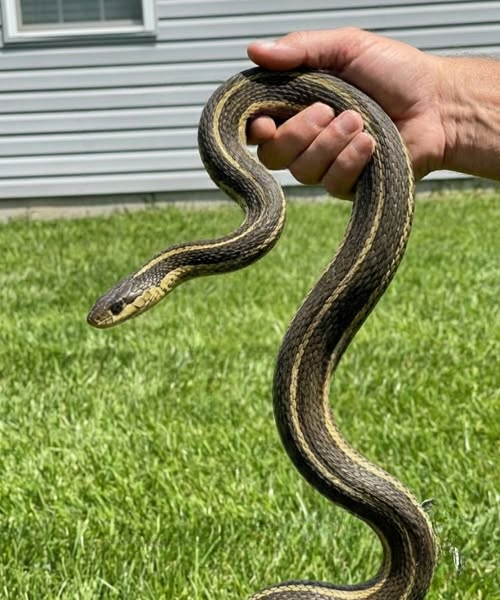
Finding a snake inside your home is one of the most alarming experiences a person can face. The sudden shock of seeing a slithering intruder in a familiar space can trigger panic instantly. But while the reaction is natural, the situation itself is usually far less sinister than it appears. Snakes are not invading homes out of aggression or intent to harm humans. Instead, their presence almost always comes down to survival.
Understanding why snakes enter homes is the first step toward responding safely and preventing future encounters. With calm awareness and the right actions, what feels like a crisis can be managed effectively and without unnecessary danger.
Why Snakes Enter Homes
Snakes typically enter human living spaces for three primary reasons: food, shelter, and environmental conditions.
The most common motivator is food. Snakes are predators, and their presence is often linked to an existing rodent or insect problem. If a home has mice, rats, or other small pests, it essentially becomes an active feeding ground. These animals leave scent trails and hidden nesting areas that snakes can easily detect and follow. In this sense, a snake indoors is often a secondary symptom of a larger pest issue rather than a random intrusion.
Shelter is another major factor. Homes provide quiet, dark, and undisturbed environments that resemble the natural hiding places snakes seek in the wild. Basements, crawl spaces, storage rooms, and cluttered garages are especially attractive. These areas offer protection from predators and human activity, making them ideal temporary refuges.
Weather conditions also play a significant role. During extreme heat, cold, or heavy rain, snakes are forced to seek stable environments. Because they are cold-blooded reptiles, they rely on external temperatures to regulate their body heat. A warm house during winter or a cool, damp basement during summer can unintentionally become a safe haven. In these cases, the snake is not “choosing” a home in a deliberate sense—it is simply responding to survival pressure.
Understanding Snake Behavior
Most encounters involve species that are non-venomous and non-aggressive. Many common snakes actually benefit ecosystems by controlling rodent populations. In fact, from an ecological perspective, snakes are often considered natural pest control agents.
However, identification is difficult for the average person. It is not always possible to distinguish between harmless and dangerous species quickly or safely. This uncertainty is what makes caution essential. The safest assumption in any encounter is that the snake should not be approached or handled.
Importantly, snakes generally avoid humans. Bites usually occur only when a snake feels threatened, cornered, or is intentionally provoked. This means human reaction plays a major role in determining whether the situation escalates.
What to Do If You Find a Snake Indoors
The first and most important step is to remain calm. Panic increases the likelihood of mistakes. Sudden movements or attempts to strike or capture the snake can provoke defensive behavior.
The safest action is to create distance immediately. Step away slowly and avoid blocking the snake’s escape route. If possible, isolate the area by closing doors to contain the snake in one room while ensuring it has space to remain undisturbed. This reduces the risk of it moving unpredictably through the house.
Children and pets should be moved to a secure area immediately. Animals in particular may instinctively chase or provoke a snake, increasing danger for both.
Once the area is secured, professional help should be contacted. Wildlife removal specialists or pest control experts are trained to handle snakes safely and humanely. They have the tools and knowledge to identify the species, remove it without harm, and assess how it entered the home.
Preventing Future Snake Encounters
After removal, prevention becomes the priority. Most snake entries are preventable with basic home maintenance and environmental awareness.
Start by sealing potential entry points. Small gaps around doors, windows, pipes, vents, and foundations can be enough for a snake to squeeze through. Weatherstripping, caulk, and mesh barriers are effective tools for closing these gaps.
Next, reduce environmental attraction. Keeping yards clean and organized is essential. Tall grass, overgrown shrubs, woodpiles, and cluttered storage areas create ideal hiding spots not only for snakes but also for rodents—their primary food source.
Pest control is equally important. Eliminating rodents removes the main reason snakes are drawn to a property in the first place. Without food sources, most snakes will move on naturally.
Some people also use natural deterrents such as strong-scented plants, though these should be viewed as supplementary measures rather than reliable solutions. Physical exclusion and pest management remain the most effective strategies.
The Key Lesson
Encounters with snakes can feel frightening, but they are usually explainable and manageable. In most cases, a snake inside a home is not a sign of danger but a sign of environmental imbalance—often linked to food sources or shelter opportunities.
The most important takeaway is simple: do not panic, do not engage, and do not attempt to handle the situation alone. Calm distance, professional assistance, and preventive maintenance together form the safest and most effective response.
Snakes may appear suddenly, but with the right understanding, they can be dealt with safely—and prevented from returning.