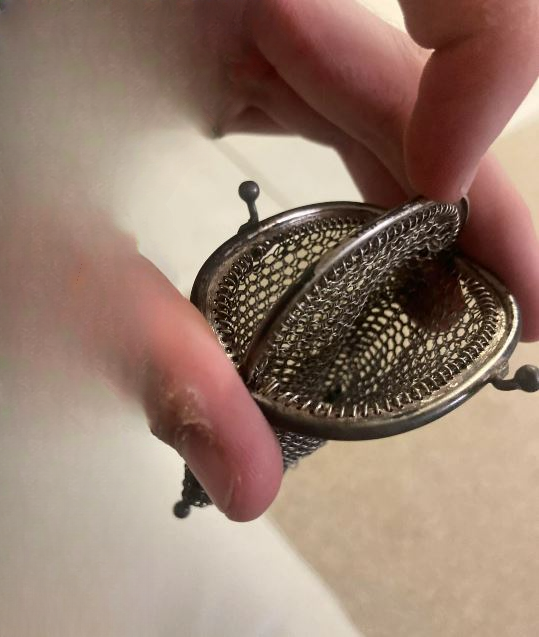
In the late nineteenth century, personal accessories were far more than decorative extras. They were visual statements—carefully chosen symbols that communicated refinement, education, and social position. Among the most admired of these accessories was the Victorian silver purse.
At first glance, an antique silver purse from the Victorian period may seem like a small, delicate object—an elegant container for coins or calling cards. Yet in its time, it carried far greater meaning. It represented financial stability, cultivated taste, and participation in a highly structured social world.
The Victorian era, spanning the reign of Queen Victoria from 1837 to 1901, was marked by industrial expansion, artistic revival movements, and a growing middle class eager to express its aspirations. Within this context, finely crafted silver accessories became important cultural markers.
The Victorian silver purse was not simply a practical item for carrying small essentials. It was a reflection of personal identity, craftsmanship, and social customs. Today, these purses continue to captivate collectors and historians alike, offering insight into a world where even the smallest accessory carried profound symbolic weight.
The Victorian Era: A Time of Ornament and Order
To understand the importance of silver purses during this period, it is helpful to examine the broader cultural environment.
The Victorian era was characterized by:
-
A strong emphasis on social etiquette
-
Clearly defined class distinctions
-
A fascination with ornamentation
-
Rapid industrial growth alongside traditional craftsmanship
-
A revival of Gothic and Rococo artistic influences
As cities expanded and commerce flourished, the middle and upper classes sought ways to display refinement and prosperity. Clothing and accessories became essential tools in communicating one’s place within society.
Every item worn or carried served as a subtle signal. Gloves, parasols, brooches, pocket watches, and handbags were selected carefully to reflect propriety and sophistication.
Within this setting, the silver purse emerged as both functional necessity and refined statement piece.
Craftsmanship: The Art of the Victorian Silver Purse
Victorian silver purses were typically made from sterling silver, prized for its durability and luminous finish. Silversmiths approached their work with extraordinary care, often combining traditional techniques with emerging industrial tools.
Common decorative techniques included:
-
Engraving: Detailed patterns etched into the surface
-
Embossing: Raised designs created through pressure from the reverse side
-
Repoussé: Intricate relief designs formed by hammering from behind
-
Filigree: Delicate, lace-like metalwork
Motifs frequently reflected the artistic tastes of the era. Popular designs included:
-
Floral patterns such as roses and lilies
-
Birds and other natural elements
-
Scrollwork inspired by Rococo revival styles
-
Gothic arches and tracery
-
Geometric patterns emerging later in the century
These purses were not mass-produced in the way modern accessories are today. Even when produced in larger workshops, the detailing often required skilled hand finishing.
The result was an accessory that felt substantial, refined, and deeply personal.
Variety in Form and Function
Victorian silver purses varied in shape and size, reflecting both fashion trends and practical needs.
Some were small and delicate, designed to hang from a chatelaine—a decorative belt hook that held various household tools and personal items. These smaller purses were often used to carry coins or small tokens.
Others were more substantial and featured:
-
Hinged clasps
-
Attached chains
-
Ornate frames
-
Structured compartments
The clasps themselves were often miniature works of art. Some incorporated semi-precious stones, while others featured engraved botanical or symbolic motifs.
Interior linings were typically crafted from soft materials such as silk or velvet. These linings protected coins and delicate items while adding a touch of luxury.
Despite their ornate exteriors, these purses were thoughtfully designed for everyday social use.
Practical Use in Daily Victorian Life
Though decorative, Victorian silver purses were highly functional.
A well-appointed purse might include compartments for:
-
Coins
-
Folded banknotes
-
Calling cards
-
Small personal notes
Calling cards were especially important during the Victorian era. Social visits were often announced through the exchange of these cards, making a purse an essential accessory for formal outings.
Women of means carried these purses to:
-
Afternoon teas
-
Social visits
-
Theatre performances
-
Religious services
-
Public promenades
Displaying a refined accessory during such occasions reinforced one’s social standing. The purse was not only practical—it was part of a carefully curated appearance.
Social Symbolism and Status
Victorian society placed significant importance on visible markers of prosperity and taste.
Possessing a finely crafted silver purse suggested:
-
Financial security
-
Awareness of fashion trends
-
Access to skilled artisans
-
Participation in upper or aspiring middle-class society
While not every Victorian woman owned such an accessory, those who did were often keenly aware of its social implications.
Accessories were frequently given as gifts for significant life events, including:
-
Weddings
-
Anniversaries
-
Milestone birthdays
-
Holiday celebrations
A silver purse presented as a wedding gift symbolized not only elegance but also the promise of stability and prosperity.
Over time, many of these purses became cherished heirlooms, passed down through generations as tangible reminders of family heritage.
The Influence of Artistic Movements
The Victorian era encompassed several artistic movements that influenced accessory design.
Gothic Revival
Inspired by medieval architecture and ornamentation, Gothic Revival elements included pointed arches, intricate tracery, and dramatic patterns. Some silver purses featured subtle references to these motifs.
Rococo Revival
Characterized by flowing curves, elaborate scrolls, and asymmetrical designs, Rococo influences added softness and romance to purse decoration.
Aesthetic Movement
Later in the Victorian period, the Aesthetic Movement emphasized beauty for its own sake. Designs became more refined and stylized, sometimes incorporating Japanese-inspired patterns.
These artistic influences ensured that silver purses were not static in design but evolved alongside broader cultural trends.
Industrialization and Accessibility
The 19th century saw significant advances in manufacturing technology. While many purses were handcrafted, industrial tools allowed for more consistent production of decorative elements.
This shift had two major effects:
-
It made decorative silver goods more accessible to the growing middle class.
-
It allowed artisans to experiment with new techniques and styles.
However, even with industrial advancements, the finishing touches often required human skill.
This blend of machine precision and artisanal craftsmanship gives Victorian silver purses their distinctive character.
Heirlooms and Family Legacy
One of the most enduring aspects of Victorian silver purses is their role as heirlooms.
Because they were made from precious metal and crafted with care, these purses were rarely discarded. Instead, they were:
-
Stored carefully
-
Polished and maintained
-
Passed from mother to daughter
Each transfer added layers of sentimental value. Scratches and wear patterns became part of the object’s story.
Today, discovering a Victorian silver purse in a family collection often sparks curiosity about the lives it once accompanied.
Collectibility in the Modern Era
Antique collectors and historians continue to admire Victorian silver purses for several reasons:
-
Craftsmanship quality
-
Historical significance
-
Decorative appeal
-
Tangible connection to social history
Collectors often examine hallmarks stamped into the silver to determine origin and date. These marks can reveal:
-
The city of manufacture
-
The year of production
-
The identity of the silversmith
Such details add to the historical richness of each piece.
Well-preserved examples are particularly valued, especially when original linings and clasps remain intact.
Caring for Antique Silver Purses
Preserving a Victorian silver purse requires thoughtful care.
Recommended practices include:
-
Gentle cleaning with appropriate silver polish
-
Avoiding abrasive materials
-
Storing in dry environments
-
Protecting fabric linings from moisture
Professional conservation may be advisable for particularly delicate or valuable pieces.
Maintaining these objects ensures that future generations can continue to appreciate their beauty and historical significance.
Beyond Utility: Art in Miniature
Perhaps the most remarkable aspect of the Victorian silver purse is how it transforms utility into art.
At its core, a purse is simply a container. Yet Victorian artisans elevated it into something expressive and symbolic.
The combination of:
-
Precious metal
-
Intricate design
-
Thoughtful functionality
-
Social meaning
creates an accessory that transcends its practical purpose.
Each purse reflects a world in which aesthetics and daily life were closely intertwined.
Cultural Reflection
Studying Victorian accessories offers insight into broader cultural values.
The silver purse reveals:
-
The importance of presentation
-
The interplay between wealth and artistry
-
The role of women in social rituals
-
The significance of material culture
In examining such objects, historians gain a clearer understanding of how identity and status were communicated through everyday items.
A Continuing Fascination
Even in a modern world dominated by minimalist design and digital transactions, Victorian silver purses retain their charm.
They appeal to those who appreciate:
-
Detailed craftsmanship
-
Historical storytelling
-
Decorative elegance
-
Tangible heritage
Museums frequently display such accessories as examples of domestic artistry. Private collectors treasure them for their beauty and narrative depth.
Conclusion: Small Objects, Grand Narratives
The Victorian silver purse stands as more than a decorative relic. It is a reflection of a society deeply invested in symbolism, artistry, and social expression.
Through its intricate metalwork and thoughtful design, it tells a story of:
-
Refinement
-
Craftsmanship
-
Social aspiration
-
Family legacy
Though small in size, it carries the weight of history.
In appreciating these gilded keepsakes, we gain insight not only into Victorian fashion but into the cultural values that shaped an era.
Such objects remind us that even the most modest accessories can hold extraordinary stories—stories of artistry, identity, and the enduring human desire to create beauty in everyday life.