Warm weather invites us outdoors for gardening, hiking, barbecues, and relaxing evenings on the porch. However, along with sunshine and fresh air comes increased activity from insects. While most common pests—such as mosquitoes or ants—are more of a nuisance than a serious concern, some insects require greater awareness. One of these is the assassin bug, sometimes known as the “kissing bug.”
If you’ve heard about assassin bugs and are worried about what to do if you’re bitten, this comprehensive guide will help you understand the facts, respond appropriately, and reduce your risk. With accurate information and timely action, you can protect yourself and your family while continuing to enjoy outdoor life safely.
Understanding the Assassin Bug
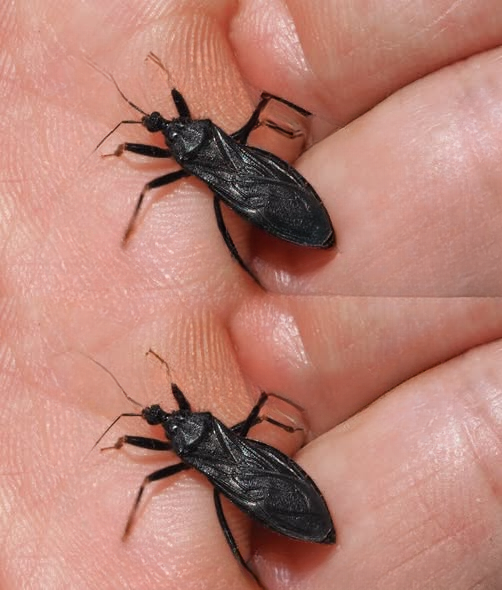
The term “assassin bug” refers to insects in the Reduviidae family. Some species within this group are commonly called “kissing bugs” because they tend to bite near the face while a person is sleeping. These insects are found in parts of North, Central, and South America, and certain species are more common in warmer regions of the southern United States.
Assassin bugs are typically:
-
Dark brown or black
-
Elongated in shape
-
About ½ to 1 inch long
-
Equipped with a long, narrow head and a distinctive beak
They are most active during warmer months and are often attracted to lights at night. Outdoors, they may hide in woodpiles, under porches, in brush, or near animal nesting areas. Occasionally, they may enter homes through small gaps or cracks.
It’s important to note that not every assassin bug carries disease, and not every bite results in illness. However, some species can transmit a parasite that causes a condition known as Chagas disease, which makes awareness and prevention especially important.
Why Assassin Bug Bites Matter
Unlike many biting insects, assassin bugs feed on blood. During feeding, certain species can pass along a parasite called Trypanosoma cruzi. This parasite is associated with Chagas disease, a condition that can affect the heart and digestive system if left untreated.
Transmission does not occur simply from the bite itself. The parasite is typically spread when contaminated insect waste comes into contact with the bite wound, eyes, or mouth. For this reason, proper hygiene after a suspected bite is essential.
Although Chagas disease can be serious, it’s also important to keep perspective:
-
Many bites do not lead to infection.
-
Many people who become infected experience mild or no early symptoms.
-
Early detection and treatment significantly reduce the risk of complications.
Being informed—rather than alarmed—is the best approach.
Recognizing an Assassin Bug Bite
An assassin bug bite may resemble other insect bites. Common characteristics include:
-
A small red bump
-
Mild swelling
-
Itching or irritation
-
Localized tenderness
In some cases, people may not even realize they’ve been bitten.
If infection occurs, early (acute) symptoms of Chagas disease may appear within weeks and can include:
-
Low-grade fever
-
Fatigue
-
Headache
-
Mild swelling at the bite site
-
Skin rash
-
Swelling near the eye (in rare cases)
These symptoms are not unique to Chagas disease and can resemble common viral illnesses. That’s why medical evaluation is important if there’s any concern about exposure.
What to Do Immediately After a Suspected Bite
If you believe you have been bitten by an assassin bug, follow these practical steps:
1. Wash the Area Thoroughly
Clean the bite site as soon as possible using:
-
Warm water
-
Mild soap
Gently rinse and pat dry with a clean towel. Avoid scrubbing harshly, as this may irritate the skin further.
Good hygiene helps reduce the risk of infection and removes potential contaminants.
2. Avoid Scratching
Itching can tempt you to scratch, but doing so may:
-
Break the skin
-
Increase irritation
-
Raise the chance of secondary bacterial infection
If itching is uncomfortable, a cool compress or an over-the-counter anti-itch cream may help. Follow product instructions carefully.
3. Monitor for Symptoms
Over the next few days and weeks, pay attention to your health. Watch for:
-
Persistent fever
-
Unusual fatigue
-
Swelling that worsens
-
Ongoing rash
-
Irregular heartbeat
-
Digestive discomfort
Most insect bites resolve on their own. However, if symptoms develop or you feel unwell, seek medical care promptly.
4. Consult a Healthcare Professional
If you suspect the bite may have come from an assassin bug—especially if you live in or recently visited an area where they are common—schedule an appointment with a healthcare provider.
A doctor may:
-
Review your symptoms
-
Ask about recent travel
-
Order blood tests if necessary
Early diagnosis of Chagas disease makes treatment more effective and helps prevent long-term complications.
Understanding Chagas Disease in More Detail
Chagas disease typically progresses in two phases:
Acute Phase
This occurs shortly after infection and may last several weeks or months. Symptoms may be mild or absent. When present, they may include:
-
Fever
-
Fatigue
-
Swollen lymph nodes
-
Mild swelling at the infection site
In many cases, symptoms resolve without treatment, but the parasite can remain in the body.
Chronic Phase
Months or years later, some individuals may develop complications involving:
-
The heart (irregular rhythm, heart enlargement)
-
The digestive tract (difficulty swallowing, digestive discomfort)
Not everyone infected will develop chronic complications. In fact, many people remain symptom-free for life. However, because serious complications can occur, medical evaluation and monitoring are important.
The key takeaway: early detection greatly improves outcomes.
When to Seek Urgent Care
While most insect bites are mild, seek immediate medical attention if you experience:
-
Difficulty breathing
-
Swelling of the face or throat
-
Severe allergic reaction
-
Chest pain
-
Persistent high fever
These symptoms may not necessarily be related to Chagas disease but require urgent evaluation.
Preventing Assassin Bug Bites
Prevention is always better than treatment. Fortunately, several practical steps can reduce your risk.
1. Maintain a Tidy Yard
Assassin bugs often hide in:
-
Leaf piles
-
Wood stacks
-
Brush and overgrown vegetation
-
Animal nesting areas
To reduce hiding spots:
-
Remove yard debris regularly
-
Store firewood away from the house
-
Trim shrubs and bushes
-
Keep grass cut short
A well-maintained yard is less inviting to many pests.
2. Seal Entry Points
Inspect your home for:
-
Cracks around windows
-
Gaps under doors
-
Openings near pipes
-
Damaged screens
Seal cracks with caulk and repair torn screens. Installing door sweeps can also help prevent insects from entering.
3. Use Outdoor Lighting Strategically
Since assassin bugs are attracted to light:
-
Use yellow “bug lights” outdoors
-
Position lights away from doors and windows
-
Turn off unnecessary lighting at night
This reduces insect activity near entry points.
4. Wear Protective Clothing
When spending time outdoors in areas where assassin bugs are present:
-
Wear long sleeves
-
Choose long pants
-
Tuck pant legs into socks if walking through brush
Light-colored clothing can also make it easier to spot insects.
5. Use Insect Repellent
Choose an EPA-approved insect repellent and follow label instructions carefully. Repellents effective against multiple insects—such as mosquitoes and ticks—may also offer protection in areas where assassin bugs are active.
Never apply repellent over broken skin, and supervise children during use.
Protecting Pets
Dogs and cats that spend time outdoors may encounter assassin bugs. Although pets do not commonly develop serious illness from Chagas disease in many regions, some animals can be affected.
To protect pets:
-
Keep outdoor areas clean
-
Avoid letting pets sleep outdoors near woodpiles or debris
-
Check bedding areas regularly
-
Consult a veterinarian if your pet shows unusual fatigue or heart-related symptoms
Veterinary guidance is especially important in regions where Chagas disease is known to occur in animals.
The Ecological Role of Assassin Bugs
While they can pose health risks, assassin bugs are also part of the natural ecosystem. Many species are beneficial predators that feed on:
-
Mosquitoes
-
Flies
-
Garden pests
They help regulate insect populations and serve as food for birds, reptiles, and other wildlife. Balanced ecosystems rely on complex interactions between species.
This does not mean ignoring potential risks—but rather understanding that responsible prevention is preferable to panic.
Geographic Distribution
In the United States, assassin bugs capable of transmitting Chagas disease are more commonly found in southern states such as:
-
Texas
-
Arizona
-
New Mexico
-
California (southern regions)
However, they have been identified in other areas as well. Climate patterns and environmental changes can influence their range.
Travelers visiting rural or wooded areas in warmer climates should take basic precautions but avoid unnecessary alarm.
Common Myths About Assassin Bugs
Myth 1: Every Bite Causes Chagas Disease
Fact: Only infected bugs can transmit the parasite, and transmission requires specific conditions.
Myth 2: Chagas Disease Is Always Fatal
Fact: Many people never develop severe symptoms. Early treatment significantly reduces risks.
Myth 3: Assassin Bugs Only Live in Dirty Homes
Fact: They can enter well-maintained homes, especially in rural or semi-rural areas.
Accurate information helps reduce fear and supports smart prevention.
Long-Term Health Monitoring
If diagnosed with Chagas disease, follow your healthcare provider’s recommendations carefully. Treatment may include antiparasitic medication, particularly in the early stages.
Ongoing monitoring may involve:
-
Heart function tests
-
Routine checkups
-
Symptom tracking
Modern medical care has improved outcomes significantly when infection is identified early.
Practical Safety Checklist
Here’s a quick-reference checklist:
-
✔ Wash bite areas promptly
-
✔ Avoid scratching
-
✔ Monitor for symptoms
-
✔ Seek medical evaluation if concerned
-
✔ Maintain yard cleanliness
-
✔ Seal home entry points
-
✔ Use protective clothing
-
✔ Apply insect repellent appropriately
Keeping this checklist in mind can help you respond calmly and effectively.
Staying Calm and Informed
It’s easy for online headlines to create anxiety about insects and disease. However, knowledge and preparation are powerful tools. Most encounters with assassin bugs do not result in serious illness.
If you live in an area where these insects are present:
-
Stay informed through reliable public health sources
-
Practice routine home maintenance
-
Consult medical professionals when necessary
Avoid self-diagnosing or relying on unverified information.
Final Thoughts: Awareness Without Fear
Assassin bugs are part of the natural world. While certain species can transmit a parasite associated with Chagas disease, the overall risk remains manageable with awareness and proper response.
The most important steps are:
-
Clean the bite area promptly.
-
Watch for symptoms.
-
Seek medical guidance if concerns arise.
-
Practice preventive home and yard maintenance.
By combining practical prevention strategies with timely medical care, you can greatly reduce potential health risks.
Summer should be a time of enjoyment—not worry. With the right knowledge, you can confidently spend time outdoors, knowing you’re prepared to handle unexpected insect encounters safely and responsibly.
Staying informed, taking simple precautions, and responding promptly when needed ensures that you and your loved ones remain protected while making the most of the warm seasons ahead.