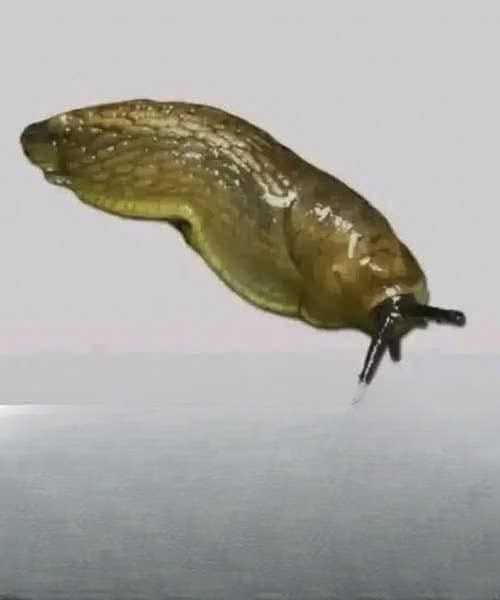
When a slug slowly glides across your patio, garden path, or even your kitchen floor after a rainy evening, your first reaction might be surprise—or even mild disgust. Slugs move quietly, leave behind silvery trails, and appear at unexpected times. Many people see them as nothing more than garden nuisances.
But what if their presence tells a deeper story?
Rather than being meaningless intruders, slugs can reveal important information about your home’s surroundings, your soil quality, local biodiversity, and even indoor moisture conditions. These soft-bodied creatures are part of a delicate ecological balance that supports plant life, wildlife, and soil health.
In this article, we’ll explore what slugs really are, why they show up near homes, what they contribute to the environment, and how you can interpret their appearance in a practical and positive way.
Understanding What a Slug Really Is
A slug is closely related to a snail. In fact, most slugs are essentially land snails without a visible external shell. They belong to the class Gastropoda, a large group of mollusks that also includes sea snails and freshwater snails.
While snails carry prominent shells, slugs either have a very small internal shell or none at all. This difference affects how they move and where they live. Without a heavy shell, slugs can squeeze into tight spaces, hide under debris, and access small garden crevices.
Because their bodies are soft and prone to drying out, slugs thrive in environments that are:
-
Moist
-
Cool
-
Rich in organic material
-
Shaded or covered
Their most recognizable feature is the mucus—often called “slime”—that they produce. This mucus serves several important functions:
-
It allows smooth movement across rough surfaces.
-
It prevents dehydration.
-
It offers mild protection against bacteria and environmental stress.
The silvery trail left behind is simply dried mucus reflecting light. While it may look messy, it’s actually an essential survival tool.
Why Slugs Appear Around Your Home
If you see slugs in your yard, it’s rarely random. They are drawn to environments that support life.
Here are the most common reasons slugs show up:
1. Moist Soil
Slugs require moisture to survive. After rainfall or heavy watering, soil becomes ideal for them to emerge and feed.
2. Organic Matter
They are attracted to decaying leaves, compost piles, mulch, and plant debris. These materials provide both food and shelter.
3. Dense Vegetation
Gardens with thick shrubs, ground cover, or layered plants create cool, shaded spaces that slugs prefer.
4. Mulched Beds
Mulch retains moisture and creates the perfect microclimate for slugs to hide during the day.
If slugs are visiting your yard, it often means your soil is biologically active and rich in nutrients. That’s not necessarily a bad sign.
Slugs as Nature’s Cleanup Crew
One of the most important ecological roles slugs play is decomposition.
Decomposition is the natural process of breaking down dead organic material into nutrients that plants can reuse. Slugs contribute by feeding on:
-
Fallen leaves
-
Dead plant stems
-
Fungi
-
Algae
-
Decaying vegetation
When slugs consume this material, they break it into smaller particles. This makes it easier for bacteria and fungi in the soil to continue the decomposition process.
Without decomposers like slugs, organic debris would accumulate quickly. Nutrients would remain locked inside dead plant material instead of returning to the soil.
In this way, slugs help recycle nutrients and keep ecosystems functioning efficiently.
Soil Health and Nutrient Cycling
Healthy soil isn’t just dirt—it’s a living ecosystem. Beneath your garden’s surface, countless organisms interact:
-
Microbes
-
Fungi
-
Earthworms
-
Insects
-
Beetles
-
Slugs
Each plays a unique role in maintaining fertility.
When slugs digest organic matter, they contribute to nutrient cycling. This process returns essential elements like nitrogen and carbon to the soil in forms that plants can absorb.
Although earthworms often receive more attention, slugs complement their work. Some plant materials are too tough or dry for worms to process easily. Slugs help soften and fragment this material first.
Together, these organisms create loose, fertile soil that supports strong plant growth.
Slugs in the Food Web
Slugs are not just decomposers—they are also prey.
Many animals rely on slugs as a food source, including:
-
Garden birds
-
Toads and frogs
-
Hedgehogs
-
Certain beetles
-
Small mammals
If slugs are present in your yard, it may indicate a functioning local food chain.
For example:
-
Birds feed on slugs during wet mornings.
-
Amphibians hunt them in damp evening conditions.
-
Hedgehogs forage for them at night.
Removing slugs entirely from an ecosystem can disrupt these natural predator-prey relationships.
Balance, rather than elimination, is key.
Slugs as Environmental Indicators
Slugs are sensitive to environmental conditions, especially moisture.
Their presence can signal:
High Humidity
Frequent slug activity often indicates damp air or soil conditions.
Recent Rainfall
Slugs are more visible after rain because moisture allows safe movement.
Adequate Ground Cover
Mulch, leaf litter, and plant coverage create safe hiding spots.
Indoor Moisture Issues
If slugs appear inside your home—especially in basements or crawl spaces—it may signal:
-
Excess humidity
-
Water leaks
-
Foundation cracks
-
Poor ventilation
In this sense, slugs act as natural indicators. Instead of ignoring them, consider checking for moisture sources.
Why Slugs Enter Houses
While slugs prefer outdoor environments, they sometimes enter homes. This usually happens because:
-
Outdoor conditions are too dry, and they seek moisture.
-
There is a small crack or opening in the foundation.
-
Indoor spaces offer damp areas (such as basements).
-
Pet food or organic debris attracts them.
Slugs are not aggressive and do not seek out people. They move slowly and accidentally wander indoors while searching for moisture.
If you notice them inside frequently, it may be worth inspecting:
-
Seals around doors and windows
-
Basement walls
-
Plumbing areas
-
Ventilation systems
Addressing moisture is often more effective than focusing solely on removal.
The Role of Slime: More Than Just a Trail
Slug mucus has attracted scientific attention for years.
This slippery substance helps slugs:
-
Move smoothly across sharp surfaces
-
Retain hydration
-
Protect against bacteria
Researchers have studied similar compounds from snails and slugs for potential applications in:
-
Skin hydration products
-
Wound-healing research
-
Biomedical adhesives
The unique properties of mucus allow it to act both as a lubricant and as a gentle protective barrier.
While this does not mean slugs are medical tools, it highlights how even small creatures can inspire innovation.
Cultural Interpretations of Slugs
Throughout history, various cultures have interpreted natural events symbolically. Seeing a slug might be viewed by some as:
-
A reminder to slow down
-
A symbol of patience
-
A sign of adaptability
While these interpretations are cultural rather than scientific, they reflect how humans often find meaning in the natural world.
From a practical perspective, though, the appearance of a slug usually relates to environmental conditions rather than fate or prediction.
Managing Slugs Responsibly
If slugs begin damaging plants, balanced management methods are recommended.
Environmentally friendly strategies include:
-
Reducing excess mulch thickness
-
Improving drainage
-
Watering plants in the morning instead of evening
-
Encouraging natural predators
-
Hand removal when necessary
Avoid overusing harsh chemical treatments, as they may harm beneficial wildlife and soil organisms.
Remember, a small slug population is normal in healthy gardens.
The Bigger Picture: What a Slug Really Means
When a slug appears near your home, it often indicates:
-
Moist, biologically active soil
-
Organic matter present
-
A functioning local food chain
-
Adequate plant cover
-
Possibly elevated humidity
Instead of seeing slugs only as pests, consider them part of a complex environmental system.
Nature operates through interconnected relationships. Even the smallest creatures contribute to soil fertility, wildlife survival, and ecological balance.
Final Thoughts
A slug gliding across your yard may seem insignificant at first glance. But beneath that slow movement lies a role in decomposition, soil enrichment, and food chain support.
Their presence often signals a living, breathing ecosystem around your home.
Rather than reacting with frustration, take a moment to observe what their appearance might reveal about your environment.
Sometimes, even the quietest visitors carry valuable information.
Understanding the natural world—even in small ways—can deepen appreciation for the delicate systems that support everyday life.