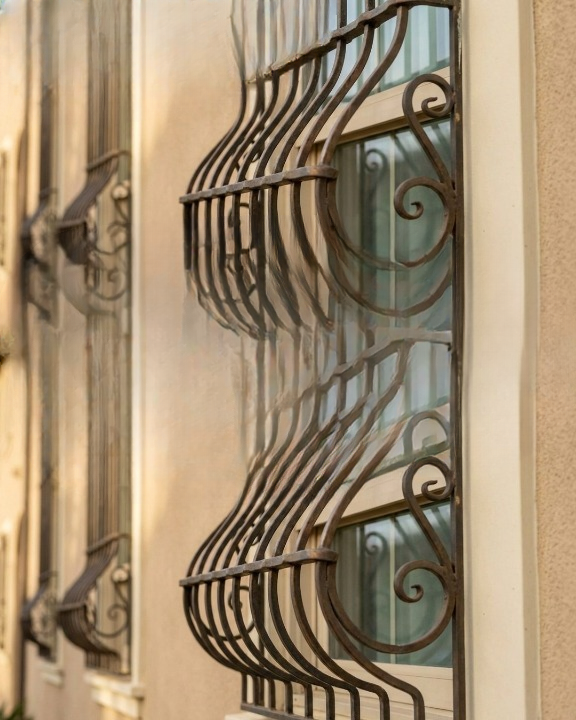
Have you ever walked past a building and noticed that some window grilles don’t sit flat against the glass? Instead, they curve outward slightly at the bottom, forming a small rounded bulge. At first glance, this feature might seem decorative—an architectural flourish added for style. But in many cases, that subtle outward curve serves a very practical purpose.
Window bars, also known as security grilles, have long been used to protect homes and buildings. Over time, their designs have evolved to balance strength, safety, airflow, and even aesthetics. The curved-out section—often informally called a “potbelly”—is one such evolution.
In this article, we’ll explore why some window grilles have a curve at the bottom, how this feature works, and how it blends function with visual appeal. By the end, you’ll see that this small design detail carries more meaning than you might expect.
The Purpose of Window Grilles: A Brief Overview
Before diving into the curved design, it helps to understand the primary purpose of window grilles.
Window bars have been used for centuries as a security feature. Their main role is to:
-
Deter unauthorized entry
-
Reinforce vulnerable openings
-
Add a physical barrier to ground-floor or accessible windows
-
Provide peace of mind to occupants
In many neighborhoods—especially in urban areas—window grilles are a common sight. They’re typically made from strong materials such as steel or wrought iron and are securely anchored to the building’s frame.
While security is the primary goal, design considerations have gradually become part of the equation. Modern homeowners and architects often want protective features that do not make a property feel closed off or unwelcoming. This is where variations like the curved or “potbelly” grille come into play.
What Is a “Potbelly” Window Grille?
A “potbelly” window grille refers to a set of bars that curve outward from the window, usually in the lower half. Instead of lying flat and close to the glass, the grille bows outward, creating a small pocket of extra space between the bars and the windowpane.
This curve may be subtle or pronounced, depending on the design. In most cases, the outward bulge is centered in the middle of the grille and then tapers back toward the frame at the top and bottom.
The result is a cage-like shape that extends slightly beyond the wall’s surface—providing added depth and functionality.
Why Do Some Window Grilles Have a Curve at the Bottom?
There are several practical and aesthetic reasons for this distinctive shape.
1. Supporting Flower Boxes and Planters
One of the most common uses of potbelly window grilles is to hold flower boxes.
The outward curve creates a small ledge or cradle-like space where a planter can rest securely. This allows homeowners to:
-
Add greenery to windows
-
Display seasonal flowers
-
Enhance curb appeal
-
Introduce color and life to a building’s exterior
Without the curved section, placing a flower box on a flat security grille would be unstable and potentially unsafe. The potbelly design provides extra room and support, keeping planters from pressing directly against the glass.
This combination of beauty and practicality is especially popular in residential neighborhoods and historic districts, where decorative ironwork complements architectural style.
2. Making Room for Window Air Conditioning Units
In some buildings, especially older ones, air conditioning units are installed directly into window openings. A flat security grille would block installation or restrict airflow.
A curved grille solves this problem by creating additional space between the bars and the window. This allows:
-
Secure placement of window AC units
-
Adequate ventilation
-
Continued security even with the unit installed
The outward bulge ensures that the air conditioning system has clearance while still being protected by the grille structure. It’s a smart compromise between climate control and safety.
3. Increasing Interior Space Near the Window
In smaller apartments or homes, every inch of interior space matters. A curved grille can create just enough extra room to:
-
Place small items on the windowsill
-
Allow curtains or blinds to hang more naturally
-
Prevent objects inside from pressing directly against the bars
While subtle, this additional space can make a room feel slightly less confined, especially in compact living areas.
4. Enhancing Natural Light and Airflow
A flat grille positioned too close to the glass can sometimes cast stronger shadows indoors. By curving outward, the bars may reduce the visual obstruction slightly and allow light to enter more freely.
Additionally, the extra space can improve airflow when windows are open. This is particularly useful in warmer climates where natural ventilation is important.
Although the difference may not be dramatic, thoughtful spacing can contribute to overall comfort.
5. Improving Visual Appeal
Security features can sometimes appear harsh or imposing. A flat grid of metal bars might give a building a fortress-like appearance.
The curved “potbelly” design softens this look. The rounded shape introduces a sense of craftsmanship and architectural detail. Decorative ironwork can transform a purely functional object into something visually pleasing.
In many cases, potbelly grilles include:
-
Scrollwork
-
Symmetrical patterns
-
Ornamental accents
-
Custom metal designs
This allows homeowners to maintain security without sacrificing charm.
Materials Commonly Used in Curved Window Grilles
The strength and durability of window bars depend largely on the materials used. Potbelly grilles are typically made from:
Steel
Strong, durable, and resistant to impact. Often coated or painted to prevent rust.
Wrought Iron
Known for its classic appearance and ability to be shaped into decorative patterns.
Powder-Coated Metals
Finished with protective coatings to resist weather damage and corrosion.
When choosing materials, homeowners often balance security, aesthetics, and maintenance needs.
Where Are Curved Window Grilles Most Common?
Potbelly-style window bars can be found in a variety of settings:
-
Urban residential buildings
-
Ground-floor apartments
-
Historic homes
-
Townhouses with narrow sidewalks
-
Older buildings retrofitted with security features
In some regions, decorative ironwork is part of the local architectural identity. In others, the design is chosen purely for its practical advantages.
Choosing the Right Window Grilles for Your Home
If you’re considering installing window grilles—curved or flat—it’s important to evaluate several factors.
1. Security Needs
Consider the location of your windows. Ground-floor and basement windows typically require stronger reinforcement than upper floors.
2. Building Codes and Safety
Ensure the design complies with local building regulations. Some areas require quick-release mechanisms for bedroom windows to allow emergency exits.
3. Material Durability
Select corrosion-resistant materials, especially in humid or coastal climates.
4. Aesthetic Fit
Choose a style that complements your home’s architecture rather than overwhelming it.
5. Professional Installation
Proper installation is crucial. Bars must be securely anchored without damaging the structural integrity of the window frame.
Installation and Safety Considerations
While window grilles improve security, they must be installed responsibly.
Important considerations include:
-
Ensuring emergency egress options are available
-
Avoiding designs that could trap occupants during a fire
-
Using tamper-resistant fasteners
-
Consulting professionals if unsure about proper mounting
Security enhancements should always balance protection with occupant safety.
Are Curved Grilles Better Than Flat Ones?
Neither design is universally “better.” The choice depends on specific needs.
Flat grilles may be sufficient when:
-
No additional space is needed
-
The primary goal is simple reinforcement
-
Minimal visual impact is desired
Curved or potbelly grilles may be preferable when:
-
Supporting flower boxes
-
Installing window AC units
-
Adding decorative character
-
Creating extra depth for airflow or light
Ultimately, both designs can offer effective security when properly constructed and installed.
The Blend of Form and Function
One of the most interesting aspects of potbelly window grilles is how they blend form and function. The curve is not just ornamental, yet it is not purely utilitarian either.
It represents thoughtful design—where practical needs intersect with visual harmony.
This balance is an important concept in architecture and home improvement. When protective features integrate seamlessly into design, they enhance both safety and appearance.
Maintenance Tips for Window Grilles
To keep window bars in good condition:
-
Inspect regularly for rust or corrosion
-
Clean dirt and debris from joints and corners
-
Repaint or reseal as needed
-
Check mounting points for stability
Routine maintenance extends lifespan and ensures continued effectiveness.
A Small Detail with a Big Impact
It’s easy to overlook everyday design elements. Yet small features—like the curve at the bottom of a window grille—often have layered purposes.
What may seem like a decorative bulge can:
-
Support vibrant flower displays
-
Allow safe installation of cooling units
-
Improve light and airflow
-
Add architectural character
-
Maintain strong security
That modest outward curve reflects practical thinking shaped by real-world needs.
Final Thoughts: Understanding the Curve
The next time you pass a building with window bars that curve outward at the bottom, you’ll know there’s more to that shape than meets the eye.
The potbelly design is a smart adaptation—one that enhances security while offering versatility and style. It shows how even traditional protective features can evolve to meet changing needs.
In home design, the best solutions often combine safety, practicality, and beauty. Curved window grilles are a clear example of that balance.
Sometimes, the smallest architectural details tell the most interesting stories.