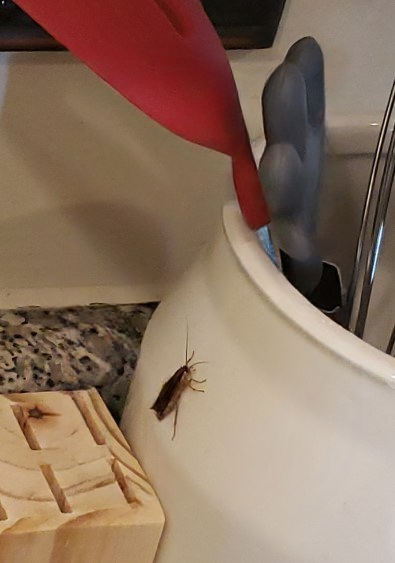
Few household problems feel as unsettling as spotting a cockroach in your kitchen at night. Even if it’s just one, the sight alone can trigger frustration and concern. Cockroaches are among the most resilient pests on the planet, capable of surviving in extreme conditions and adapting quickly to indoor environments. That’s exactly why they can become such a persistent issue once they find a way into a home.
The encouraging part is that you don’t necessarily need expensive extermination services right away. In many cases, a combination of prevention, cleanliness, and safe, consistent habits can significantly reduce cockroach activity—or stop an infestation before it becomes serious.
Understanding how cockroaches think, where they hide, and what attracts them is the foundation of effective control.
Why Cockroaches Enter Homes in the First Place
Cockroaches don’t enter homes randomly. They are driven by three basic survival needs: food, moisture, and shelter. Unfortunately, modern homes naturally provide all three, especially in areas like kitchens, bathrooms, laundry rooms, and basements.
Even small oversights—like crumbs under appliances or a slow plumbing leak—can create the perfect environment for them to thrive.
They commonly enter through:
- Cracks in walls or flooring
- Gaps around doors and windows
- Plumbing and drain openings
- Cardboard boxes or grocery bags brought inside
Because they are nocturnal and highly skilled at hiding, they often go unnoticed until their population increases.
Early Warning Signs You Should Never Ignore
One of the biggest challenges with cockroaches is that you usually see them only after they’ve already settled in.
Common signs include:
- Seeing live cockroaches at night
- Small black droppings in cabinets or drawers
- A mild, musty odor in enclosed areas
- Shed skins or egg casings behind appliances
- Smear marks along walls or corners
Catching these early signs makes a huge difference. The sooner you respond, the easier it is to control the situation without heavy chemical intervention.
Why a Safe, Budget-Friendly Approach Matters
When people discover cockroaches, it’s tempting to immediately reach for strong chemical sprays or harsh treatments. While those can work, they aren’t always necessary—and they can pose risks if used incorrectly, especially in homes with children, pets, or food preparation areas.
A safer approach focuses on:
- Reducing attractants
- Blocking entry points
- Improving cleanliness
- Using low-risk deterrents when needed
This strategy doesn’t just eliminate pests—it makes your home less inviting to them in the long term.
Where Cockroaches Love to Hide
Cockroaches are experts at staying out of sight. They prefer tight, dark, and humid spaces where they won’t be disturbed.
Common hiding spots include:
- Under kitchen sinks
- Behind refrigerators and stoves
- Inside cabinet corners
- Bathroom pipe openings
- Basement storage areas
- Cluttered cardboard boxes
Knowing these hotspots helps you focus your cleaning and prevention efforts more effectively.
Prevention: The Most Powerful Tool You Have
If there’s one truth about cockroach control, it’s this: prevention is far more effective than treatment.
1. Keep Food Areas Clean
Even tiny food particles can sustain cockroaches. Wipe down counters daily, clean spills immediately, and avoid leaving food uncovered overnight.
2. Store Food Properly
Use sealed containers for pantry staples like cereal, flour, sugar, and pet food. Cardboard boxes are not secure enough and can attract pests.
3. Take Out Trash Regularly
Garbage is one of the biggest attractants. Make sure bins are sealed and emptied frequently, especially in the kitchen.
4. Fix Leaks and Reduce Moisture
Cockroaches can survive without food for weeks, but they cannot survive long without water. Repair dripping faucets and eliminate standing water.
5. Seal Entry Points
Use caulk or weather stripping to close gaps around windows, doors, pipes, and baseboards. Even small cracks can serve as entryways.
Safe and Budget-Friendly Control Methods
Once prevention is in place, additional steps can help reduce existing activity.
Some homeowners use simple bait-style approaches placed carefully in inaccessible areas. While DIY methods vary, the key principle is always safety—especially keeping anything out of reach of children and pets and away from food surfaces.
Natural deterrents such as non-toxic cleaning solutions or plant-based repellents may also help discourage activity when used consistently.
The goal is not just to eliminate visible insects, but to disrupt their ability to survive and reproduce indoors.
Why Consistency Is Essential
One of the most common mistakes people make is stopping too early. Cockroach eggs can survive many treatments, which means new insects may appear even after initial cleaning efforts.
Effective control requires:
- Repeated cleaning routines
- Ongoing monitoring
- Adjustments when needed
Consistency is what turns short-term improvement into long-term success.
The Role of Cleanliness in Long-Term Prevention
Cleanliness isn’t just about appearance—it directly impacts whether cockroaches can survive in your home.
Helpful habits include:
- Washing dishes immediately after use
- Sweeping or vacuuming regularly
- Cleaning behind and under appliances
- Avoiding cluttered storage areas
A clean environment removes food sources and hiding places, making survival much harder for pests.
When It’s Time to Call a Professional
While many mild infestations can be managed at home, there are situations where professional help is the best option.
Consider contacting a licensed pest control expert if:
- You see cockroaches frequently during the day
- DIY methods aren’t reducing activity
- You suspect a large infestation behind walls or appliances
Professionals can identify the source of the problem and apply targeted treatments that are not easily available for home use.
Common Mistakes to Avoid
Even well-intentioned efforts can fail if certain mistakes are made:
- Ignoring early warning signs
- Relying only on sprays without prevention
- Leaving cluttered or damp areas untreated
- Inconsistent cleaning routines
Addressing both the pests and the environment they rely on is essential.
Building a Cockroach-Resistant Home
The most effective long-term strategy is creating an environment that simply isn’t attractive to cockroaches.
That means:
- Dry conditions
- Clean surfaces
- Sealed entry points
- Organized storage spaces
When these conditions are consistently maintained, cockroaches struggle to survive or return.
Final Thoughts: Small Habits Create Lasting Protection
Cockroach control doesn’t have to be expensive or overwhelming. In fact, the most successful approaches are often the simplest ones applied consistently over time.
By focusing on prevention, maintaining cleanliness, and addressing moisture and entry points, you can significantly reduce the likelihood of infestation.
It’s not about quick fixes—it’s about creating a home environment where pests no longer find what they need to survive.
And once that balance is achieved, your home becomes not just cleaner, but genuinely more comfortable and secure.