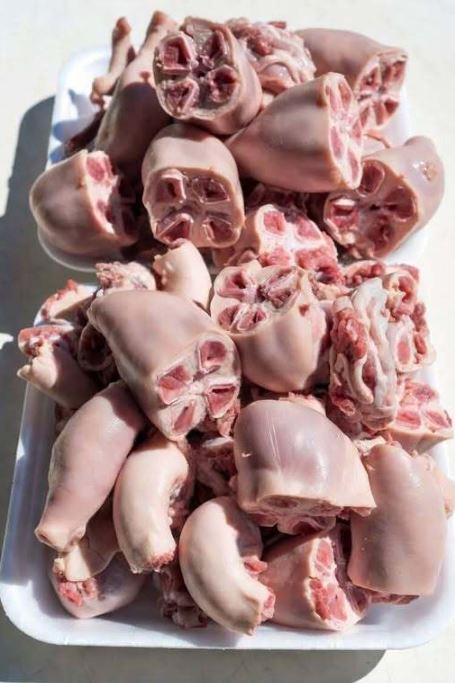
Walking through the meat section of a modern supermarket can feel reassuring. The shelves are bright, the packaging looks clean and professional, and the beef itself appears perfectly fresh with its vivid red color and neatly trimmed cuts. For most shoppers, that visual presentation creates an automatic sense of trust.
But appearances can be surprisingly misleading.
Behind the polished packaging and marketing labels, much of the beef sold in grocery stores comes from large-scale industrial systems designed primarily for speed, efficiency, and maximum profit. While these systems help keep prices relatively low, they often raise serious concerns about nutrition, environmental impact, animal welfare, and transparency.
As consumers become more aware of where their food comes from, many are starting to reconsider the difference between supermarket beef and farm-raised meat. What initially seems like a simple purchasing decision actually connects to much larger issues involving personal health, sustainable agriculture, local economies, and the future of food production itself.
Choosing farm-raised beef is no longer just about taste or supporting small farms. For many people, it represents a conscious decision to prioritize quality, transparency, and long-term well-being over convenience alone.
The Hidden Reality Behind Most Supermarket Beef
Much of the beef found in supermarkets originates from concentrated animal feeding operations, commonly known as CAFOs. In these industrial systems, cattle are raised in confined spaces where efficiency and rapid weight gain are prioritized above nearly everything else.
Rather than grazing naturally on open pasture, many cattle are fed grain-heavy diets specifically designed to increase growth as quickly as possible. These feeding systems help produce large amounts of beef at lower costs, but they also create several trade-offs that consumers rarely see when looking at packaged meat in the store.
The bright red appearance many shoppers associate with freshness can also be misleading. Some packaging methods use gases such as carbon monoxide to preserve the meat’s color for longer periods. While approved for use in food packaging, this process can make older meat continue appearing visually fresh even after significant time has passed.
Farm-raised beef, by contrast, often comes from smaller operations where animals are raised with greater access to pasture, cleaner environments, and more natural feeding practices. The difference affects not only the ethical side of production but also the nutritional quality and flavor of the meat itself.
Why the Way Cattle Are Raised Matters Nutritionally
The diet and environment of cattle directly influence the nutritional composition of beef.
Grass-fed and pasture-raised cattle generally produce meat that differs significantly from conventionally raised feedlot beef. Research has shown that pasture-raised beef often contains:
- Higher levels of omega-3 fatty acids
- Increased amounts of conjugated linoleic acid (CLA)
- More antioxidants
- Higher concentrations of vitamins A and E
- Lower overall fat content
Omega-3 fatty acids are particularly important because they help support heart health and reduce inflammation throughout the body. Modern diets already tend to contain excessive omega-6 fatty acids, which are more common in grain-fed beef. Maintaining a healthier balance between omega-3 and omega-6 fats is associated with better long-term health outcomes.
Conjugated linoleic acid, commonly referred to as CLA, has also attracted attention for its potential role in supporting metabolism and overall wellness.
While beef should still be consumed in moderation as part of a balanced diet, many nutrition experts agree that the quality of meat matters greatly.
Reduced Exposure to Antibiotics and Hormones
Another major concern surrounding industrial beef production involves the widespread use of antibiotics.
In large feedlot systems, antibiotics are frequently administered not only to treat illness but also to prevent disease in crowded conditions and, historically, to promote faster growth. Overuse of antibiotics in agriculture has contributed to growing concerns about antibiotic resistance, which public health experts consider a serious global issue.
Many smaller farm-raised operations avoid routine antibiotic use entirely unless medically necessary.
Similarly, some consumers choose farm-raised beef specifically to avoid exposure to added growth hormones commonly used in conventional cattle production systems.
For families focused on cleaner food choices and long-term health, these distinctions can play an important role in purchasing decisions.
Transparency Builds Trust
One of the biggest differences between local farm-raised beef and supermarket meat is transparency.
When purchasing directly from a local farm or trusted butcher, consumers often have the ability to ask questions such as:
- What were the cattle fed?
- Were they pasture-raised?
- Were antibiotics used?
- How were the animals treated?
- Where was the meat processed?
This level of traceability creates a stronger connection between consumers and the food they eat.
In contrast, supermarket beef often passes through long and highly complex supply chains. Ground beef, for example, may contain meat from multiple animals sourced from different regions or even different countries.
Labels can sometimes create additional confusion. Terms such as:
- “Natural”
- “Farm Fresh”
- “Premium”
may sound reassuring but often have limited regulatory meaning.
This lack of clarity is one reason many shoppers are turning toward local food systems where sourcing and production methods are easier to verify.
Environmental Concerns Are Becoming Harder to Ignore
Industrial beef production has also become a major topic in discussions about environmental sustainability.
Large feedlot systems contribute significantly to:
- Greenhouse gas emissions
- Water pollution
- Soil degradation
- Deforestation
- Heavy fertilizer and pesticide use
The environmental footprint of industrial agriculture extends far beyond the farms themselves.
Regenerative and pasture-based farming systems aim to reduce many of these impacts through practices such as rotational grazing, which can help improve soil quality, reduce erosion, and support healthier ecosystems.
Healthy grasslands also play a role in carbon storage, making sustainable grazing practices an important part of broader environmental conversations.
Additionally, purchasing locally raised beef often reduces transportation distances, lowering the carbon footprint associated with long-distance food distribution.
Animal Welfare Matters to Many Consumers
For many people, ethical concerns are just as important as nutrition.
Industrial feedlots often house cattle in crowded environments where animals have limited ability to engage in natural behaviors. The focus on efficiency can lead to stressful conditions that many consumers find troubling once they learn more about them.
Smaller pasture-based farms generally allow cattle greater access to open land, natural grazing, and lower-stress environments.
While no farming system is perfect, many consumers feel more comfortable supporting operations that prioritize humane treatment and responsible stewardship.
The growing interest in ethically raised food reflects a broader shift in consumer values toward sustainability, transparency, and compassion.
Why Cheap Meat May Carry Hidden Costs
At first glance, supermarket beef often appears to offer the best value because of its lower price.
But critics argue that the true costs of industrial meat production are often hidden elsewhere through:
- Environmental damage
- Public health concerns
- Antibiotic resistance
- Poor animal welfare
- Economic pressure on small farms
Meanwhile, local family farms frequently struggle to compete against massive industrial operations capable of producing meat at enormous scale.
Every purchase consumers make helps shape the future of the food system.
Supporting farm-raised beef can help strengthen local economies while encouraging more sustainable agricultural practices.
Tips for Choosing Better Beef
For shoppers interested in finding higher-quality meat, a few simple strategies can help:
Look for Clear Certifications
Reliable labels may include:
- “100% Grass-Fed”
- “Pasture-Raised”
- Animal Welfare Approved (AWA)
- American Grassfed Association (AGA) certifications
Buy From Local Farms When Possible
Farmers markets, local butchers, and direct farm sales often provide more transparency and fresher products.
Ask Questions
Responsible producers are usually happy to explain their practices and answer questions about animal care and feeding methods.
Avoid Misleading Marketing Terms
Words like “natural” or “farm fresh” do not always guarantee meaningful standards.
Consider Bulk Purchases
Buying larger quantities directly from local farms can sometimes reduce overall costs while ensuring consistent quality.
Why Consumer Choices Matter
Food purchasing decisions may feel small in the moment, but collectively they shape agricultural systems, market demand, and long-term industry practices.
As more consumers prioritize:
- Transparency
- Sustainability
- Animal welfare
- Nutrition
- Local economies
the demand for responsibly raised food continues to grow.
That shift encourages farms and food producers to adapt toward practices that better align with public concerns about health and sustainability.
Final Thoughts
The next time you walk through the supermarket meat aisle, it may be worth looking beyond the bright packaging and polished labels.
The difference between industrial supermarket beef and responsibly farm-raised meat involves far more than appearance alone. It reflects deeper questions about nutrition, environmental stewardship, ethical farming, and the kind of food system consumers want to support moving forward.
Farm-raised beef may sometimes cost more upfront, but many people believe the long-term benefits—better quality, greater transparency, stronger local communities, and more sustainable practices—make the investment worthwhile.
Because in the end, food is never just food.
Every purchase supports a process, a system, and a set of values.
And for many families today, choosing farm-raised beef is becoming about far more than what’s on the plate—it’s about the future they want to help create.