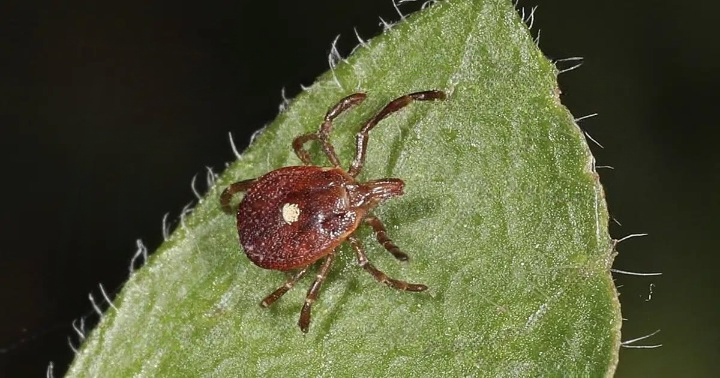
Few outdoor experiences trigger panic faster than discovering a tick attached to your skin. One moment you are enjoying a hike, gardening in the backyard, or walking the dog through tall grass — and the next, you notice a tiny parasite embedded in your arm or leg. Among the many species of ticks found across the United States, one of the most concerning is the lone star tick.
Recognizable by the small white dot on the back of adult females, the lone star tick has earned a reputation for being unusually aggressive and potentially linked to several serious health concerns. Unlike some ticks that passively wait for hosts to brush past them, lone star ticks are active hunters capable of moving toward people and animals.
That behavior alone makes encounters more common — and far more unsettling.
Fortunately, finding a lone star tick does not automatically mean you will become sick. What matters most is how quickly and correctly you respond. Acting calmly, removing the tick properly, and monitoring for symptoms can dramatically reduce potential complications.
Here is everything you need to know about identifying lone star ticks, removing them safely, recognizing warning signs, and preventing future bites.
What Is a Lone Star Tick?
The lone star tick is most easily identified by the single bright white spot located on the back of adult females. Males lack the distinct central dot but may still display lighter markings around their bodies.
These ticks are commonly found in:
- Wooded areas
- Tall grass
- Brush-covered trails
- Overgrown yards
- Areas near deer or wildlife activity
Originally concentrated in the southeastern United States, lone star ticks have expanded their range significantly over recent decades and are now found across much of the eastern and central United States.
One reason they are particularly concerning is their aggressive feeding behavior. Unlike many other ticks that remain stationary while waiting for hosts, lone star ticks actively seek out movement, heat, and carbon dioxide.
In simple terms, they may actually move toward you.
Why Lone Star Ticks Matter
Lone star ticks are associated with several illnesses and allergic reactions, including:
- Ehrlichiosis
- Southern Tick-Associated Rash Illness (STARI)
- Tularemia
- Alpha-gal syndrome
One of the most unusual conditions connected to lone star tick bites is alpha-gal syndrome, a potentially life-changing allergy to red meat and certain animal products.
In some people, a bite from this tick can trigger an immune response that causes the body to react to a sugar molecule found in mammal meat. Symptoms may appear hours after eating beef, pork, lamb, or other mammalian products.
Not every lone star tick bite causes illness or allergic reactions. However, because the risks are real, quick action is important.
Step 1: Stay Calm and Remove the Tick Quickly
Discovering a tick attached to your skin can feel alarming, but panic often leads to mistakes during removal.
The most important thing is to remove the tick as soon as possible.
The longer a tick remains attached, the greater the potential for disease transmission.
How to Remove a Tick Safely
The safest removal method involves using fine-tipped tweezers.
Follow these steps carefully:
- Use clean, fine-tipped tweezers
- Grasp the tick as close to the skin’s surface as possible
- Pull upward slowly and steadily
- Avoid twisting, jerking, or crushing the tick
Twisting can cause the tick’s mouthparts to break off and remain embedded in the skin, increasing irritation and infection risk.
Once removed:
- Clean the bite area thoroughly with soap and water
- Use rubbing alcohol if available
- Wash your hands carefully
Avoid dangerous home remedies such as:
- Burning the tick
- Applying nail polish
- Using petroleum jelly
- Smothering it with oils
These methods may stress the tick and increase the chance of pathogen transmission.
Step 2: Save the Tick Instead of Throwing It Away
Many people instinctively flush or crush ticks immediately after removal. However, saving the tick can actually help if symptoms develop later.
Place the tick in:
- A sealed plastic bag
- A small container
- Tape folded over paper
Label it with:
- The date of the bite
- The location where exposure occurred
- The body area where the tick was attached
If illness develops later, healthcare providers may use this information to help assess your risk.
Step 3: Monitor Yourself Carefully for Symptoms
Symptoms linked to tick bites do not always appear immediately. Some illnesses may develop days or even weeks later.
Watch closely for:
- Fever
- Fatigue
- Muscle aches
- Headaches
- Rash or unusual redness
- Swollen lymph nodes
- Joint pain
In cases of alpha-gal syndrome, symptoms may include:
- Hives
- Stomach pain
- Nausea
- Difficulty breathing
- Reactions after eating red meat
If you experience unusual symptoms following a tick bite, contact a healthcare provider promptly.
Early diagnosis often improves treatment outcomes significantly.
Understanding Alpha-Gal Syndrome
One reason lone star ticks have received increased public attention is because of alpha-gal syndrome.
Unlike traditional food allergies that trigger immediate reactions, alpha-gal reactions often occur several hours after consuming mammalian meat products.
This delayed reaction can make diagnosis confusing and difficult.
Some affected individuals report reactions after eating:
- Beef
- Pork
- Lamb
- Venison
- Dairy products in severe cases
Symptoms can range from mild digestive discomfort to life-threatening anaphylaxis.
Researchers continue studying why some individuals develop the condition while others do not.
How to Protect Yourself Outdoors
Prevention remains the best defense against tick bites.
Whenever spending time outdoors in wooded or grassy areas:
Wear Protective Clothing
- Long sleeves
- Long pants
- Closed shoes or boots
- Light-colored clothing to spot ticks more easily
Tucking pants into socks may not look fashionable, but it creates an effective physical barrier.
Use Tick Repellents
Effective repellents include:
- DEET
- Picaridin
- Permethrin-treated clothing
Permethrin should only be applied to clothing and gear — never directly to skin.
Perform Tick Checks Immediately
After returning indoors:
- Check your entire body carefully
- Pay attention to hidden areas:
- Behind knees
- Under arms
- Around ears
- Along hairlines
- Around the waist
Children and pets should also be checked thoroughly.
Showering soon after outdoor exposure may help remove unattached ticks before they bite.
Making Your Yard Less Attractive to Ticks
Tick prevention should not stop at personal protection. Your property itself may unintentionally attract ticks.
To reduce risk around the home:
- Keep grass short
- Remove leaf piles
- Trim overgrown vegetation
- Eliminate brush and debris
- Stack firewood neatly away from living areas
Creating gravel or wood-chip borders between wooded areas and lawns can also help reduce tick migration into recreational spaces.
If tick populations are severe, professional pest-control treatments may be worth considering.
Pets and Tick Exposure
Dogs and outdoor cats can easily carry ticks into the home.
Protect pets by:
- Using veterinarian-approved tick prevention products
- Checking fur regularly
- Paying close attention after walks or outdoor play
Ticks often hide around:
- Ears
- Necks
- Toes
- Under collars
Keeping pets protected also reduces the risk of ticks spreading indoors.
Why Tick Awareness Matters More Than Ever
Tick populations have expanded significantly in recent years due to changing climate conditions, increased wildlife populations, and suburban development near wooded areas.
As human activity overlaps more with natural habitats, encounters are becoming increasingly common.
That makes awareness and prevention more important than ever.
Understanding how to respond properly can prevent panic while helping protect your health.
Final Thoughts
Finding a lone star tick attached to your skin can be frightening, but knowledge and quick action make an enormous difference.
The key steps are simple:
- Remove the tick safely and promptly
- Save it for possible identification
- Monitor for symptoms carefully
- Take prevention seriously moving forward
Most tick bites do not result in serious illness, but ignoring symptoms or delaying treatment can increase risks.
With proper awareness, outdoor activities can still be enjoyed safely without constant fear.
Nature will always contain hidden risks — but preparation, caution, and knowledge remain some of the most powerful tools for staying protected.