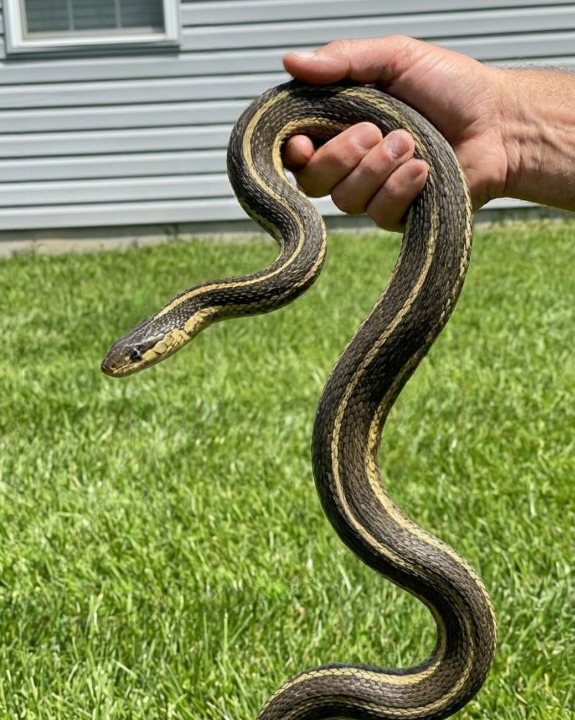
Few things can ruin a peaceful afternoon outdoors faster than spotting a snake slithering through the grass. Whether you’re gardening, relaxing on the patio, or watching children and pets play in the backyard, an unexpected snake encounter can instantly create fear and anxiety. Even though most snakes are harmless and prefer avoiding humans altogether, many homeowners understandably want to keep them as far away from their property as possible.
The good news is that preventing snakes from settling into your yard does not require dangerous chemicals, aggressive traps, or harmful extermination methods. In fact, many of the most effective snake prevention techniques are simple, affordable, and completely safe for children, pets, and the environment.
Snakes usually enter residential spaces for one of three reasons: food, shelter, or water. If your yard provides easy access to any of those things, it can unintentionally become attractive to them. Fortunately, small changes to your landscaping and outdoor habits can make a dramatic difference.
Here are eight practical and humane ways to discourage snakes from entering your yard while keeping your outdoor spaces safe, clean, and comfortable year-round.
1. Eliminate Easy Food Sources
One of the biggest reasons snakes appear near homes is because prey animals are already present. Snakes commonly feed on rodents, frogs, insects, birds, and small animals. If your yard attracts mice or rats, snakes may eventually follow.
Bird feeders are one of the most overlooked contributors to this problem. While birdseed itself doesn’t attract snakes directly, spilled seed attracts rodents, which then attract snakes. Fallen fruit beneath trees can create the same issue.
To reduce food sources:
- Clean fallen birdseed regularly
- Store pet food indoors
- Secure garbage cans tightly
- Keep compost bins sealed
- Remove fallen fruit from trees quickly
Reducing rodent activity alone can significantly lower the chances of snakes visiting your property.
2. Plant Natural Snake-Repelling Vegetation
Certain plants may help discourage snakes because of their strong scent or dense texture. One of the most commonly recommended options is lemongrass.
Lemongrass produces a powerful citrus aroma that many people enjoy but snakes tend to avoid. It also serves another useful purpose by helping repel mosquitoes and other insects.
Other commonly suggested snake-deterring plants include:
- Marigolds
- Garlic
- Onion
- Wormwood
- Mother-in-law’s tongue
While plants alone will not completely eliminate snakes, combining them with other prevention strategies can strengthen your overall defense.
3. Use Safe Citrus-Based Repellents
Strong citrus scents may discourage snakes from lingering around patios, decks, porches, and entryways. Instead of buying expensive chemical sprays, many homeowners create simple homemade repellents using lemon or orange peels.
A basic natural spray can be made by:
- Soaking citrus peels in warm water overnight
- Straining the liquid into a spray bottle
- Spraying outdoor surfaces regularly
This method is inexpensive, environmentally friendly, and much safer than harsh commercial repellents around children and pets.
Although natural sprays require frequent reapplication, they can help create an unpleasant environment for snakes without harming them.
4. Keep Your Yard Clean and Trimmed
Snakes love hidden, shaded areas where they can stay cool and protected from predators. Overgrown grass, wood piles, thick bushes, and cluttered corners create ideal hiding spots.
One of the simplest ways to make your property less attractive to snakes is to remove those sheltered environments.
Important yard maintenance steps include:
- Mowing grass regularly
- Trimming shrubs and hedges
- Removing piles of leaves or debris
- Storing firewood off the ground
- Keeping landscaping neat and open
A clean yard not only discourages snakes but also reduces rodents, insects, and other pests that snakes may hunt.
Open spaces make snakes feel vulnerable, which encourages them to move elsewhere.
5. Seal Gaps Around Your Home
Even small openings around your house can provide snakes with access to crawl spaces, garages, basements, or sheds.
Inspect your home carefully for:
- Cracks in the foundation
- Gaps beneath doors
- Torn window screens
- Open utility pipe spaces
- Loose siding or vents
Using weather stripping, mesh screens, caulk, or sealant can help close off potential entry points.
This step is especially important because snakes often seek cooler or darker indoor spaces during periods of extreme heat or weather changes.
Preventing entry is much easier than trying to remove a snake once it gets inside.
6. Choose Natural Repellents Instead of Harsh Chemicals
Many commercial snake repellents contain chemicals that can be dangerous to pets, children, and beneficial wildlife. Natural alternatives are often safer and surprisingly effective.
One popular homemade solution combines:
- Cinnamon oil
- Clove oil
Mixing equal parts of these oils with water creates a spray that can be applied around decks, patios, fences, and foundations.
The strong scent irritates snakes’ sensory systems and may encourage them to avoid treated areas.
Because these oils are concentrated, always use them carefully and avoid excessive application near sensitive pets.
Natural methods work best when combined with habitat control and yard maintenance rather than used alone.
7. Use Mothballs With Extreme Caution
Some homeowners place mothballs around foundations or sheds to discourage snakes. While mothballs may have some repellent effect, they also contain toxic chemicals that can pose serious risks.
Mothballs can be harmful if:
- Inhaled excessively
- Touched frequently
- Ingested by pets or children
Because of these dangers, many experts discourage widespread outdoor use.
If you choose to use mothballs:
- Keep them far from pets
- Place them only in controlled areas
- Never scatter them openly around the yard
Safer natural alternatives are generally preferred for households with animals or small children.
8. Relocate Snakes Humanely If Necessary
Despite prevention efforts, snakes may occasionally still appear. If you encounter one, the safest approach is usually to leave it alone and allow it to move away naturally.
Most snakes are non-aggressive unless threatened.
If removal becomes necessary, humane snake traps can help relocate the animal safely without injury.
After capture, snakes should be released far from residential areas in appropriate natural environments where they can survive safely.
For venomous snakes or situations where identification is uncertain, contacting wildlife professionals or animal control is strongly recommended.
Attempting to handle unknown snakes yourself can be extremely dangerous.
Why Snakes Matter More Than Most People Realize
Although many people fear snakes, they actually play an important role in the ecosystem. Snakes help control rodent populations naturally, reducing mice, rats, and other pests that can damage homes and spread disease.
In many environments, snakes act as natural pest management without the need for chemicals or traps.
The goal should not necessarily be to eliminate snakes entirely from the environment, but rather to discourage them from settling too close to living spaces where people and pets may encounter them unexpectedly.
Understanding Fear Versus Reality
Part of what makes snakes so unsettling is the unpredictability of encountering them. Their quiet movement and sudden appearance often trigger immediate fear responses.
However, most species found around residential areas are harmless and actively avoid confrontation.
Learning basic snake safety can help reduce panic:
- Never corner or provoke a snake
- Keep pets supervised outdoors
- Watch where you step in tall grass
- Use a flashlight outdoors at night
- Teach children to avoid touching wildlife
Simple awareness often prevents accidents more effectively than aggressive control methods.
The Bottom Line
Keeping snakes away from your yard does not require harmful chemicals or dangerous tactics. In most cases, prevention comes down to making your property less attractive by removing food sources, reducing hiding spots, sealing entry points, and using safe natural deterrents.
By combining several of these strategies, homeowners can dramatically reduce unwanted snake encounters while still respecting the important role snakes play in nature.
A clean, well-maintained yard is not only safer for your family and pets—it is also far less inviting to unwanted wildlife.
And in the end, the most effective snake prevention often comes from understanding one simple truth:
Snakes usually are not trying to invade your space.
They are simply searching for food, shelter, and safety—just like every other creature trying to survive.