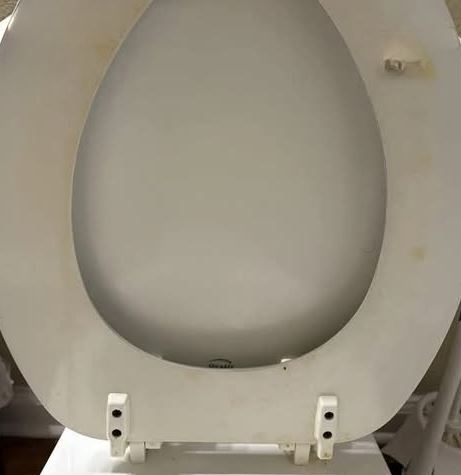
Keeping a bathroom clean is something most people care about, yet it’s also one of those tasks that can feel frustrating—especially when stubborn stains refuse to go away. Among the most common issues are yellow stains that develop on toilet seats and inside the bowl. Even in an otherwise clean space, these marks can make the entire bathroom look less hygienic.
The encouraging part is that removing these stains does not require expensive products or harsh chemicals. In many cases, simple household items combined with the right techniques can produce excellent results.
This guide explains why these stains appear, how to remove them safely, and what you can do to prevent them from coming back.
Why Yellow Toilet Stains Develop
Before jumping into cleaning methods, it’s useful to understand what causes these stains in the first place. Yellow discoloration typically forms gradually due to a mix of environmental and usage-related factors.
Some of the most common causes include:
Mineral deposits from hard water
Water that contains high levels of minerals such as calcium and magnesium can leave behind residue over time. These deposits often appear as yellow or off-white stains, especially in areas where water sits or flows regularly.
Residue buildup from regular use
Without frequent cleaning, natural residues can accumulate and gradually discolor surfaces.
Leftover cleaning product layers
Ironically, using too many cleaning products without proper rinsing can lead to buildup that contributes to staining.
Aging materials
Plastic toilet seats, especially white ones, tend to discolor over time due to wear, exposure to light, and repeated use.
Moisture and humidity
Bathrooms are naturally humid environments. Constant exposure to moisture can encourage the accumulation of grime and make stains more noticeable.
Understanding these causes helps you choose the most effective cleaning approach and avoid practices that may worsen the issue.
Method 1: Baking Soda and Vinegar (A Reliable Natural Option)
One of the simplest and most widely used cleaning combinations involves baking soda and vinegar. These two ingredients create a gentle reaction that helps lift dirt and loosen stains from surfaces.
How to use this method:
- Sprinkle a layer of baking soda over the stained area
- Slowly pour a small amount of vinegar on top
- Allow the mixture to sit for about 10–15 minutes
- Gently scrub with a soft sponge or brush
- Rinse thoroughly with water and wipe dry
This approach works particularly well for light stains and routine cleaning. It is also a good option for those who prefer to avoid strong chemical cleaners.
Method 2: Melamine Cleaning Sponges (Gentle but Effective)
Melamine foam sponges—often referred to as “magic erasers”—are designed to remove marks using a very fine abrasive texture. They can be highly effective for lifting stubborn stains from smooth surfaces.
How to use them properly:
- Lightly dampen the sponge with water
- Gently rub the stained area without applying too much pressure
- Focus on corners, edges, and hinges where buildup is common
- Wipe away any residue with a clean cloth
These sponges can deliver impressive results, but they should be used carefully. Applying too much pressure may gradually wear down delicate surfaces.
Method 3: Hydrogen Peroxide for Deeper Stains
When stains are more noticeable or have been present for a long time, hydrogen peroxide can help brighten the surface.
Safe application steps:
- Soak paper towels in hydrogen peroxide
- Place them directly over the stained areas
- Leave them in place for 30 to 60 minutes
- Remove the towels and wipe the surface clean
Hydrogen peroxide has mild whitening properties and can help restore the original appearance of the material over time.
Important note:
Avoid mixing hydrogen peroxide with other cleaning agents. Always rinse surfaces thoroughly before switching to a different product.
Cleaning the Toilet Bowl: Addressing Mineral Rings and Buildup
The inside of the toilet bowl often develops rings or stains caused by minerals in the water. These marks can be more persistent, but they are still manageable with consistent care.
Method 1: Using a Pumice Stone (With Caution)
A pumice stone can help remove hardened mineral deposits when used correctly.
Steps to follow:
- Ensure both the stone and the toilet surface are wet
- Gently rub the stained area
- Use light pressure to avoid scratching
If you notice any resistance or unusual sound, stop immediately to prevent damage to the porcelain.
Method 2: Vinegar and Baking Soda for the Bowl
This classic combination is also effective for cleaning inside the toilet.
Instructions:
- Pour about one cup of vinegar into the bowl
- Add a small amount of baking soda
- Allow the mixture to sit for 15–30 minutes
- Scrub with a toilet brush and flush
This method is simple and works well for ongoing maintenance.
Method 3: Borax Powder for Deep Cleaning
Borax is a traditional cleaning agent that can help break down tough stains.
How to use it:
- Sprinkle borax inside the toilet bowl
- Leave it overnight for best results
- Scrub thoroughly the next day
It can be particularly useful for stains that do not respond to lighter cleaning methods.
Method 4: Chlorine-Based Cleaners (Use Responsibly)
Chlorine-based products can be effective for disinfecting and stain removal, but they should be used carefully.
Safety considerations:
- Ensure proper ventilation during use
- Never mix with other cleaning products
- Use only when necessary to avoid surface wear
Moderation is key when using stronger cleaning agents.
Don’t Overlook the Exterior of the Toilet
While most attention goes to the bowl and seat, the outer parts of the toilet can accumulate just as much dirt over time.
Areas to focus on include:
- The tank and lid
- The flush handle
- The underside and edges of the seat
- The base of the toilet where it meets the floor
Using a general-purpose cleaner and a cloth can help maintain these surfaces. For small or hard-to-reach areas, a soft brush or an old toothbrush can be useful.
Practical Tips for Maintaining a Clean Bathroom
Preventing stains is often easier than removing them. A few simple habits can make a noticeable difference:
- Clean the toilet regularly, ideally once a week
- Rinse surfaces thoroughly after using cleaning products
- Replace worn-out cleaning tools such as brushes
- Keep the bathroom well-ventilated to reduce moisture
- Address minor stains early before they become more visible
Consistency plays a major role in keeping the bathroom looking fresh.
When Replacement Might Be the Better Option
In some situations, stains may not fully disappear—especially if the material has aged or changed color over time.
If discoloration remains despite repeated cleaning, replacing the toilet seat can be a practical and affordable solution. Modern toilet seats are typically easy to install and can quickly improve the overall appearance of the bathroom.
Final Thoughts
Yellow toilet stains are a common household issue, but they are usually manageable with the right approach. Simple ingredients like baking soda, vinegar, and hydrogen peroxide can be surprisingly effective when used correctly.
Rather than relying on strong chemicals or expensive products, focusing on consistent cleaning habits often produces the best long-term results. Regular maintenance not only keeps your bathroom looking clean but also creates a more comfortable and pleasant environment.
By understanding the causes of stains and applying these straightforward methods, you can keep your bathroom surfaces looking fresh with minimal effort.