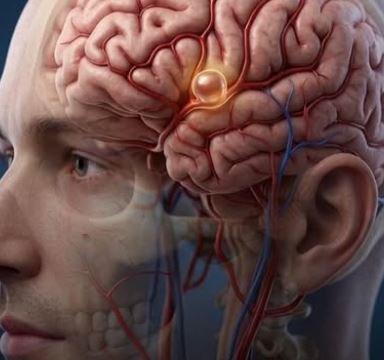
An aneurysm is a medical condition that many people have heard of, but few truly understand. It is commonly described as a weakened, bulging area in the wall of a blood vessel. While that definition is simple, the reality is far more complex. Aneurysms can develop quietly over time and may not cause noticeable symptoms until they become serious.
Because of this silent nature, misinformation often spreads easily. In this guide, we will clarify some of the most common misunderstandings about aneurysms and explain the science behind them in a clear and responsible way.
Common Misconceptions About Aneurysms
Misconception 1: Aneurysms only affect older adults
What’s more accurate:
Although age is a known risk factor, aneurysms can develop in people of different age groups.
Understanding the science:
As people age, blood vessels naturally lose some of their elasticity and strength. This makes older adults more susceptible. However, age is not the only factor.
Some individuals may develop aneurysms earlier in life due to inherited conditions that affect connective tissues. Others may have structural differences in their blood vessels from birth. Lifestyle factors such as smoking, long-term high blood pressure, and poor cardiovascular health can also increase risk regardless of age.
Misconception 2: If there are no symptoms, there is no danger
What’s more accurate:
An aneurysm can exist without noticeable symptoms and still pose a risk.
Understanding the science:
Many aneurysms remain small and stable for years without causing any discomfort. However, the absence of symptoms does not always mean the condition is harmless.
The wall of the affected blood vessel is weaker than normal. Over time, pressure from blood flow can gradually increase stress on that weakened area. If the vessel wall becomes too thin, it may tear or rupture, which can lead to serious complications.
Misconception 3: A headache is always harmless
What’s more accurate:
While most headaches are not serious, certain types require immediate attention.
Understanding the science:
A sudden and extremely intense headache can sometimes be associated with a serious underlying issue involving blood vessels in the brain.
This type of headache may appear abruptly and feel very different from common tension headaches or migraines. It can be accompanied by symptoms such as nausea, sensitivity to light, or difficulty staying alert.
Because these symptoms can overlap with other conditions, it is important not to ignore unusual or severe headaches and to seek medical evaluation when necessary.
Misconception 4: Only people with poor health need to worry
What’s more accurate:
Aneurysms can develop even in individuals who appear otherwise healthy.
Understanding the science:
Even people who maintain a generally healthy lifestyle can develop aneurysms. This is because some contributing factors are not always visible or obvious.
For example, subtle changes in the structure of blood vessels, genetic predisposition, or undiagnosed high blood pressure can all play a role. Additionally, long-term stress and other environmental influences may contribute to changes in vascular health over time.
Misconception 5: Every aneurysm will eventually rupture
What’s more accurate:
Not all aneurysms progress to rupture.
Understanding the science:
The likelihood of rupture depends on several factors, including:
- Size of the aneurysm
- Location within the body
- Rate of growth
- Overall condition of the blood vessel wall
Some aneurysms remain stable and are monitored over time through medical imaging. In other cases, healthcare professionals may recommend preventive treatment based on an individual risk assessment.
What Happens Inside the Body During an Aneurysm?
To better understand aneurysms, it helps to look at what is happening at a biological level.
Blood vessels are designed to be strong and flexible. Their walls contain important structural components such as collagen and elastin, which allow them to handle the pressure of blood flow.
An aneurysm develops when part of the vessel wall becomes weakened. This weakening can result from:
- Gradual breakdown of structural proteins
- Inflammation within the vessel wall
- Irregular blood flow patterns that place stress on specific areas
As pressure continues to act on this weakened section, it may begin to bulge outward. Over time, the wall may become thinner, increasing the risk of complications if not monitored or managed appropriately.
Why Awareness Is Important
One of the main challenges with aneurysms is that they can remain undetected. Because symptoms are often absent in early stages, individuals may not realize anything is wrong.
Being informed allows people to:
- Recognize unusual symptoms early
- Understand potential risk factors
- Seek medical advice when appropriate
Awareness does not mean assuming the worst, but rather staying informed and proactive about health.
Possible Early Warning Signs
In some cases, an aneurysm that has not ruptured may still produce subtle symptoms. These symptoms often occur when the aneurysm presses against nearby structures, such as nerves.
Some possible early signs include:
- Pain localized behind or above one eye
- Changes in vision, such as blurriness or double vision
- A drooping eyelid
- Enlargement of one pupil
- Weakness or numbness affecting one side of the face
These symptoms can have multiple causes, but they should not be ignored, especially if they appear suddenly or worsen over time.
Symptoms That Require Immediate Medical Attention
If an aneurysm becomes more serious, symptoms can appear suddenly and may require urgent care.
These can include:
- A sudden and intense headache that feels unusual or severe
- Nausea or vomiting
- Stiffness in the neck
- Sensitivity to light
- Confusion or difficulty concentrating
- Loss of consciousness
- Seizure activity
These symptoms can be associated with several medical conditions, but they should always be treated as urgent. Prompt medical evaluation is critical in such situations.
Final Thoughts
Aneurysms are complex medical conditions that are often misunderstood. While they can be serious, it is important to approach the topic with accurate information rather than fear.
Understanding how aneurysms form, what risk factors may be involved, and which symptoms may require attention can help individuals make informed decisions about their health.
If there are concerns about symptoms or risk factors, consulting a qualified healthcare professional is always the best step. Early evaluation and proper guidance can make a significant difference in managing health safely and effectively.