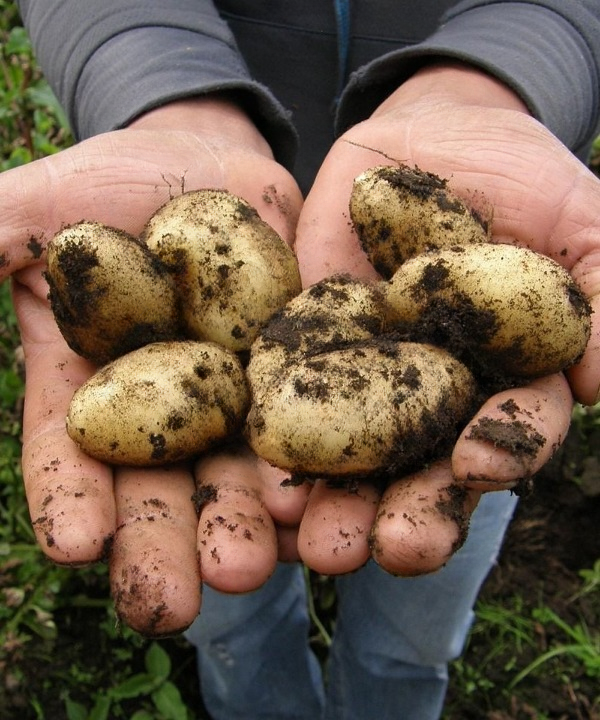
Potatoes are one of the most widely consumed staple foods in the world, yet they are often misunderstood when it comes to nutrition. Some people view them as unhealthy or “fattening,” while others consider them a valuable source of energy and essential nutrients. The truth lies somewhere in between. When prepared and consumed correctly, potatoes can be a highly nutritious, affordable, and versatile part of a balanced diet.
A medium-sized baked potato with the skin still on contains a surprisingly rich nutritional profile. One of its most notable qualities is its potassium content. In fact, a single potato can contain more potassium than a banana, which is often promoted as a potassium-rich food. Potassium is an essential mineral that helps regulate fluid balance in the body, supports muscle function, and plays a key role in maintaining healthy blood pressure levels. This makes potatoes more beneficial than many people realize, especially for cardiovascular health.
In addition to potassium, potatoes also provide a significant amount of vitamin C. A medium potato can contain more vitamin C than an apple, which contributes to immune system support and helps the body repair tissues. Vitamin C is also an antioxidant, meaning it helps protect cells from damage caused by environmental stress and natural metabolic processes. While fruits are commonly associated with vitamin C intake, potatoes can also serve as an important source, especially in diets where fruit consumption is limited.
One of the most overlooked parts of the potato is its skin. Many people peel potatoes before cooking or eating them, but doing so removes a large portion of their nutritional value. The skin contains roughly half of the potato’s total fiber content. Fiber plays an important role in digestive health by promoting regular bowel movements and feeding beneficial bacteria in the gut. A healthy gut microbiome is linked to improved digestion, better immune function, and even mood regulation. By keeping the skin on, you significantly increase the nutritional benefits of the potato.
Beyond potassium, vitamin C, and fiber, potatoes also provide a variety of important nutrients that support overall health. They contain B vitamins such as vitamin B6, which is involved in brain development and the production of neurotransmitters that regulate mood. Folate, another B vitamin found in potatoes, is essential for cell growth and function, making it particularly important during periods of rapid development or recovery. These nutrients work together to support energy production, brain function, and overall metabolic health.
Another interesting feature of potatoes is their effect on digestion depending on how they are prepared. When cooked and then cooled, potatoes develop what is known as resistant starch. This type of starch is not fully broken down in the small intestine, meaning it behaves more like fiber. Resistant starch can help improve gut health by feeding beneficial bacteria and supporting a healthier digestive system. It may also help improve blood sugar regulation after meals.
The way potatoes are cooked has a major impact on their nutritional value and how they affect the body. Boiling and steaming are generally considered the healthiest methods because they help preserve nutrients without adding extra fat. These cooking methods also tend to produce a lower glycemic response compared to other techniques, meaning they have a more gradual effect on blood sugar levels.
Roasting potatoes can also be a healthy option, especially when done with small amounts of healthy fats such as olive oil. Roasting enhances flavor and texture while still maintaining much of the nutritional content. However, it is important to avoid excessive oil or high-temperature burning, which can reduce nutritional quality and introduce unhealthy compounds.
Baking potatoes is another popular method and still provides good nutritional value. However, baked potatoes may cause a faster rise in blood sugar compared to boiled ones, especially when consumed alone without other foods. This is why pairing potatoes with protein sources, healthy fats, or fiber-rich vegetables can help slow digestion and create a more balanced meal.
On the other hand, fried potatoes are the least healthy preparation method. French fries and other deep-fried potato products are often high in added fats and calories due to the cooking oil used. Regular consumption of fried potatoes is associated with less favorable health outcomes, particularly when they are heavily processed or salted. For this reason, health experts generally recommend limiting fried potato intake rather than eliminating potatoes altogether.
Despite their nutritional benefits, potatoes are sometimes misunderstood due to their carbohydrate content. Carbohydrates are often viewed negatively in modern diets, but they are actually the body’s primary source of energy. The key is not avoiding carbohydrates entirely, but choosing high-quality sources and preparing them in healthy ways. Potatoes, when eaten in moderation and prepared properly, can fit into most balanced eating patterns.
There are, however, certain situations where caution may be needed. Individuals with diabetes may need to pay closer attention to portion sizes and preparation methods, as potatoes can affect blood sugar levels. Choosing boiled potatoes, consuming them with protein, and avoiding large portions can help manage their impact. Similarly, people with kidney-related conditions may need to monitor potassium intake, as potatoes are relatively high in this mineral. In such cases, medical guidance is important for dietary planning.
Overall, potatoes are far more nutritious than their reputation often suggests. They are affordable, widely available, and highly versatile, making them an important food source for many populations around the world. When prepared in healthy ways and eaten as part of a balanced diet, they provide essential vitamins, minerals, fiber, and energy that support overall well-being.
The key takeaway is that potatoes themselves are not the problem—how they are prepared and consumed makes the real difference. By choosing healthier cooking methods, keeping the skin on, and combining them with other nutritious foods, potatoes can be a valuable and beneficial part of everyday meals.