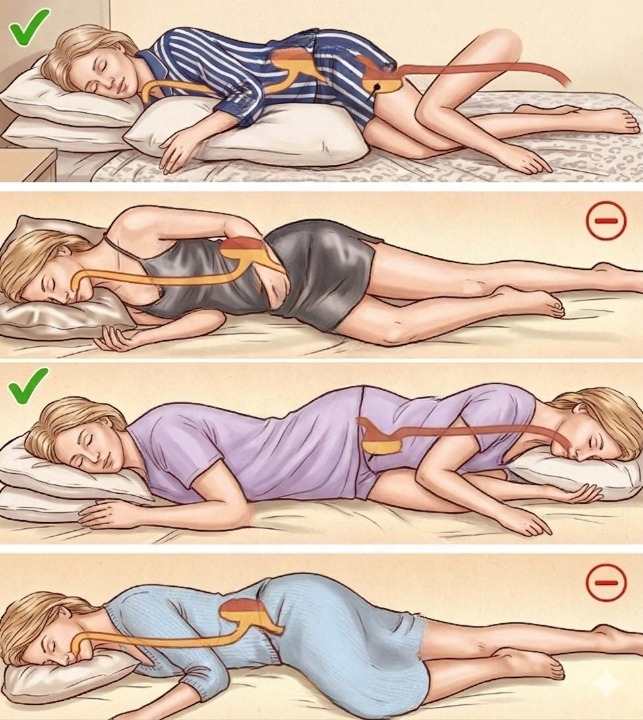
Sleep is often described as a time of rest, but in reality, it’s one of the most active and essential processes in the human body. During sleep, the body repairs tissues, regulates hormones, strengthens memory, and restores energy. While factors like sleep duration and environment are widely discussed, one detail that often goes unnoticed is sleep posture—the position your body takes throughout the night.
It may seem like a small detail, but the way you sleep can subtly influence how your body functions. Because the human body is not perfectly symmetrical, gravity interacts differently with your organs depending on your position. Over time, these small differences can affect comfort, digestion, and even how well you feel when you wake up.
Why Sleep Position Matters
Throughout the night, your body remains in relatively fixed positions for long periods. This means pressure, alignment, and circulation are all influenced by posture. While no single sleep position is universally “perfect,” each one has its own set of potential effects.
Some people sleep on their back, others on their stomach, and many prefer one side over the other. Among these, sleeping on the left side is often highlighted for its possible benefits—especially when it comes to digestion and internal balance.
That said, it’s important to understand that sleep posture is not a medical solution. Instead, it’s one of many small lifestyle factors that can support overall well-being when combined with healthy habits.
Left-Side Sleeping and Digestive Comfort
One of the most commonly discussed advantages of left-side sleeping is its potential role in reducing symptoms of acid reflux.
When you lie on your left side, the position of the stomach relative to the esophagus may help keep stomach contents lower. Gravity works in your favor, making it less likely for acid to move upward. For individuals who occasionally experience mild nighttime discomfort, this position can sometimes make a noticeable difference.
However, posture alone doesn’t solve digestive issues. Factors such as:
- Meal timing
- Portion size
- Food choices
- Stress levels
all play a significant role. Sleep position can support comfort, but it works best alongside a balanced routine.
Circulation and Body Alignment
Another area where sleep posture may have an effect is circulation. When lying on the left side, pressure on certain major blood vessels can be slightly reduced, potentially allowing smoother blood flow during rest.
Although these effects are subtle, they highlight how prolonged positioning can influence the body over time. Good circulation during sleep supports oxygen delivery and overall recovery, which contributes to how refreshed you feel in the morning.
Proper alignment also matters. A position that keeps the spine neutral—rather than twisted or strained—can reduce tension in muscles and joints. This is why supportive pillows and a مناسب mattress play an important role in maintaining comfort throughout the night.
Effects on Internal Organs
Because organs are arranged unevenly within the body, sleep posture can influence how pressure is distributed internally.
For example:
- The liver is located on the right side of the body
- The stomach leans more toward the left
Sleeping on the left side may reduce pressure on the liver while allowing the stomach to rest in a more natural position. While these differences are not dramatic, they can contribute to a sense of physical ease over long periods.
It’s important to note that the body is highly adaptable. Most people shift positions naturally during sleep, and the body adjusts accordingly. The benefits of any single position are generally supportive rather than transformative.
Comfort: The Most Important Factor
Despite all the potential benefits discussed, the most important element of sleep posture is simple: comfort.
A position that allows you to fall asleep easily and stay asleep without frequent interruptions is ultimately the best choice. Even if a position is considered “ideal” in theory, it won’t be helpful if it causes discomfort or restlessness.
Everyone’s body is different. Factors like body shape, existing discomfort, and personal habits all influence what feels natural.
Improving Sleep Posture
If you’re interested in optimizing your sleep position, small adjustments can make a big difference:
- Use a supportive pillow to keep your neck aligned
- Place a pillow between your knees when side sleeping to reduce pressure
- Choose a mattress that supports your spine without being too firm or too soft
- Avoid positions that cause strain or numbness
These changes help maintain stability throughout the night, allowing your body to relax more fully.
Sleep Quality Goes Beyond Position
While posture plays a role, it’s only one piece of the puzzle. Overall sleep quality depends on a combination of factors, including:
- Consistent sleep schedule
- Comfortable environment (light, temperature, noise)
- Stress management
- Daily activity levels
Focusing on these areas alongside posture creates a more complete approach to better rest.
A Balanced Perspective
Left-side sleeping is often associated with certain advantages, particularly for digestion and comfort. However, it’s not a universal rule or a requirement for good health. What matters most is finding a position that feels natural and supports uninterrupted sleep.
Instead of forcing a specific posture, it’s more effective to pay attention to how your body responds. Small adjustments, combined with healthy habits, can gradually improve both sleep quality and overall well-being.
Final Thoughts
Sleep is one of the most powerful tools for maintaining physical and mental health. While it may seem like a passive activity, the details—like posture—can influence how restorative it truly is.
Whether you prefer sleeping on your left side, right side, or back, the goal remains the same: consistent, comfortable, and uninterrupted rest.
By understanding how your body interacts with different positions and making thoughtful adjustments, you can support better recovery, improved energy, and a stronger sense of well-being each day.