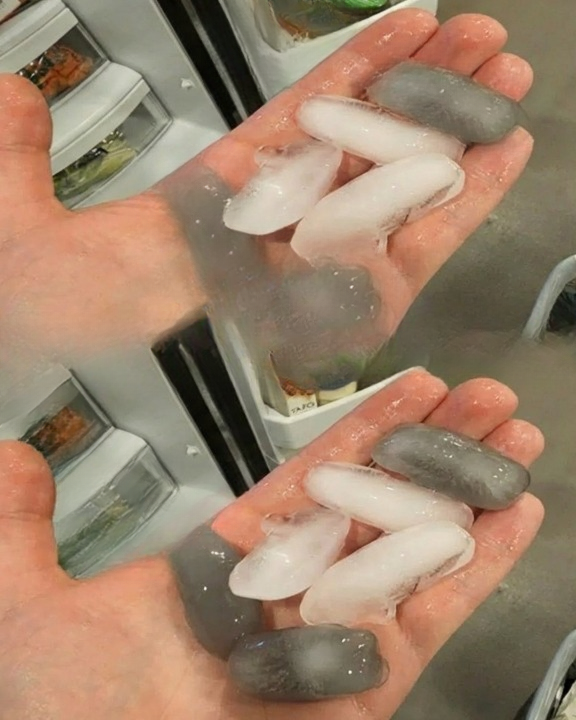
You open your freezer, scoop a handful of ice into your glass, and pause.
Instead of the usual clear or slightly cloudy cubes, you notice something off. The ice looks gray. Not dramatically dark—but enough to make you hesitate. It might look dull, dusty, or faintly discolored.
If this has happened to you, you’re not alone. Gray ice cubes are a fairly common household issue. The good news? In most cases, the cause is simple and easy to fix.
In this detailed guide, we’ll explore:
-
Why ice cubes turn gray
-
Whether it’s safe
-
The most common causes
-
Step-by-step cleaning instructions
-
How to prevent it from happening again
Let’s break it down clearly and calmly so you can get back to enjoying fresh, clean ice.
First Things First: Is Gray Ice Dangerous?
In most situations, gray ice cubes are not harmful. However, they are usually a sign that something inside your refrigerator or water system needs attention.
While it’s unlikely to pose a serious health risk, gray ice can:
-
Affect the taste of drinks
-
Signal buildup or contamination
-
Indicate a filter issue
-
Suggest your ice maker needs cleaning
Even if it’s not dangerous, it’s definitely not appetizing. Ice should look clean and clear—not questionable.
Now let’s look at the most common causes.
Common Cause #1: Dirt or Debris Inside the Ice Maker
One of the most frequent reasons for gray ice is simple buildup inside the ice maker or freezer compartment.
Over time, the following can accumulate:
-
Dust particles
-
Food debris
-
Mineral residue
-
General grime
-
Tiny airborne particles
Although your freezer is cold, it is not immune to contamination. Every time the door opens, air enters. Small particles can settle inside the ice compartment. Eventually, some of those particles can become trapped in forming ice.
Why This Causes Gray Ice
Ice is formed by freezing water layer by layer. If particles are present in the tray or ice mold, they can become embedded in the cubes.
The result?
Ice that appears:
-
Dull
-
Slightly gray
-
Speckled
-
Cloudy with discoloration
It may not look dramatic—but it’s enough to notice.
How to Fix It: Clean the Ice Maker Thoroughly
Cleaning your ice maker is often all it takes to restore clean cubes.
Step 1: Unplug the Refrigerator
Safety first. Always disconnect power before cleaning internal components.
Step 2: Remove the Ice Bin
Take out the ice storage bin completely. Empty any remaining ice into the sink.
Discard the gray ice.
Step 3: Wash the Ice Bin
-
Use warm water and mild dish soap.
-
Scrub with a soft sponge or cloth.
-
Rinse thoroughly.
-
Allow it to air dry completely.
Make sure there is zero moisture before returning it.
Step 4: Wipe the Ice Maker Interior
Use a damp cloth to gently clean:
-
Ice tray surfaces
-
Surrounding freezer walls
-
Ice chute area (if applicable)
Dry everything carefully before reassembling.
Step 5: Restart and Allow Fresh Ice to Form
Plug the fridge back in. Let it produce a few batches of ice. Discard the first batch to ensure any remaining particles are flushed out.
Most of the time, this resolves the issue.
Common Cause #2: Water Filter Issues (New or Old Filters)
Another major cause of gray ice is your refrigerator’s water filter.
Modern refrigerators often include built-in water filtration systems. These filters improve taste and remove impurities. Many contain activated carbon (charcoal), which helps trap contaminants.
However, problems can arise in two situations:
-
A newly installed filter
-
An old filter that needs replacing
How a New Filter Can Cause Gray Ice
When you first install a new filter, small carbon particles may initially pass through the system. This is normal.
If you don’t flush the system after installation, those carbon particles can:
-
Enter the water supply
-
Become trapped in ice
-
Cause a gray tint
This usually resolves after flushing several gallons of water through the dispenser.
How an Old Filter Causes Gray Ice
If a filter has not been replaced according to manufacturer guidelines, it may:
-
Break down internally
-
Release carbon sediment
-
Fail to trap contaminants
This sediment can discolor ice and alter taste.
How to Fix Filter-Related Gray Ice
Step 1: Check Your Filter’s Age
Most refrigerator filters should be replaced every 6 months (though this varies by model).
If it’s overdue, replace it.
Step 2: Flush the System
After installing a new filter:
-
Run several gallons of water through the dispenser.
-
Continue until the water runs clear.
This removes loose carbon particles.
Step 3: Discard Initial Ice Batches
Throw away the first 1–2 batches of ice after replacing the filter.
This ensures any remaining sediment is removed.
Common Cause #3: Mineral Buildup in Your Water Supply
If you live in an area with hard water, minerals like:
-
Calcium
-
Magnesium
-
Iron
may be present in your water supply.
While most municipal water is safe, mineral content can sometimes affect ice clarity.
How Minerals Affect Ice
When water freezes:
-
Impurities are pushed toward the center.
-
Minerals can concentrate inside the cube.
-
Ice may appear cloudy or grayish.
This is particularly common in older plumbing systems.
What You Can Do
-
Replace water filters regularly.
-
Consider installing a whole-house water softener if hard water is severe.
-
Periodically clean the ice maker.
Common Cause #4: Mold or Mildew (Less Common, But Important)
In rare cases, gray ice could indicate mold growth in the ice maker or water line.
This is more likely if:
-
The fridge hasn’t been cleaned in a long time.
-
There’s a persistent musty smell.
-
Ice tastes noticeably off.
If you suspect this:
-
Stop using the ice immediately.
-
Perform a deep cleaning.
-
Consult the manufacturer if needed.
How to Deep Clean Your Ice Bin Properly
If you’ve seen gray ice, a proper cleaning is essential.
Here’s a detailed guide:
1. Remove the Ice Bin
Take it out fully.
2. Dispose of All Ice
Do not reuse discolored cubes.
3. Wash with Warm Soapy Water
Use:
-
Mild dish soap
-
A non-abrasive sponge
Scrub all corners and edges.
4. Rinse Thoroughly
Soap residue can affect taste.
5. Sanitize (Optional)
You may use a diluted vinegar solution to wipe the bin. Avoid mixing cleaners.
6. Air Dry Completely
Moisture left behind can cause odor issues.
7. Reinstall
Once dry, place the bin back inside.
Why Ice Quality Matters More Than You Think
Ice isn’t just frozen water—it directly affects the taste of your drinks.
Gray or contaminated ice can:
-
Alter beverage flavor
-
Create unpleasant odors
-
Leave residue in glasses
Clear, clean ice ensures:
-
Better taste
-
Better presentation
-
Better overall experience
Preventing Gray Ice in the Future
Once you’ve fixed the issue, prevention becomes simple.
1. Replace Filters on Schedule
Mark your calendar every 6 months.
2. Flush New Filters
Always flush water thoroughly after installation.
3. Clean the Ice Bin Monthly
A quick rinse once a month can prevent buildup.
4. Keep the Freezer Clean
Wipe spills immediately.
5. Keep Food Properly Sealed
Open or uncovered food can release particles into freezer air.
6. Leave the Ice Maker Off If Not Used
If you rarely use ice, turn the maker off to prevent stagnation.
Frequently Asked Questions
Why are my ice cubes cloudy instead of gray?
Cloudy ice is usually caused by air bubbles or minerals—not dirt.
Should I stop using my ice maker?
Only if the problem persists after cleaning and replacing the filter.
Can gray ice damage my refrigerator?
No—but the underlying cause may signal maintenance is needed.
When to Call a Professional
Consider professional service if:
-
Gray ice continues after cleaning and filter replacement.
-
You notice unusual smells.
-
Water flow seems reduced.
-
The ice maker stops functioning properly.
Persistent issues may involve water line problems or internal components.
The Bottom Line
Gray ice cubes can be unsettling, but they are usually caused by one of three simple issues:
-
Dirt or debris inside the ice maker
-
Carbon sediment from a new or old water filter
-
Mineral buildup in the water supply
Fortunately, all of these are fixable.
With proper cleaning and regular maintenance, your ice should return to being:
-
Clear
-
Fresh
-
Odor-free
-
Safe
Next time you notice gray ice, don’t panic.
Check the filter.
Clean the bin.
Flush the system.
Most of the time, that’s all it takes.
Clean ice isn’t just about appearance—it’s about keeping your refrigerator running efficiently and your drinks tasting their best.