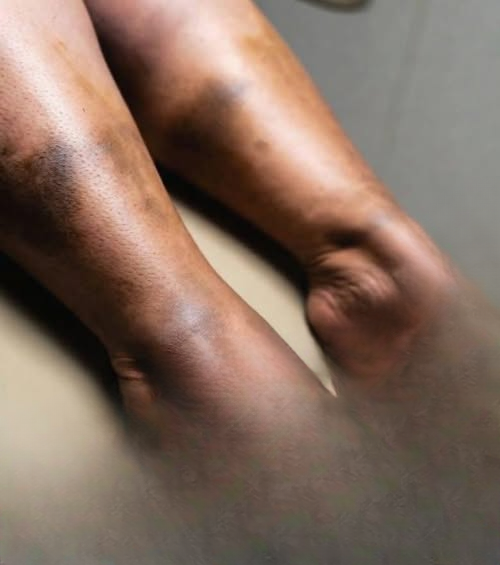
Stasis dermatitis is a long-term skin condition that develops when blood circulation in the lower legs is not working efficiently. While it may begin with mild symptoms like dryness or itching, it can gradually progress into more serious skin changes if not properly managed.
Understanding this condition early can help reduce discomfort, prevent complications, and improve overall quality of life. Below is a clear, detailed, and reader-friendly explanation of stasis dermatitis—covering symptoms, causes, risk factors, treatment options, and prevention strategies.
What Is Stasis Dermatitis?
Stasis dermatitis is a type of skin inflammation that typically affects the lower legs. It is closely linked to poor blood circulation, particularly a condition known as venous insufficiency.
When veins in the legs struggle to send blood back to the heart efficiently, fluid can build up in the lower extremities. Over time, this increased pressure and fluid retention can affect the skin, leading to irritation, discoloration, and other visible changes.
Common Symptoms of Stasis Dermatitis
The symptoms of stasis dermatitis can vary depending on how advanced the condition is. In the early stages, signs may be mild and easy to overlook. As the condition progresses, symptoms often become more noticeable and persistent.
Early Symptoms
- Dry, thin, or irritated skin on the lower legs
- Mild itching or discomfort
- Slight discoloration (often reddish or light brown)
- Occasional swelling, especially after standing for long periods
At this stage, the skin may appear sensitive, and scratching can worsen irritation.
Moderate Symptoms
As circulation problems continue, additional symptoms may develop:
- Increased swelling in the lower legs and ankles
- A feeling of heaviness or aching in the legs
- Noticeable scaling or flaking of the skin
- Darkening of the skin, often turning brown or purplish
- Areas of skin that feel thicker or firmer
These changes can become more persistent and may not go away without proper care.
Advanced Symptoms
In more severe cases, the skin may begin to break down:
- Open sores (ulcers), often near the inner ankle
- Cracked skin that may leak fluid
- Pain, redness, or warmth in affected areas
- Possible signs of infection, such as swelling or discharge
At this stage, medical attention is strongly recommended to prevent complications.
Why Stasis Dermatitis Happens
The main cause of stasis dermatitis is poor circulation in the veins of the legs.
Understanding Venous Insufficiency
Inside the veins are small one-way valves that help blood flow upward toward the heart. When these valves weaken or become damaged, blood can begin to flow backward and collect in the lower legs.
This pooling of blood increases pressure in the veins and surrounding tissues, leading to fluid buildup. Over time, this affects the skin, resulting in inflammation and the symptoms associated with stasis dermatitis.
Other Contributing Conditions
Several health conditions can contribute to or worsen circulation problems, including:
- Varicose veins (enlarged, visible veins under the skin)
- Heart conditions that affect blood flow
- Kidney-related issues that influence fluid balance
- Previous blood clots in the legs
- Injuries to the lower limbs
These factors can increase the likelihood of developing stasis dermatitis, especially when combined.
Risk Factors to Be Aware Of
While stasis dermatitis can affect different individuals, certain factors increase the risk:
- Age (more common in adults over 50)
- Limited physical activity
- Excess body weight
- Prolonged sitting or standing
- History of circulation-related conditions
- Multiple pregnancies
- Prior leg injuries or surgeries
Lifestyle habits also play a role. Lack of movement and long periods in one position can reduce healthy blood flow, contributing to the condition over time.
When to Seek Medical Advice
It’s important to consult a healthcare professional if you notice any of the following:
- Persistent swelling in your legs
- Ongoing itching or skin irritation
- Changes in skin color or texture
- Open sores or wounds that do not heal
- Signs of infection such as redness, warmth, or discharge
Early evaluation can help prevent the condition from worsening and reduce the risk of complications.
How Stasis Dermatitis Is Diagnosed
Diagnosis usually begins with a physical examination of the affected area. A healthcare provider will assess the appearance of the skin and ask about symptoms and medical history.
In some cases, a noninvasive imaging test called a Doppler ultrasound may be recommended. This test uses sound waves to evaluate blood flow in the veins and helps confirm whether circulation issues are present.
Treatment Options for Stasis Dermatitis
Managing stasis dermatitis focuses on improving circulation and protecting the skin.
At-Home Care Strategies
Several simple habits can make a significant difference:
- Avoid sitting or standing for long periods
- Elevate your legs when resting
- Wear compression stockings to support blood flow
- Choose loose-fitting clothing to reduce irritation
- Keep skin moisturized with gentle, fragrance-free products
These steps can help reduce swelling and improve comfort.
Skincare Considerations
Not all skincare products are suitable for sensitive or affected skin. It is generally best to avoid:
- Products that overly dry the skin
- Strong fragrances or irritants
- Certain topical medications unless prescribed
A healthcare provider can recommend appropriate creams or ointments tailored to your needs.
Medical Treatments
Depending on severity, a doctor may suggest:
- Topical corticosteroid creams to reduce inflammation
- Antibiotics if an infection is present
- Specialized dressings for open wounds or ulcers
- Procedures to address vein problems, if necessary
Treating underlying conditions such as high blood pressure or heart-related issues can also improve symptoms.
Possible Complications if Left Untreated
Without proper care, stasis dermatitis can lead to more serious issues, including:
- Chronic leg ulcers that are slow to heal
- Skin infections
- Long-term scarring
- Deeper infections affecting underlying tissues
These complications can significantly impact daily life, which is why early management is important.
Preventing Stasis Dermatitis
While not all cases can be prevented—especially when related to chronic health conditions—there are effective ways to reduce your risk.
Healthy Habits That Help
- Stay physically active to promote circulation
- Take breaks to move if you sit or stand for long periods
- Maintain a balanced body weight
- Elevate your legs regularly
- Reduce excess salt intake to help manage fluid retention
Even small lifestyle changes can have a meaningful impact over time.
The Importance of Long-Term Care
Stasis dermatitis is often linked to ongoing circulation issues, which means it may require long-term management rather than a one-time treatment.
Consistent care—combined with medical guidance—can help control symptoms, prevent flare-ups, and improve overall skin health.
Final Thoughts
Stasis dermatitis may begin as a mild skin concern, but it reflects deeper circulation issues that should not be ignored. Recognizing the early signs and taking proactive steps can make a significant difference in preventing complications.
With proper care, lifestyle adjustments, and medical support when needed, many people are able to manage symptoms effectively and maintain healthy skin.
Understanding your body and responding early is the key to long-term comfort and well-being.