There’s nothing more frustrating than finishing a full load of laundry, folding everything neatly, and then realizing your clothes don’t smell as fresh as you expected. Maybe they still carry a faint odor. Maybe they feel slightly stiff. Maybe they just don’t seem as crisp and clean as they should.
Most of us immediately assume one of two things:
-
The clothes were extremely dirty.
-
We didn’t use enough detergent.
But there’s another possibility that often goes overlooked: your washing machine itself may need cleaning.
It sounds ironic, doesn’t it? A machine designed specifically to clean clothing can actually become dirty over time. Yet it’s completely true. Soap residue, fabric softener buildup, hard water minerals, lint, and moisture can all collect inside the machine. Over time, that buildup can affect performance and freshness.
The good news? Cleaning your washing machine is straightforward, affordable, and surprisingly satisfying. When done regularly, it can help your clothes smell better, feel cleaner, and even extend the life of your appliance.
This complete guide will walk you through everything you need to know—step by step—so your washer works at its best.
Why Cleaning Your Washing Machine Matters
It’s easy to assume that because a washing machine constantly runs with water and detergent, it must stay clean automatically. Unfortunately, that’s not how it works.
Here’s what can accumulate inside over time:
-
Detergent residue
-
Fabric softener buildup
-
Hard water mineral deposits
-
Lint and fibers
-
Body oils and soil from clothing
-
Trapped moisture that can lead to unpleasant odors
Even high-efficiency (HE) machines, which use less water, are prone to buildup because lower water levels may not fully rinse away residue.
When buildup accumulates, you may notice:
-
Clothes not smelling fresh after washing
-
A musty odor inside the drum
-
Residue on clothing
-
Slower drainage
-
Reduced cleaning performance
Regular maintenance helps prevent these issues and keeps everything functioning properly.
How Often Should You Clean Your Washer?
For most households, cleaning your washing machine once a month is ideal.
However, you may want to clean it more frequently if:
-
You do multiple loads per week.
-
You use fabric softener regularly.
-
You wash heavily soiled clothing (sports gear, work clothes, pet bedding).
-
You live in an area with hard water.
Routine maintenance prevents deep buildup and keeps the process simple.
Step 1: Clean the Washing Machine Drum
Let’s start with the most important part: the drum (also called the tub).
Even if it looks clean, residue can build up along the interior walls and beneath the surface.
Option 1: Vinegar Cleaning Cycle
White distilled vinegar is widely used as a natural cleaning agent because of its acidity, which helps dissolve mineral deposits and soap residue.
Here’s how to do it:
-
Make sure the washer is empty.
-
Add 1 to 2 cups of distilled white vinegar directly into the drum.
-
Select the hottest water setting available.
-
Choose the longest cycle possible.
-
Let the machine run completely.
The hot water helps loosen buildup, while the vinegar works to dissolve residue and neutralize odors.
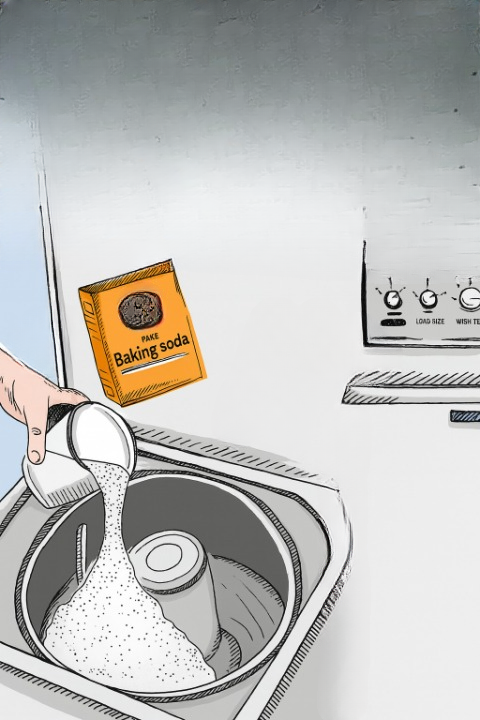
Option 2: Baking Soda Follow-Up Cycle
After the vinegar cycle finishes, run a second empty cycle using baking soda.
-
Add 1 cup of baking soda directly into the drum.
-
Run another hot cycle.
Baking soda helps remove any remaining residue and neutralizes lingering vinegar scent.
This two-step method leaves the drum noticeably fresher.
Alternative: Using a Washer Cleaning Tablet
If you prefer a ready-made solution, many stores sell washing machine cleaning tablets specifically designed to remove buildup. Simply follow the instructions on the package and run a cleaning cycle.
These products are formulated to break down residue effectively and are convenient for regular maintenance.
Step 2: Clean the Detergent Dispenser
The detergent drawer is one of the most overlooked areas of the washer.
Over time, liquid detergent and fabric softener can harden and leave sticky buildup.
How to Clean It:
-
Remove the detergent drawer (most pull out fully).
-
Rinse it under warm water.
-
Use a small brush (an old toothbrush works well) to scrub corners and crevices.
-
For stubborn buildup, soak it in warm water with a little vinegar for 15–20 minutes.
-
Dry thoroughly before placing it back.
Don’t forget to wipe inside the compartment where the drawer slides in. Residue often hides there as well.
Step 3: Clean the Door Seal (Front-Load Washers)
If you have a front-loading washer, the rubber gasket around the door requires special attention.
Moisture can collect in the folds of the rubber seal, which may lead to unpleasant smells if not cleaned regularly.
How to Clean It:
-
Pull back the rubber folds carefully.
-
Check for trapped lint, hair, or debris.
-
Wipe thoroughly with a cloth dampened with vinegar or a mild cleaning solution.
-
Dry completely.
Make sure the area is moisture-free after cleaning.
Step 4: Clean the Lid and Rim (Top-Load Washers)
For top-loading machines, residue can collect under the lid and around the rim of the drum.
Cleaning Steps:
-
Wipe the lid underside.
-
Clean around the rim where water may splash.
-
Use a soft brush for tight areas.
-
Finish by wiping with a damp cloth.
Step 5: Don’t Forget the Exterior
The outside of the machine also deserves attention.
Dust, detergent drips, and fingerprints can build up over time.
Use:
-
A damp microfiber cloth
-
Mild soap if needed
-
A dry towel to polish
Keeping the exterior clean helps maintain the appliance’s appearance and prevents grime from entering internal components.
Step 6: Clean the Filter (If Applicable)
Some washing machines include a small drain pump filter, often located behind a lower panel.
Check your owner’s manual to see if your model has one.
If it does:
-
Turn off the machine.
-
Place a towel underneath (some water may drain).
-
Remove the filter.
-
Rinse away debris.
-
Reinstall securely.
Cleaning the filter improves drainage and prevents clogs.
Common Causes of Washing Machine Odors
If your washer smells musty, here are the usual culprits:
-
Leaving wet clothes inside too long
-
Closing the door immediately after washing
-
Using too much detergent
-
Fabric softener buildup
-
Poor ventilation
Preventing these habits reduces odor significantly.
Smart Habits to Keep Your Washer Fresh
Beyond monthly deep cleaning, these daily habits make a big difference:
1. Leave the Door Open After Use
Allowing airflow helps moisture evaporate, preventing odors.
2. Use the Right Amount of Detergent
More detergent does not equal cleaner clothes. Excess soap leaves residue behind.
Follow manufacturer guidelines.
3. Skip Fabric Softener Occasionally
Liquid fabric softeners can leave sticky buildup. Consider alternatives like dryer balls.
4. Wipe the Seal Weekly
Quick maintenance prevents deep cleaning later.
Hard Water and Mineral Buildup
If you live in an area with hard water, mineral deposits may accumulate faster.
Signs include:
-
White residue
-
Stiff clothing
-
Reduced washing efficiency
Using vinegar cycles regularly helps dissolve mineral buildup.
Front-Load vs. Top-Load: Does Cleaning Differ?
Yes, slightly.
Front-load washers:
-
Require frequent gasket cleaning.
-
Benefit from door-open drying.
-
Often need more odor prevention.
Top-load washers:
-
May develop buildup under the rim.
-
Typically have fewer gasket concerns.
However, both types benefit equally from monthly cleaning cycles.
Is Bleach Safe to Use?
Bleach can be used occasionally for disinfecting, but it should not be mixed with vinegar.
If you choose to use bleach:
-
Add 1 cup to the bleach dispenser.
-
Run a hot empty cycle.
-
Run an extra rinse afterward.
Never combine bleach and vinegar in the same cycle.
Signs It’s Time to Clean Your Washer
If you notice any of the following, it’s time for a cleaning cycle:
-
Clothes smell stale after washing.
-
The drum smells musty.
-
Visible residue inside.
-
Slow drainage.
-
Excess suds after a wash.
Even without these signs, preventative cleaning is best.
Does Cleaning Really Improve Laundry Results?
Yes.
A clean washing machine:
-
Rinses detergent more effectively.
-
Prevents residue transfer.
-
Eliminates odor sources.
-
Improves overall freshness.
-
Extends appliance lifespan.
Clothes washed in a clean machine come out noticeably fresher.
The Science Behind Residue Buildup
Detergents contain surfactants that bind to dirt and oils. If too much detergent is used, excess surfactant may cling to surfaces inside the washer.
Over time, these layers accumulate.
Add moisture and warmth, and buildup becomes more noticeable.
Routine cleaning breaks this cycle.
Natural Cleaning vs. Commercial Products
Both approaches work.
Natural options:
-
Vinegar
-
Baking soda
Commercial cleaners:
-
Formulated specifically for washing machines
-
Often remove buildup more aggressively
Choose based on preference and comfort level.
Common Mistakes to Avoid
-
Using too much detergent.
-
Forgetting to dry the door seal.
-
Skipping monthly maintenance.
-
Overloading the machine.
-
Ignoring small odors.
Prevention is easier than correction.
Keeping Your Clothes Truly Clean
Remember: your washer can only clean clothes effectively if it is clean itself.
Think of it like cooking in a dirty pan—no matter how good the ingredients are, the results won’t be optimal.
When your machine is fresh:
-
Whites look brighter.
-
Colors stay vibrant.
-
Fabrics feel softer.
-
Odors are eliminated.
A Simple Monthly Cleaning Routine
Here’s an easy recap:
-
Run hot vinegar cycle.
-
Run hot baking soda cycle.
-
Clean detergent drawer.
-
Wipe door seal or rim.
-
Clean filter (if applicable).
-
Leave door open to dry.
That’s it.
Total active time: about 15–20 minutes.
Final Thoughts
Cleaning your washing machine may not be the most exciting task, but it is one of the most impactful small maintenance habits you can adopt at home.
When your washer is clean, your clothes truly benefit. They come out smelling fresh, feeling soft, and looking their best.
A little attention once a month can:
-
Improve performance
-
Prevent odors
-
Extend the life of your appliance
-
Save money on repairs
-
Make laundry day far more satisfying
The next time your laundry doesn’t feel as clean as it should, consider looking beyond the detergent bottle.
Sometimes, the solution isn’t adding more soap.
It’s giving your washing machine the refresh it deserves.