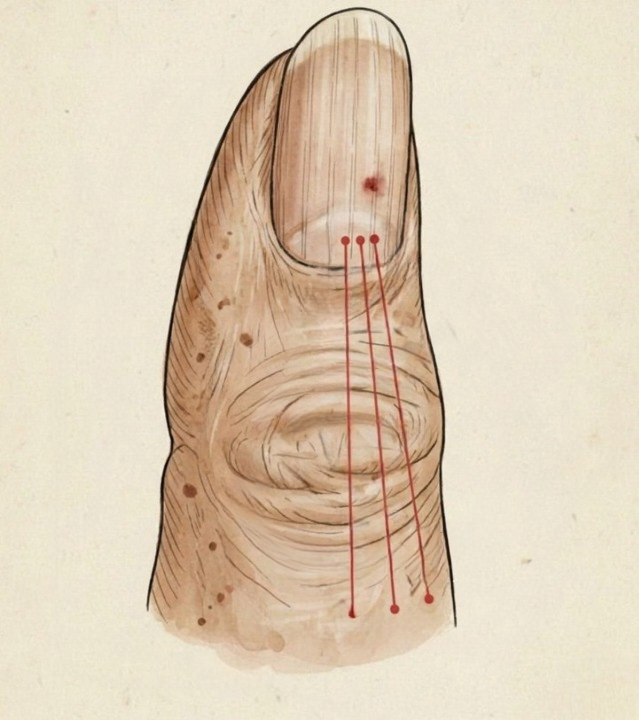
Nails are often overlooked in everyday health awareness, yet they can provide subtle clues about what is happening inside the body. Changes in texture, shape, or surface patterns may appear gradually over time, sometimes reflecting natural biological processes and other times hinting at temporary internal shifts.
One of the most common observations people make is the appearance of lines or ridges on the nails. These changes are usually harmless, but understanding why they occur can help reduce unnecessary concern and provide better insight into general nail health.
How Nails Grow and Why Changes Appear
To understand nail ridges, it helps to know how nails are formed.
Nails grow from a structure beneath the skin called the nail matrix, located under the cuticle. This area continuously produces new cells. As these cells multiply, they gradually harden and form the visible nail plate that extends outward.
This process is slow and steady—nails typically grow only a few millimeters per month. Because of this gradual growth, nails can sometimes act like a biological record, capturing small changes in the body over time.
Factors that can influence nail growth include:
- Natural aging
- Nutritional intake
- Hormonal fluctuations
- Temporary illness or stress
- External damage or exposure
As a result, subtle changes in nail appearance are not uncommon and are often part of normal variation.
Are Nail Ridges Normal?
In most cases, nail ridges are completely normal. Many people develop them at some point in life, and they often become more noticeable with age.
However, their appearance can vary depending on the underlying cause. Some ridges are very faint and barely visible, while others may feel more pronounced when running a finger across the nail surface.
Importantly, most nail ridges are not linked to serious medical conditions.
Vertical Nail Ridges: The Most Common Type
Vertical ridges are the most frequently observed nail changes. These lines run from the base of the nail (near the cuticle) toward the tip.
They often appear gradually and may become more noticeable over time.
Why Vertical Ridges Occur
The most common reasons include:
1. Natural Aging Process
As the body ages, cell regeneration slows down. The nail matrix may produce cells less evenly than in younger years, leading to slight surface irregularities.
This is one of the most common and harmless causes.
2. Minor Variation in Nail Growth
Even in younger individuals, nails do not always grow at a perfectly uniform rate. Small fluctuations in growth can create faint vertical lines.
3. Dryness and Environmental Exposure
Frequent exposure to water, soaps, or cleaning products can affect nail hydration. Dry nails are more likely to show surface ridges.
When Vertical Ridges Might Need Attention
In most situations, vertical ridges are not a concern. However, in some cases, they may be more noticeable or accompanied by other changes such as:
- Increased brittleness
- Splitting or peeling
- Changes in nail color
- Slower nail growth
When multiple changes occur together, it may suggest an underlying factor such as nutritional imbalance or a skin-related condition affecting the nails.
Even then, these signs are usually mild and manageable, but they may warrant a closer look.
Horizontal Nail Ridges: Known as Beau’s Lines
Unlike vertical ridges, horizontal lines are less common and run across the nail from side to side.
These are known as Beau’s lines.
What Causes Beau’s Lines?
Horizontal ridges typically occur when nail growth is temporarily interrupted. Since nails grow continuously, any disruption in the nail matrix can leave a visible mark as the nail continues to grow outward.
Common causes include:
- High fever or illness
- Physical stress on the body
- Temporary metabolic changes
- Recovery from surgery or significant health events
- Severe localized trauma
When normal growth resumes, the nail continues to grow forward, and the line moves with it, creating a timeline-like effect.
Are Beau’s Lines Serious?
On their own, Beau’s lines are not a diagnosis. They simply indicate that something temporarily interrupted nail growth at a specific point in time.
They must always be interpreted in context with:
- Medical history
- Overall health condition
- Other symptoms
In many cases, they reflect a past event rather than an ongoing problem.
Other Common Causes of Nail Lines
Nail ridges and lines are not always related to internal health. External factors can also play a role.
1. Physical Injury
Even minor trauma—such as bumping the nail or applying pressure repeatedly—can affect nail growth and create surface changes.
2. Chemical Exposure
Frequent contact with:
- Cleaning agents
- Detergents
- Nail products
can weaken the nail structure over time, making ridges more visible.
3. Excess Moisture or Dryness
Both extremes can affect nail health:
- Too much water exposure can soften nails
- Too little moisture can lead to dryness and ridging
Balanced care is important for maintaining smooth nail texture.
The Role of Nutrition in Nail Health
Nails require a steady supply of nutrients to grow properly. When certain nutrients are lacking, changes in nail appearance may occur.
Key nutrients include:
- Protein – essential for keratin production
- Iron – supports oxygen delivery to nail cells
- Zinc – involved in tissue repair and growth
- Biotin (Vitamin B7) – supports nail strength
- Vitamins A, C, and E – contribute to overall tissue health
A balanced diet typically provides these nutrients, and minor deficiencies can sometimes reflect in nail texture or strength.
Can Nails Reflect Internal Health?
In some cases, nails can offer indirect clues about general health. Because they grow slowly, they may reflect changes that occurred weeks or even months earlier.
However, it is important to understand that:
- Nail changes alone are not diagnostic
- Many factors can influence nail appearance
- Most variations are harmless
Healthcare professionals may observe nails as part of a broader examination, but they are only one piece of the overall health picture.
When to Seek Professional Advice
Most nail ridges are not a cause for concern. However, it may be helpful to consult a healthcare professional if you notice:
- Sudden or severe changes in nail appearance
- Persistent discoloration
- Pain, swelling, or inflammation around the nail
- Nails becoming extremely brittle or deformed
- Multiple nails affected at the same time
These signs do not necessarily indicate a serious issue, but they may benefit from evaluation.
Simple Ways to Support Nail Health
Maintaining healthy nails often involves basic daily care rather than complex treatments.
Helpful habits include:
- Keeping nails clean and trimmed
- Moisturizing hands and cuticles regularly
- Avoiding excessive exposure to harsh chemicals
- Wearing gloves when cleaning or handling detergents
- Eating a balanced, nutrient-rich diet
- Avoiding nail biting or repeated trauma
These simple steps can help maintain stronger, smoother nails over time.
Why Nail Changes Should Not Cause Alarm
It is easy to become concerned when noticing changes in the body, especially in visible areas like nails. However, most nail ridges are part of normal variation or temporary influences.
The key takeaway is that nails respond to many everyday factors, and changes often reflect routine biological processes rather than serious conditions.
Understanding this can help reduce unnecessary worry and encourage a more balanced view of body changes.
Final Thoughts
Nail ridges and lines are common features that appear in people of all ages. In most cases, they are harmless and linked to natural aging, minor environmental exposure, or temporary changes in the body.
Vertical ridges are usually associated with aging and normal nail growth patterns, while horizontal lines may reflect past interruptions in nail development.
Although nails can sometimes provide useful clues about general health, they should always be considered in context rather than in isolation.
Overall, nail changes are often simply a normal part of how the body grows, adapts, and responds to everyday life.