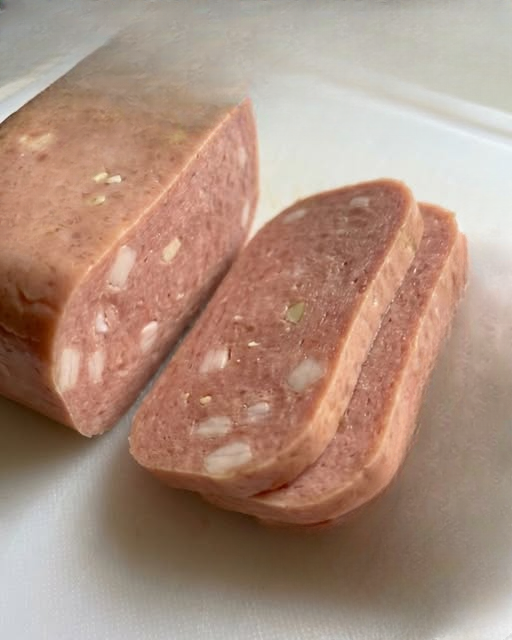
If you’ve ever opened a can of SPAM and paused at the sight of small white specks scattered through the pink meat, you’re not alone. Many people notice these pale bits and immediately wonder whether something has gone wrong. Are they a sign of spoilage? Could it be mold? Is the product still safe to eat?
It’s a common reaction. When food looks slightly different from what we expect, our instincts tell us to question it. Fortunately, in the case of SPAM®, those white pieces are usually completely normal and harmless. In most situations, they are simply small portions of fat that have solidified.
In this detailed guide, we’ll explain exactly what those white specks are, why they appear, how to distinguish them from actual spoilage, and when it’s appropriate to discard a canned product. By the end, you’ll have a clear understanding of what you’re seeing — and peace of mind the next time you open a can.
Understanding What SPAM® Is Made Of
Before addressing the white specks specifically, it helps to understand what SPAM® actually contains and how it is produced.
SPAM® is a fully cooked, canned pork product that has been a pantry staple for decades. It is made primarily from:
-
Pork (including ham)
-
Salt
-
Water
-
Modified potato starch (used as a binder)
-
Sugar
-
Sodium nitrite (used for preservation and color retention)
These ingredients are blended together, packed into cans, sealed, and then cooked inside the can. The cooking process ensures the product is shelf-stable and safe for long-term storage as long as the can remains properly sealed.
One important detail is that pork naturally contains both lean meat and fat. That fat plays a crucial role in flavor, texture, and moisture. Without it, the product would be dry, crumbly, and far less enjoyable.
Why Fat Is Essential in Processed Meats
Fat often gets a bad reputation, but in many foods, it serves important culinary functions. In SPAM® and similar canned meats, fat helps:
-
Maintain moisture
-
Improve texture
-
Enhance flavor
-
Provide structure for slicing
-
Prevent dryness during cooking
When the product is processed, the pork is ground and blended, meaning both lean meat and fat are distributed throughout. That distribution is what creates the uniform appearance — and sometimes the small white specks.
What the White Specks Actually Are
In most cases, the white bits you see inside SPAM® are simply solidified pork fat.
Here’s why they appear:
When the product is stored at cooler temperatures — especially in the refrigerator — the fat naturally hardens. Animal fat turns from translucent or slightly glossy when warm to opaque white when cold. This is a completely natural physical change.
If you’ve ever refrigerated leftover bacon or roast pork, you may have noticed the same thing: the fat firms up and turns pale.
Inside the can, small concentrations of fat may become visible as white specks or tiny lumps. They are not foreign objects. They are not contamination. They are simply part of the original ingredients.
Why They Sometimes Look More Noticeable
You might not see white specks in every can. That’s because their visibility depends on several factors:
-
Storage temperature
-
Natural variation in meat composition
-
Lighting conditions
-
Slice thickness
-
Fat distribution in that particular batch
Since pork is a natural ingredient, slight variations are expected. Some cans may have more visible fat deposits than others. This does not mean the product is defective.
Can It Be Mold?
This is usually the first concern people have — and understandably so.
However, mold growth inside commercially sealed canned goods is rare unless the can has been damaged or improperly stored.
Key Differences Between Fat and Mold
Here’s how you can tell the difference:
1. Color
-
Fat: White or slightly off-white
-
Mold: Often green, blue, gray, or black
Mold typically appears as darker or more varied in color than simple white fat.
2. Texture
-
Fat: Smooth and firm
-
Mold: Fuzzy, powdery, or cotton-like
If the white area looks smooth and integrated into the meat, it’s likely fat. Mold usually has a distinctly fuzzy appearance.
3. Smell
-
Fat: Mild, meaty scent
-
Spoiled product: Sour, musty, or unpleasant odor
If you open the can and notice a strong, unusual smell, it’s best not to consume it.
4. Distribution
Fat is typically dispersed throughout the meat. Mold, if present, usually grows in patches and often near exposed surfaces.
Why Mold Is Rare in Properly Sealed Cans
Canned foods are processed using heat sterilization. Once sealed and cooked inside the can, the environment becomes inhospitable to bacteria and mold — as long as the seal remains intact.
For mold to grow, oxygen is generally required. Properly sealed cans prevent oxygen exposure.
That’s why spoilage inside canned goods is usually linked to compromised packaging.
When You Should Not Eat Canned Meat
While white fat specks are normal, there are situations where you should discard a can.
1. Bulging Can
If the can appears swollen or bloated, do not open it. This can indicate internal pressure caused by bacterial growth.
2. Leaking Liquid
If you notice liquid leaking before opening, the seal may be broken.
3. Severe Dents Along the Seam
Dents on the body of the can are often harmless. However, dents along the seam may compromise the seal.
4. Rust That Penetrates the Can
Surface rust can occur in humid environments. But deep rust that weakens the metal is a concern.
5. Strong, Sour Odor
If the contents smell unpleasant or abnormal, discard immediately.
6. Slimy Texture or Unusual Discoloration
SPAM® should have a firm, cohesive texture and consistent pink color. If it appears grayish, slimy, or dramatically altered, it’s best not to consume it.
What Happens to the White Fat When You Cook It?
If you cook SPAM®, you’ll notice something interesting: the white specks disappear.
When heated:
-
Solid fat melts
-
The white color turns translucent
-
The fat renders into the pan
-
The meat develops a crispy exterior
This melting process is completely natural. It’s also one reason why fried SPAM® develops a rich, savory flavor and golden crust.
The white specks aren’t something extra — they are part of what makes the product cook the way it does.
Why Refrigeration Makes the Specks More Visible
Although SPAM® is shelf-stable before opening, many people refrigerate it after opening.
Cold temperatures cause animal fat to firm up and become opaque. That makes the specks more noticeable.
If you leave the slices at room temperature briefly before cooking (following safe food handling guidelines), the fat may appear less stark white.
Are Connective Tissue Bits Possible?
Occasionally, small pieces of connective tissue may be present. These can appear slightly firmer than the surrounding meat.
They are normal in processed meat products and are safe to consume, though they may feel slightly chewier.
Food Safety Best Practices
To ensure safety when consuming canned meat:
-
Store unopened cans in a cool, dry place
-
Avoid purchasing cans with dents along seams
-
Refrigerate leftovers promptly
-
Use opened products within several days
-
When in doubt, discard
Food safety is about caution. If something looks or smells truly unusual, it’s better to replace it.
Why Visual Differences Can Be Misleading
Humans rely heavily on sight when evaluating food. However, natural ingredients vary. Because SPAM® contains real pork, slight changes in fat visibility are expected.
A uniform, perfectly identical appearance in every can would actually be less natural.
The Science Behind Fat Solidification
Animal fat contains saturated fats that solidify at cooler temperatures. This physical change is reversible:
-
Cold = solid and white
-
Warm = liquid and translucent
No chemical change occurs. It’s simply a shift in physical state.
Common Myths About White Specks in Canned Meat
Myth 1: White spots always mean spoilage.
Not true. Solidified fat is normal.
Myth 2: Canned food cannot spoil.
It can, but usually only if damaged.
Myth 3: Fat inside meat is unnatural.
Fat is naturally present in pork.
Why Understanding Ingredients Matters
Knowing what’s in your food reduces unnecessary worry. When you understand that SPAM® includes pork fat, seeing small white pieces becomes less alarming.
Education builds confidence in food safety decisions.
The Importance of Checking the Can First
Before examining the contents, always inspect the packaging:
-
Is it swollen?
-
Is it leaking?
-
Are seams damaged?
If the exterior looks intact, the contents are usually safe.
Sensory Clues Matter
Use your senses responsibly:
-
Look for unusual color patterns
-
Smell for sourness
-
Check texture
Trust multiple indicators rather than just one visual detail.
Why This Concern Is So Common
Many people are unfamiliar with how processed meats behave when chilled. The surprise comes from expectation — people don’t expect to see visible fat in a uniform canned product.
But natural variation explains it.
A Reassuring Conclusion
Those white specks inside SPAM are almost always solidified pork fat — a completely normal and safe part of the product.
They are:
-
Not mold
-
Not contamination
-
Not a defect
As long as the can is intact and the contents smell and look normal aside from those white bits, there is typically no cause for concern.
Understanding how food works helps eliminate unnecessary worry. The next time you open a can and notice those white specks, you’ll know exactly what you’re looking at — and why it’s perfectly normal.
When it comes to food safety, staying informed is the best approach.