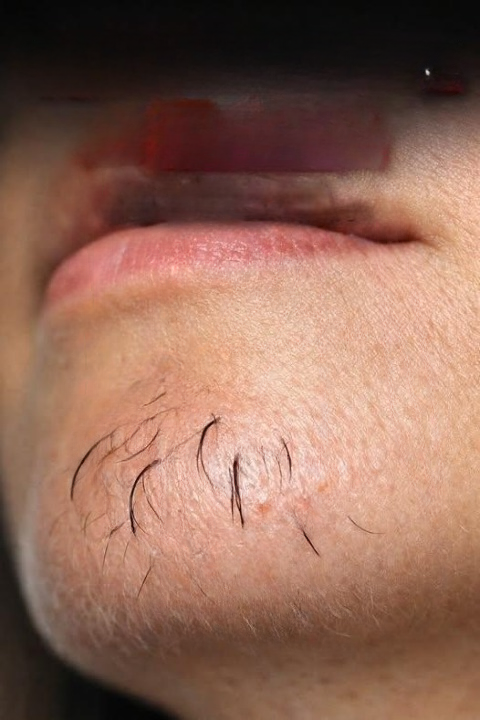
Noticing a few hairs on the chin is something many women experience at some point in their lives. While it can sometimes feel unexpected or concerning, in most cases it is a natural variation of the body and not a sign of a serious issue.
Hair growth patterns are influenced by a combination of hormones, genetics, and age. Because each person’s body is different, the amount, texture, and location of hair growth can vary widely.
This article takes a balanced and informative look at why chin hair may appear, what factors influence it, and when it may be helpful to seek further advice.
Understanding Hair Growth and Hormones
Hair growth on the face and body is largely influenced by hormones known as androgens. These hormones, including testosterone, are often associated with male traits, but they are naturally present in women as well—just in smaller amounts.
Androgens play a role in regulating hair growth, skin health, and other bodily functions. When their levels shift, or when the body becomes more sensitive to them, changes in hair growth can occur.
For example, fine, light hair (often called “peach fuzz”) can sometimes become darker or coarser over time. This transformation is a normal biological response and can happen gradually.
It’s important to understand that having some facial hair is not unusual. Many women experience it, even if it’s not often discussed openly.
Common Reasons for Chin Hair Growth
There are several everyday factors that can contribute to the appearance of chin hair. In many cases, these causes are harmless and part of normal body changes.
1. Natural Hormonal Fluctuations
Hormone levels in the body are not constant. They can change due to factors such as:
- Menstrual cycle phases
- Aging
- Stress levels
- Lifestyle habits
Even small shifts in hormone balance can influence how hair grows. For some women, this may result in a few noticeable hairs on the chin or jawline.
2. Genetics
Genetics play a major role in determining hair growth patterns. If other women in your family have experienced similar hair growth, you may be more likely to notice it as well.
This includes:
- Hair thickness
- Growth speed
- Common areas where hair appears
In this context, chin hair can simply be a hereditary trait rather than a health concern.
3. Age-Related Changes
As women age, hormone levels naturally shift. One stage where this becomes more noticeable is menopause.
During this time:
- Estrogen levels decrease
- The relative effect of androgens may become more noticeable
This does not necessarily mean androgen levels increase significantly, but their influence can become more visible—sometimes leading to changes in facial hair.
These changes typically occur gradually and vary from person to person.
4. Conditions Like Polycystic Ovary Syndrome
In some cases, increased facial hair growth may be associated with conditions such as Polycystic Ovary Syndrome (PCOS).
PCOS is a hormonal condition that can involve:
- Irregular menstrual cycles
- Acne
- Changes in weight
- Increased hair growth in certain areas
Not everyone with chin hair has PCOS, and not everyone with PCOS experiences noticeable facial hair. However, if multiple symptoms are present, it may be helpful to discuss them with a healthcare professional.
5. Medications and External Factors
Certain medications can influence hormone levels or hair growth patterns. Additionally, factors such as chronic stress may also play a role by affecting the body’s hormonal balance.
These situations are less common but can be considered if changes appear suddenly or alongside other symptoms.
When Is It Considered Normal?
For most women, occasional chin hair is a normal part of life. A few hairs that grow slowly over time are typically not a cause for concern.
Normal variations may include:
- A small number of coarse hairs
- Gradual changes over months or years
- Hair growth that remains stable
Because the body changes throughout life, these variations are often expected and do not require medical attention.
When to Pay Closer Attention
While chin hair is usually harmless, there are certain situations where it may be helpful to seek professional advice.
Consider consulting a healthcare provider if you notice:
- Sudden or rapid increase in hair growth
- Hair appearing in multiple new areas
- Accompanying symptoms such as irregular periods or persistent acne
- Other noticeable hormonal changes
These signs do not necessarily indicate a serious condition, but they can help guide further evaluation if needed.
Managing Chin Hair: Practical Options
For those who prefer to manage or remove chin hair, there are several common approaches. The choice often depends on personal preference, skin sensitivity, and convenience.
Some options include:
- Tweezing individual hairs
- Waxing or threading
- Using gentle hair removal creams designed for the face
- Considering longer-term solutions such as laser treatments (with professional guidance)
It’s important to choose methods that are suitable for your skin type and to follow proper care practices to avoid irritation.
Lifestyle Factors and Overall Balance
While lifestyle changes may not directly eliminate chin hair, maintaining overall well-being can support hormonal balance.
Helpful habits may include:
- Eating a balanced diet
- Getting regular physical activity
- Managing stress levels
- Maintaining consistent sleep patterns
These practices contribute to general health and may support the body’s natural regulatory systems.
A Balanced Perspective
It’s easy to feel concerned about changes in appearance, especially when they are unexpected. However, chin hair growth is often a normal and manageable part of the body’s natural variation.
Rather than viewing it as a problem, it can be helpful to see it as one of many ways the body changes over time.
Understanding the underlying causes can reduce unnecessary worry and help you make informed decisions about how to respond—whether that means leaving it as is or choosing a method of removal.
Final Thoughts
Chin hair growth in women is more common than many people realize. In most cases, it is influenced by natural factors such as hormones, genetics, and age.
While certain conditions like Polycystic Ovary Syndrome can sometimes be involved, the presence of a few chin hairs alone is usually not a sign of a medical issue.
The key is to pay attention to your body, notice any significant changes, and seek guidance if something feels unusual.
With a balanced approach and realistic expectations, this common experience can be understood and managed in a way that feels comfortable and appropriate for you.