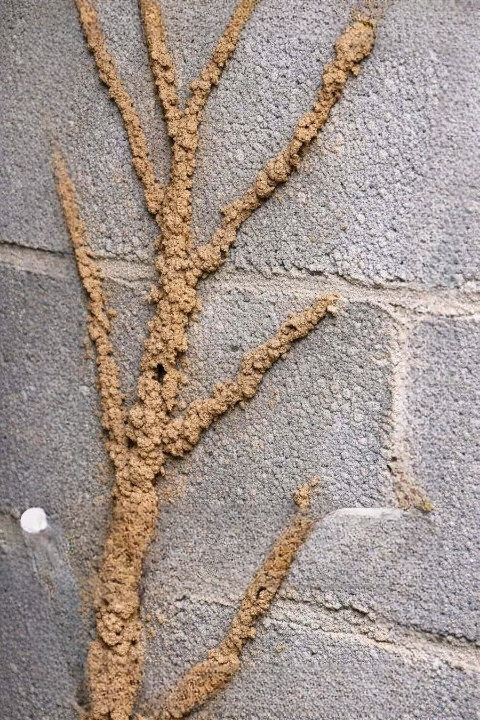
Finding dirt-like, vein-like streaks climbing up your basement walls can be unsettling. These formations, which may appear as thin, brown trails that crumble easily when touched, might initially raise concerns about plumbing leaks, structural damage, or something more serious. However, in many cases, these marks aren’t due to water issues at all. They can indicate the presence of subterranean termites, silent yet destructive pests capable of causing significant damage if left untreated.
This guide helps you understand what these strange markings might be, how to identify them, and the steps you should take to protect your home.
1. What These Dirt-Like Structures Usually Are
The most common explanation for these markings is termite mud tubes. Subterranean termites build these tubes using a mixture of soil, saliva, and wood particles. These tunnels serve as protected pathways between the termites’ underground colonies and their food sources (typically wooden structures inside the home).
- Size: These tubes are often pencil-thin but can vary in thickness depending on the size of the colony.
- Texture: The tubes are typically dry on the outside but fragile and hollow when broken open.
- Appearance: They resemble dried dirt or mud, often mistaken for dust buildup or dried leaks initially.
These mud tubes are a clear warning sign of a termite infestation and should be addressed immediately.
2. How to Distinguish Them from Mineral Deposits or Dirt
Not all marks on basement walls are caused by termites. Some are due to moisture issues. A common moisture-related problem is efflorescence, which is a mineral deposit left behind when water evaporates from masonry surfaces.
- Efflorescence:
- White, flaky, powdery appearance.
- Can be wiped away easily.
- A result of moisture evaporating through walls.
- Termite Mud Tubes:
- Brown, slightly rough, and more structured.
- Not easily wiped away; they have a defined shape.
- When broken open, they reveal hollow channels, often filled with insects.
If you break open a structure and it crumbles into small clumps or reveals a hollow interior, it’s likely a mud tube, not just dirt or efflorescence.
3. Why Termites Build These Tubes
Termites are highly sensitive to air, light, and dryness. Mud tubes provide them with a protected, moist environment in which they can travel safely between their underground colonies and wood sources. These tubes help termites stay hidden while they feed on wood, often causing damage without being noticed for a long time.
4. Signs That Point Toward Termite Activity
While mud tubes are a strong indicator, there are additional signs that suggest termite activity:
- Wood-like material resembling sawdust: These are termite droppings.
- Hollow-sounding wood: Tap on wooden surfaces; if they sound hollow, termites may have eaten the wood from the inside.
- Blistered or warped wooden surfaces: Areas where termites have fed may appear deformed.
- Discarded wings: Found near windows, doors, or light sources.
- Soft, weakened wood: Areas where termites have caused significant damage may feel soft or spongy.
5. Simple Checks You Can Do Safely
Before calling a professional, you can perform a visual inspection to check for signs of termites:
- Gently break open any suspicious tube to see if it’s hollow inside.
- Look for termites: Termites are small, pale insects that avoid light. If you spot any inside the tube, it’s a clear sign of active infestation.
- Check if the tube rebuilds: If the tube repairs itself after being broken, it indicates ongoing activity.
6. Other Areas of the Home to Inspect
Termites often travel through hidden pathways, so don’t focus only on the area where you see mud tubes. Be sure to inspect:
- Wooden beams and support structures.
- Floor edges where wood meets concrete.
- Crawl spaces and subfloor areas.
- Window and door frames.
- Small cracks in foundations, which could provide entry points.
7. When Moisture Problems Can Be Confused with Termites
It’s important to note that some moisture-related issues can cause marks similar to termite tubes. Signs of a moisture problem include:
- Damp patches or water streaks on walls.
- Musty odors indicating mold or mildew.
- Soft plaster or peeling paint.
- White, chalky residue (efflorescence) instead of brown material.
Using a moisture meter can help you distinguish between a water problem and an infestation.
8. Immediate Steps After Discovery
If you find suspicious structures, don’t disturb them excessively. Breaking them apart could cause termites to retreat deeper into the structure, making it harder to detect the infestation.
Immediate actions to take:
- Photograph the tubes for reference.
- Monitor whether the structures reappear after removal.
- Reduce moisture in the area, if necessary.
- Schedule a professional inspection to confirm whether termites are present.
9. How Professionals Evaluate the Situation
Pest control specialists have tools and expertise to assess termite infestations:
- Moisture detection devices: To check for moisture levels in walls.
- Thermal imaging cameras: To identify temperature changes and possible termite activity.
- Probing tools: To assess the integrity of wood and detect signs of termite damage.
Professionals will also inspect for any entry points or other signs of damage.
10. Treatment Approaches if Termites Are Confirmed
If termites are confirmed, there are several treatment options:
- Liquid barrier treatments: Applied around the foundation to eliminate termites.
- Baiting systems: Designed to attract termites and eliminate colonies.
- Localized wood treatments: Target specific areas of infestation.
- Fumigation: Used in severe infestations, involving gas that kills termites throughout the structure.
The treatment method depends on the extent of the infestation.
11. Long-Term Prevention Strategies
To prevent future termite infestations, you must control both access and environmental conditions. Since termites thrive in moisture-rich environments, maintaining a dry home is key.
Preventive measures include:
- Proper drainage around the home to keep the foundation dry.
- Fixing leaks promptly to avoid moisture buildup.
- Keeping basements dry and ventilated to prevent humidity.
- Avoiding direct soil-to-wood contact, such as by using concrete barriers.
- Scheduling regular inspections by a pest control professional.
Final Thoughts
Strange dirt-like veins on basement walls are not always a sign of water damage or plumbing issues. In many cases, they are termite mud tubes, indicating the presence of subterranean termites. Early identification is crucial for preventing significant structural damage. If you suspect a termite infestation, act promptly by inspecting the area and consulting a professional pest control service.
Remember, whether it’s termites or moisture-related issues, timely intervention will help maintain the structural integrity and safety of your home.