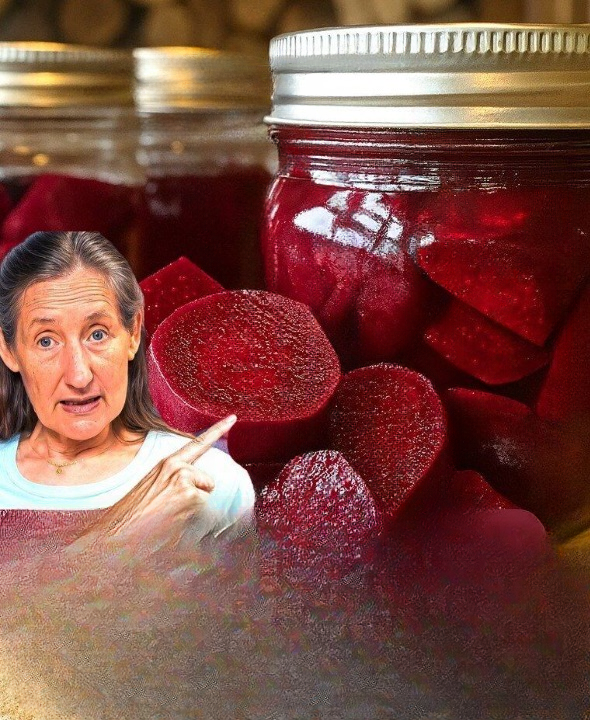
Pickled beets are a beloved dish that adds vibrant color and a delightful tangy-sweet flavor to any meal. Their versatility makes them perfect for a variety of occasions, whether as a side dish, a salad ingredient, or a snack straight from the jar. Not only do they taste amazing, but beets are also packed with nutrients like fiber, folate, and antioxidants, making them a healthy addition to your diet.
Here’s a simple, step-by-step guide to making homemade pickled beets that are sure to impress.
Why Pickled Beets Are Popular
Pickled beets have a long history of being enjoyed in various cuisines around the world. Some reasons they’re so well-loved include:
- Prep in advance: Make them ahead of time and store for later use.
- Flavor and color: They add a tangy punch and beautiful color to meals.
- Versatility: Perfect for salads, sandwiches, or as a side dish.
- Seasonal preservation: A great way to preserve fresh beets when they’re in season.
Besides their delicious flavor, beets are packed with nutrients like fiber, potassium, and antioxidants, making them a fantastic, healthy choice.
Ingredients for Homemade Pickled Beets
To prepare a simple batch of pickled beets at home, gather the following ingredients:
- 6 medium beets (washed thoroughly, with stems trimmed)
- 1 cup white vinegar
- 1 cup water
- 1/2 cup granulated sugar (adjust to taste)
- 1/2 teaspoon salt
- 1/4 teaspoon ground cloves (optional, for warm spice flavor)
- 1/2 teaspoon whole black peppercorns (optional)
- 1 cinnamon stick (optional, for added aroma)
This combination creates a balanced brine of sweet, tangy, and slightly spiced flavors.
Step-by-Step Preparation Method
1. Preparing the Beets
- Wash the beets thoroughly under running water to remove any dirt or soil. Beets grow underground and can carry dirt that needs to be cleaned properly.
- Trim off the stems and roots, but avoid cutting too much off the beet itself to retain color and flavor during cooking.
- Place the cleaned beets into a pot and cover with water.
2. Cooking the Beets
- Bring the water to a boil, then reduce the heat and allow the beets to simmer until they are tender (25 to 40 minutes, depending on their size).
- Test doneness by inserting a fork or knife—if it slides in easily, the beets are ready.
- Drain the water, and allow the beets to cool slightly. Once cool enough to handle, peel off the skin (it should come off easily after boiling).
- Slice the beets into rounds, wedges, or cubes based on your preference.
3. Preparing the Pickling Brine
- In a separate saucepan, combine the vinegar, water, sugar, and salt.
- Heat over medium heat, stirring occasionally until the sugar and salt are fully dissolved.
- If using optional spices (cloves, peppercorns, cinnamon), add them to the mixture while it heats to infuse their flavor. Let the mixture simmer gently for a few minutes to allow the spices to blend with the liquid.
4. Combining Beets and Brine
- Place the sliced beets into clean, sterilized jars.
- Pour the warm pickling liquid over the beets until they are completely submerged. Make sure they are fully covered for proper preservation.
- Allow the jars to cool to room temperature before sealing them with lids.
5. Storage and Resting Time
- Once the jars have cooled, store them in the refrigerator.
- For the best flavor, let the beets sit for at least 24–48 hours before eating. This resting time allows the flavors to fully develop and intensify.
- When stored properly, pickled beets can last for several weeks in the refrigerator.
How to Use Pickled Beets
Pickled beets are incredibly versatile and can be incorporated into various dishes. Here are some popular ways to enjoy them:
- Salads: Add them to green salads for a pop of color and tangy flavor.
- Side dish: Serve as a vibrant side with grilled meats or plant-based dishes.
- Sandwiches or wraps: Add slices of pickled beets to sandwiches for extra texture.
- Appetizers: Pair with cheese and nuts for a quick and balanced appetizer.
- Snack: Simply enjoy directly from the jar as a light snack.
Their unique sweet-tangy profile makes them a great addition to both simple and more complex meals.
Nutritional Value of Beets
Beets are packed with nutrients, even after pickling. Some key benefits include:
- Dietary fiber: Helps with digestion.
- Folate: Essential for cell function and tissue growth.
- Potassium: Important for maintaining healthy heart function and muscle function.
- Antioxidants: Naturally occurring plant pigments that support overall health.
These nutritional benefits make beets a great choice for maintaining a healthy diet.
Helpful Tips for Best Results
To make sure your pickled beets turn out perfectly, consider the following tips:
- Fresh, firm beets: Choose beets that are firm and fresh for better texture.
- Adjust sugar: Modify the sugar level based on your desired sweetness.
- Sterilize jars: Ensure jars are sterilized to avoid contamination.
- Slice evenly: Cutting the beets into uniform pieces ensures consistent flavor absorption.
- Let them rest: Be patient and let the pickled beets sit for a couple of days for the best flavor.
These small adjustments can help you achieve the best possible outcome.
Recipe Variations
Once you’re comfortable with the basic recipe, feel free to experiment with variations. Here are a few ideas to mix things up:
- Garlic: Add a couple of garlic cloves for a savory twist.
- Apple cider vinegar: Swap white vinegar for apple cider vinegar for a milder, more complex taste.
- Mustard seeds: Add mustard seeds for a tangy, slightly spicy note.
- Onions: Mix in onions for extra flavor and texture.
These variations allow you to customize the recipe to suit your taste preferences.
Conclusion
Homemade pickled beets are a simple, rewarding way to preserve fresh beets while creating a delicious, tangy addition to your meals. With just a few basic ingredients—beets, vinegar, sugar, and optional spices—you can prepare a dish that’s both versatile and long-lasting.
Pickled beets are not just tasty but also a nutritious snack or meal enhancement. With proper storage, they can be enjoyed for weeks, making them a great way to preserve seasonal produce.
Once you get the hang of the basics, feel free to explore different variations and make the recipe your own. Whether enjoyed as a side, in a salad, or on their own, homemade pickled beets will surely add a colorful and flavorful element to your kitchen.