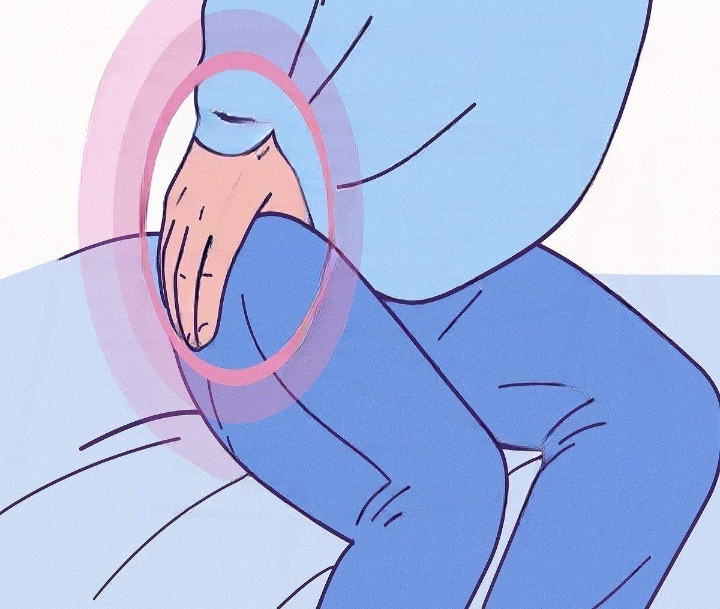
Hip pain is a common issue that many people experience at different stages of life. For some, it’s a minor discomfort that fades away on its own. For others, the pain can be more persistent, affecting everyday activities such as walking, sitting, exercising, or even sleeping. Because the hip joint plays a key role in body movement—connecting the upper and lower body—pain in this area can have various causes.
It’s also important to note that hip pain doesn’t always originate from the hip itself. Sometimes, the discomfort comes from nearby structures like the lower back, pelvis, or knees, and can radiate into the hip region. This is known as referred pain. By paying attention to the location and nature of your pain, you can get helpful clues about its source.
In this guide, we’ll break down hip pain into three main areas: the outside of the hip, the front (groin) area, and the back (buttock) region. We’ll also cover common causes, symptoms, and general approaches to relief.
Pain on the Outside of the Hip
Pain on the outer side of the hip is a frequent complaint, particularly among adults who are active or spend long hours sitting or standing.
1. Greater Trochanteric Pain Syndrome (GTPS)
This condition affects the tissues surrounding the outer hip, including the tendons and bursae (fluid-filled sacs that reduce friction).
- What it feels like: A dull ache or sharp pain on the side of the hip, which worsens when lying on that side, climbing stairs, walking uphill, or standing up from a seated position.
- Who is more likely to experience it: Middle-aged adults (especially women), runners, and those with tight muscles around the hips and thighs.
- What may help: Stretching, strengthening exercises, avoiding aggravating activities, and applying cold packs after activity. A healthcare provider may recommend physical therapy or other treatments.
2. Iliotibial (IT) Band Syndrome
The iliotibial band is a thick band of tissue that runs from the hip to the knee. When it becomes tight or irritated, it can cause pain along the outside of the hip.
- What it feels like: Pain that may extend from the outer hip down toward the knee, often worsening during repetitive activities like walking or running.
- Helpful approaches: Stretching, foam rolling, and strengthening surrounding muscles—especially the glutes—can improve flexibility and reduce strain.
Pain in the Front of the Hip (Groin Area)
Pain in the front of the hip or groin area can often be related to joint problems.
1. Osteoarthritis of the Hip
Osteoarthritis involves the gradual wear and tear of cartilage in the hip joint, leading to pain and stiffness.
- What it feels like: A deep, aching sensation in the groin or upper thigh. Stiffness, especially in the morning or after long periods of sitting, is common.
- Who it affects: Adults over 50, particularly those with a family history of joint issues or prior hip injuries.
- Management options: Maintaining a healthy weight, staying active with low-impact exercises, and working with a healthcare provider for a personalized care plan. In severe cases, surgery may be considered.
2. Hip Labral Tear
The labrum is cartilage that helps stabilize the hip joint. A tear can cause discomfort and instability.
- What it feels like: Sharp pain in the groin, with a sensation of catching or locking during movement.
- Who may experience it: Athletes or people who perform repetitive twisting movements.
- What may help: Activity modification, guided exercises, and professional evaluation for the best treatment options.
3. Femoroacetabular Impingement (FAI)
This occurs when the hip joint’s bones rub against each other due to an irregular joint shape.
- What it feels like: Pain in the groin, reduced flexibility, and stiffness, especially with prolonged sitting or deep bending movements.
- Who it affects: Younger, active individuals.
- Management: Targeted exercises, posture adjustments, and avoiding pain-triggering movements. A specialist can help if symptoms persist.
Pain in the Back of the Hip or Buttock Area
Pain in the back of the hip is sometimes related to issues in the lower back or surrounding muscles.
1. Sciatica (Nerve-Related Pain)
This type of pain results from irritation or compression of a nerve in the lower back.
- What it feels like: Sharp, burning, or electric-like pain that starts in the lower back or buttock and may radiate down the leg. Tingling or numbness can also occur.
- What may help: Gentle movements, stretching, and maintaining good posture. A healthcare provider can offer additional guidance if the pain is severe.
2. Piriformis Syndrome
The piriformis is a small muscle in the buttock. If it becomes tight or inflamed, it may press on nearby nerves, causing pain.
- What it feels like: Pain deep in the buttock, which may radiate down the leg. Sitting for long periods or climbing stairs can worsen the pain.
- Helpful strategies: Stretching, improving flexibility, and avoiding prolonged sitting can help relieve the pressure on the piriformis muscle.
When Should You Seek Medical Advice?
While most cases of hip pain improve with rest and basic care, there are signs that should not be ignored:
- Severe or worsening pain
- Inability to bear weight on the affected side
- Joint instability or locking
- Swelling, redness, or warmth in the hip
- Symptoms lasting more than a few weeks
If any of these signs are present, it’s important to seek medical advice. Early intervention can help prevent more serious conditions from developing.
Simple Everyday Tips for Supporting Hip Health
Taking care of your hips doesn’t have to be complicated. Small, daily habits can make a big difference over time:
- Stay active: Engage in low-impact exercises like walking or swimming to maintain joint mobility.
- Stretch regularly: Stretching helps maintain flexibility and reduces tension in the hip area.
- Take breaks: Avoid sitting for extended periods—stand up, stretch, or walk around periodically.
- Practice good posture: Use proper posture when standing, walking, or lifting.
- Wear supportive shoes: Proper footwear can help maintain alignment and reduce strain on the hips.
Final Thoughts
Hip pain can be caused by a variety of issues, ranging from muscle strain to joint degeneration. By identifying the location and nature of the pain, you can get valuable clues about the underlying issue. For many people, hip pain can be managed with lifestyle adjustments, targeted exercises, and professional care when needed.
If your symptoms persist or worsen, it’s important to consult with a healthcare provider for a thorough evaluation and tailored treatment plan. With the right approach, most people can reduce discomfort, restore movement, and continue to enjoy their daily activities.