Have you ever noticed how much communication happens without words? While we often focus on facial expressions and gestures, there’s another layer of human expression that often goes unnoticed—movement, posture, and the way we carry ourselves. Among the many forms of nonverbal communication, our legs play a particularly important role. They support the body, guide our motion, and subtly reflect how we interact with the world around us.
In this article, we explore how legs and their movements are shaped by our daily habits, environment, and individual body structure. This isn’t about judging appearance or adhering to any ideal standard of beauty—rather, it’s about understanding how our natural anatomy, lifestyle, and choices influence how we stand, walk, and move.
A Natural Form of Expression
Human bodies are highly adaptive, and this adaptability reflects in how we move. Every action—how we stand in line, shift our weight, or walk across the room—often happens unconsciously. Yet these movements reveal a lot about our comfort levels, balance, and physical conditioning.
For example, someone who spends long hours standing might develop a different stance than someone who spends most of their day sitting. These differences aren’t “right” or “wrong”—they’re just results of our routines, and understanding them requires curiosity rather than assumption. What we see when observing someone’s posture or gait is a snapshot of their body’s natural function in a given moment.
The Diversity of Leg Structure
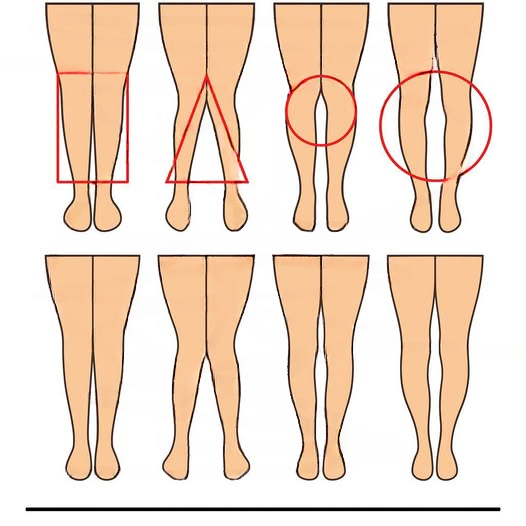
One of the most important things to understand is that there is no single “standard” or “ideal” leg shape. Human anatomy varies widely—shaped by genetics, bone structure, and muscle distribution. Some people have legs that align closely from hips to ankles, while others may have a slight inward or outward angle in the knees. Differences in the spacing between the thighs, knees, or ankles, as well as natural curves, all influence posture and walking patterns.
These variations are normal, and they don’t represent flaws or imperfections. They’re simply part of the natural diversity of the human body. Just like height or shoulder width, leg structure is unique to each individual. Instead of comparing, it’s more meaningful to appreciate how each person’s body supports their movement and balance.
Posture and Alignment
How we stand or sit isn’t just about looking “straight.” It’s about how we distribute our weight and maintain balance. A well-aligned posture helps:
- Distribute weight evenly between both legs
- Keep the spine in a neutral position
- Promote efficient and stable movement
When posture is less balanced, often due to fatigue, prolonged sitting, or lack of movement, the body compensates in subtle ways—like shifting weight to one side, bending one knee more than the other, or standing with the feet turned in or out. These aren’t signs of weakness or “bad posture.” They’re natural adjustments the body makes to maintain balance.
Making small changes—such as stretching, strengthening, or adjusting daily habits—can improve comfort and alignment, but they don’t necessarily “fix” anything. Rather, they help the body function more efficiently.
Movement as a Reflection of Lifestyle
How we move often reveals our daily routines and physical activities. For example:
- Someone who walks often may develop a steady stride and endurance.
- A person who practices yoga might move with greater flexibility and control.
- Athletes may display strength and coordination in their movements.
While these patterns don’t define personality, they provide insight into lifestyle choices. Movement is essentially physical memory—shaped by repetition over time. And importantly, these habits are flexible. If someone changes their routine—like starting a new sport or spending more time sitting—their movement will adapt accordingly. The body’s ability to adjust is one of its greatest strengths.
The Role of Fashion and Personal Style
What we wear often reflects our body structure and movement habits. People naturally gravitate toward clothing that feels comfortable and allows for free movement. For example:
- Flowing fabrics may emphasize natural movement.
- Structured designs may highlight body alignment.
- Athletic wear can reflect active lifestyles and routines.
Fashion is about self-expression and comfort—not about hiding or “correcting” the body. Everyone has their own preferences, and what works for one person might not feel right for someone else. By choosing clothing that supports their daily activities, many people gain confidence, expressing their individuality instead of following rigid standards.
Common Misconceptions
There are many myths about body structure, especially when it comes to legs. One of the most common misconceptions is the belief that certain features of the legs are directly linked to fitness or health.
However, in reality:
- Bone structure cannot be altered by exercise.
- While muscle tone can improve strength, it doesn’t change the alignment of bones or the natural spacing between body parts.
- Features like the space between thighs or knees are determined by anatomy, not effort.
Recognizing these facts helps reduce unnecessary pressure and unrealistic expectations. Health should be measured through factors like strength, mobility, and overall well-being—not appearance.
Strength, Function, and Well-Being
Ultimately, legs are built for movement. They allow us to walk, run, jump, and maintain balance. Shifting the focus from appearance to function provides a more meaningful perspective on our bodies.
Key aspects of healthy movement include:
- Flexibility: To allow for a full range of motion.
- Strength: To support the body’s weight and movement.
- Balance: To prevent strain or injury.
Regular activities like walking, stretching, and light exercises can support these goals. The key is consistency and comfort—rather than intensity or comparison.
A Balanced Perspective
In a world where bodies are often analyzed, scrutinized, and compared, it’s essential to take a step back and remember that bodies are dynamic—they change over time based on life’s demands. What matters most is:
- Feeling comfortable in your own body
- Maintaining mobility and strength
- Respecting natural variation
No single body feature defines a person’s worth. Every individual is shaped by a unique combination of genetics, experiences, and choices. Embracing these differences helps build a healthier, more respectful understanding of the body.
Appreciating Individual Differences
When we look at bodies as dynamic, diverse, and ever-evolving, it becomes clear that human movement is fascinating because of its individuality. Every person’s way of standing, walking, and moving is unique. These differences are what make human movement interesting—not a hierarchy of one body type over another.
By appreciating these differences with curiosity rather than judgment, we create a more positive, realistic view of the body. Rather than focusing on comparison, we can shift our focus to understanding and respecting the wide variety of body types that exist.
Conclusion
Legs are more than just physical features—they are foundational to movement, balance, and daily life. They silently communicate posture, habits, and how we interact with the world. But these signals aren’t fixed messages or markers of worth. Instead, they offer insights into how our bodies function and adapt.
By focusing on function over appearance, we can appreciate the natural diversity of human anatomy. Each person’s body is built differently, and those differences are not problems to solve—they are part of what makes each person unique.
In the end, what truly matters is not how our legs look, but how they support our movement, comfort, and well-being. Recognizing this shift brings us closer to a more balanced, respectful understanding of the human body—one that values strength, individuality, and the quiet power of everyday life.