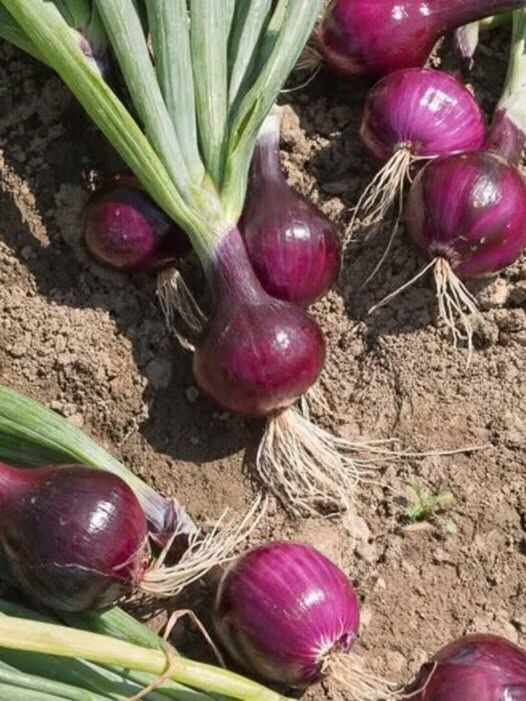
Onions are one of the most widely used ingredients in kitchens around the world. Whether added to soups, salads, stir-fries, or sauces, they bring a distinctive flavor that enhances countless dishes. But beyond their culinary appeal, onions have long been valued for their potential health benefits.
For centuries, traditional practices have used onions for everything from supporting digestion to helping the body recover during illness. Today, modern research and medical insights provide a clearer picture of how onions actually affect the human body—revealing both their advantages and some important considerations.
Understanding how onions influence your health can help you make better dietary choices and use this everyday ingredient more effectively.
Nutritional Value: Small Vegetable, Big Impact
Onions may seem simple, but they are surprisingly rich in nutrients. Despite being low in calories, they provide a range of essential compounds that support overall health.
They are a good source of vitamin C, which plays a key role in immune defense, skin health, and protecting cells from damage. Onions also contain B vitamins, which help convert food into energy and support brain function.
In addition, onions supply important minerals such as potassium, which helps regulate blood pressure, and magnesium, which supports muscle and nerve function.
One of their most valuable components is fiber, particularly a type known as prebiotic fiber. This helps nourish beneficial bacteria in the gut, contributing to better digestion and overall wellness.
On top of that, onions are rich in antioxidants, including compounds like quercetin. These substances help reduce inflammation and protect the body from oxidative stress, which is linked to many chronic conditions.
Heart Health and Circulation
One of the most studied benefits of onions is their effect on cardiovascular health.
Research suggests that onions may help support the heart in several ways. Certain compounds found in onions can help relax blood vessels, improving circulation and potentially lowering blood pressure. This effect may be especially helpful for individuals managing hypertension.
Onions may also contribute to healthier cholesterol levels. Some studies indicate that regular consumption can help reduce levels of LDL (often called “bad” cholesterol) while supporting HDL (“good” cholesterol).
Another important factor is their potential to influence blood clotting. Natural sulfur compounds in onions may help reduce excessive clot formation, supporting smoother blood flow.
While onions alone are not a treatment for heart conditions, including them as part of a balanced diet can support overall cardiovascular health.
Supporting the Immune System
Onions also play a role in strengthening the body’s natural defenses.
Their vitamin C content helps support immune function, while their plant compounds may assist the body in responding to infections more effectively. Some of these compounds also have natural antimicrobial properties, meaning they can help the body combat certain bacteria.
Additionally, the anti-inflammatory properties of onions may help reduce chronic inflammation, which is associated with many long-term health issues.
When combined with other nutrient-rich foods, onions can contribute to a diet that supports resilience against common illnesses.
Digestive Health and Gut Balance
One of the most important benefits of onions lies in their impact on digestion.
The prebiotic fiber found in onions helps feed beneficial gut bacteria. A healthy gut microbiome is essential for proper digestion, nutrient absorption, and even immune function.
Regular consumption of onions may help:
- Promote smoother digestion
- Support regular bowel movements
- Improve the balance of gut bacteria
However, this benefit comes with an important note. Some people—especially those with sensitive digestive systems—may find onions difficult to tolerate. Compounds known as fructans can ferment in the gut, potentially causing bloating, gas, or discomfort.
Cooking onions can often make them easier to digest, reducing the likelihood of these effects while still preserving many of their benefits.
Potential Role in Disease Prevention
Onions contain powerful antioxidants and plant compounds that may help protect the body over time.
These compounds work by reducing oxidative stress, a process that can damage cells and contribute to chronic diseases. Some research also suggests that onions may support the body’s natural detoxification processes, particularly in the liver.
There is growing interest in the potential link between onion consumption and reduced risk of certain diseases, particularly those affecting the digestive system. While more research is needed, including onions as part of a varied, plant-rich diet is generally considered beneficial.
It’s important to remember that no single food can prevent disease. However, consistent healthy choices—like including vegetables such as onions—can make a meaningful difference over time.
Blood Sugar and Metabolic Health
Onions may also offer benefits for individuals focused on maintaining stable blood sugar levels.
Some studies suggest that compounds in onions can improve how the body responds to insulin, the hormone responsible for regulating blood sugar. This can help reduce spikes in glucose levels after meals.
Including onions in meals—especially alongside carbohydrates—may contribute to more balanced energy levels throughout the day.
For individuals managing conditions like diabetes, onions can be a helpful addition to a balanced diet, though they should not replace medical advice or treatment.
Possible Side Effects and Considerations
While onions offer many health benefits, they are not suitable for everyone in all amounts.
Some individuals may experience digestive discomfort, particularly if they consume onions in large quantities or in raw form. This is especially common in people with conditions like sensitive digestion.
Onions can also contribute to acid reflux or heartburn in certain individuals, as they may relax the muscle that prevents stomach acid from rising.
Although uncommon, allergic reactions to onions can occur. Symptoms may include itching, swelling, or mild respiratory discomfort.
Another consideration is their natural effect on blood flow. Because onions may influence clotting, individuals taking medications that affect blood thinning should be mindful of very high consumption and consult a healthcare professional if needed.
Moderation and personal tolerance are key to enjoying onions safely.
Best Ways to Eat Onions
How you prepare onions can influence both their taste and their health effects.
- Raw onions retain the highest levels of certain nutrients and antioxidants, but they may be harder to digest for some people.
- Cooked onions are gentler on the stomach and still provide many health benefits.
- Lightly sautéed or roasted onions strike a balance between flavor and nutrition.
Different varieties also offer unique advantages. For example, red onions tend to contain higher levels of antioxidants, while yellow onions are more commonly used for their balanced flavor.
Pairing onions with other vegetables, healthy fats, and proteins can further enhance nutrient absorption and create well-rounded meals.
Simple Ways to Include Onions in Your Diet
Adding onions to your daily routine doesn’t have to be complicated. Here are a few easy ideas:
- Mix chopped onions into salads or sandwiches
- Add them to soups, stews, and sauces
- Sauté them with vegetables and lean proteins
- Use roasted onions as a flavorful side dish
- Incorporate them into omelets or grain bowls
Even small amounts, used consistently, can contribute to better overall nutrition.
A Balanced Approach to Health
While onions are beneficial, they are just one piece of a larger picture.
Good health depends on a combination of factors, including a balanced diet, regular physical activity, proper hydration, and sufficient rest. No single food can provide everything the body needs.
By including onions as part of a diverse and nutrient-rich diet, you can enjoy their benefits without relying too heavily on any one ingredient.
Conclusion: A Simple Ingredient with Lasting Value
Onions are far more than a kitchen staple—they are a nutrient-rich food with the potential to support multiple aspects of health.
From heart health and digestion to immune support and metabolic balance, their benefits are both broad and meaningful. At the same time, understanding individual tolerance and consuming them in moderation ensures that you can enjoy these benefits safely.
In the end, onions represent something simple yet powerful: the idea that everyday foods, used consistently and thoughtfully, can contribute to long-term well-being.
Adding onions to your meals isn’t just about flavor—it’s a small step toward a healthier lifestyle.