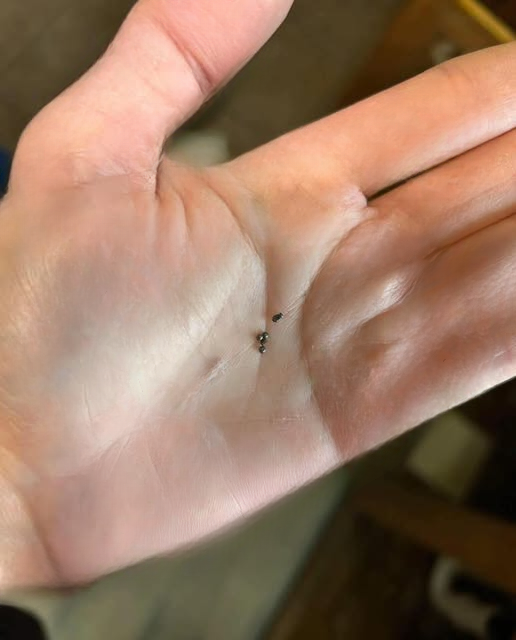
Discovering something unusual in your home can be unsettling — especially when it appears without warning. One moment you’re reaching under your kitchen sink to grab a cleaning spray or trash bags, and the next, you notice small metallic spheres scattered across the cabinet floor. They may look like ball bearings. Some might be shiny, while others appear dull, scratched, or even slightly rusty.
Your first thought might be confusion:
Where did these come from?
Is something broken?
Is this dangerous?
If you’ve found tiny metal balls under your kitchen sink, you’re not alone. This surprisingly common household mystery has a very logical explanation in most cases. And fortunately, the solution is usually simple, affordable, and easy to handle.
In this detailed guide, we’ll walk through:
-
The most common reason metal balls appear under sinks
-
How modern pull-out and pull-down faucets work
-
Step-by-step instructions to identify the source
-
How to fix the issue safely
-
Other possible (but less common) causes
-
Preventive maintenance tips
-
When to call a professional
By the end, you’ll understand exactly what those metal balls mean — and how to make sure they don’t show up again.
Why Small Metal Balls Appear Under Kitchen Sinks
When metal spheres appear under your sink, it almost always points to one specific component: the faucet hose counterweight.
Modern kitchen faucets, especially pull-out and pull-down models, include a hidden mechanism that helps the spray hose retract smoothly after you use it. That mechanism relies on a counterweight attached to the hose beneath the sink.
Inside many of these counterweights are small metal balls. When the weight casing cracks or splits open due to age or wear, those balls spill out and scatter inside the cabinet.
At first glance, they may seem mysterious. But in reality, they are part of a very practical engineering design.
Let’s take a closer look at how that design works.
How Pull-Out and Pull-Down Faucets Function
Pull-out and pull-down faucets are designed for convenience. They allow you to extend the spray head away from the faucet base to:
-
Rinse large pots
-
Clean the sink basin
-
Fill containers
-
Direct water precisely
When you release the spray head, it retracts back into position automatically. That smooth retraction doesn’t happen by magic — it happens because of a counterweight system installed underneath the sink.
The weight balances the hose so gravity can pull it back into place.
Without the weight, the hose would sag or fail to retract fully.
What Is a Faucet Counterweight?
A faucet counterweight is a small weighted device clipped or fastened onto the flexible hose beneath the sink.
It typically:
-
Attaches midway along the hose
-
Moves up and down when the hose is extended
-
Uses gravity to pull the hose back
Some counterweights are solid pieces of metal. Others are hollow casings filled with small steel balls to create the necessary mass.
When everything is intact, you’ll never notice it working.
But if the casing fails, the metal balls spill out — and that’s when you find them.
Why Faucet Weights Break
Like any mechanical component, faucet counterweights experience wear over time.
Several factors can cause them to fail:
1. Age and Material Fatigue
Plastic casings can become brittle. Metal housings can weaken at seams. Over years of repeated movement, small cracks may form.
2. Frequent Pulling
If the faucet hose is pulled forcefully or frequently extended to its maximum length, extra stress is placed on the weight.
3. Moisture Exposure
Under-sink cabinets are humid environments. Minor leaks or condensation can contribute to corrosion.
4. Installation Shifts
If the hose rubs against plumbing or stored items, friction can weaken the housing.
Eventually, the casing splits open — and gravity does the rest.
How to Confirm the Source of the Metal Balls
If you’ve discovered small metallic spheres under your sink, here’s how to determine whether the faucet weight is responsible.
Step 1: Clear the Cabinet
Remove cleaning supplies and storage items to create space and improve visibility.
Step 2: Locate the Faucet Hose
Look for the flexible hose extending down from the faucet.
Step 3: Find the Counterweight
You should see a weighted piece attached around the hose.
Step 4: Inspect for Damage
Look for:
-
Cracks
-
Split seams
-
Missing sections
-
Loose halves
If you see a broken casing or an empty shell, you’ve found your answer.
What If You Don’t See a Counterweight?
Some faucets use alternative retraction systems, such as magnetic docking mechanisms. A well-known example of magnetic docking technology can be found in certain models made by Delta Faucet Company.
If your faucet uses magnets instead of weights, the metal balls may be coming from another source — which we’ll cover shortly.
Replacing a Broken Faucet Weight: Step-by-Step Guide
The good news: replacing a faucet counterweight is inexpensive and straightforward.
You don’t usually need a plumber.
What You’ll Need
-
Replacement faucet weight (check your faucet brand/model)
-
Flashlight
-
Towel (optional)
Step 1: Purchase the Correct Replacement
Visit a hardware store or order online. Universal weights are available, but matching the size and style is ideal.
Step 2: Remove the Damaged Weight
If the old weight is clipped on, gently unclip it. If screwed together, unscrew and remove both halves.
Step 3: Clean the Area
Remove any spilled metal balls and wipe away moisture.
Step 4: Install the New Weight
Attach it at the same location on the hose where the old one was positioned.
Step 5: Test the Faucet
Pull the hose out and release it. It should retract smoothly and fully.
That’s it.
Are the Metal Balls Dangerous?
In most cases, no.
The balls are typically small steel bearings. They are not toxic or hazardous. However:
-
Keep them away from children and pets.
-
Avoid leaving them loose on the floor (they can roll and cause slips).
-
Dispose of them properly.
They are a mechanical component, not a contaminant.
Other Possible Sources (Less Common)
If the faucet weight appears intact, consider these alternatives.
1. Dishwasher Components
If your dishwasher is connected under the sink, inspect hoses and connections. Brands such as Whirlpool Corporation produce dishwashers that contain internal pumps and mechanical assemblies. While rare, internal parts can degrade.
Look for:
-
Loose hardware
-
Unusual noises
-
Water leaks
2. Garbage Disposal Wear
Garbage disposals contain metal components that rotate and grind food waste. A malfunctioning unit — such as those produced by InSinkErator — may occasionally shed fragments if damaged.
Turn off power before inspecting.
3. Pipe Corrosion
Older plumbing systems, especially galvanized pipes, can corrode internally. Flakes or fragments may occasionally break loose.
If you suspect pipe corrosion:
-
Look for rust stains
-
Check water discoloration
-
Consider professional inspection
Preventing Future Occurrences
Once you’ve resolved the issue, take steps to prevent recurrence.
Inspect Every 6–12 Months
Look for cracks or weakened plastic.
Avoid Overextending the Hose
Pull gently and avoid snapping it back into place.
Keep the Cabinet Dry
Fix leaks quickly. Use absorbent mats if needed.
Store Items Carefully
Avoid placing heavy objects against the hose or weight.
When to Call a Professional
While most cases are simple, call a plumber if:
-
You see persistent leaks
-
Water pressure changes suddenly
-
Rust appears in tap water
-
The hose fails to retract even after weight replacement
A licensed plumber can quickly identify deeper issues.
Why This Problem Feels Mysterious
Unexpected mechanical debris in your home can feel alarming because:
-
It appears suddenly
-
It has no obvious source
-
It looks industrial
But plumbing systems are mechanical assemblies hidden from view. When a small part fails, its pieces sometimes become visible.
This situation is more surprising than serious.
The Engineering Behind the Design
Using small metal balls inside a casing is a cost-effective way to create:
-
Even weight distribution
-
Compact size
-
Flexible design
The design allows manufacturers to produce consistent retraction strength across various faucet models.
It’s practical — even if it looks strange when it breaks.
Signs You May Need a New Faucet Entirely
If your faucet shows multiple symptoms, consider replacement:
-
Frequent leaks
-
Loose handle
-
Corroded finish
-
Persistent retraction problems
Modern faucets often last 10–20 years depending on quality and usage.
Environmental Considerations
If replacing a faucet weight:
-
Recycle metal components when possible
-
Avoid flushing metal debris
-
Dispose responsibly
Small steps help reduce waste.
The Bottom Line
Finding small metal balls under your kitchen sink may seem mysterious at first — but in most cases, it simply means your faucet counterweight has failed.
The fix is:
-
Affordable
-
Quick
-
DIY-friendly
It’s not typically a sign of serious plumbing trouble.
By inspecting your faucet hose and replacing the weight if necessary, you can restore normal function within minutes.
Final Reassurance
Household surprises can be unsettling, especially when their origin isn’t obvious. But this particular issue is one of the more harmless and manageable ones you might encounter in your kitchen.
So if you discover tiny metallic spheres rolling around under your sink:
Take a breath.
Check your faucet weight.
Replace it if needed.
And enjoy the peace of mind that comes from solving yet another small home mystery.