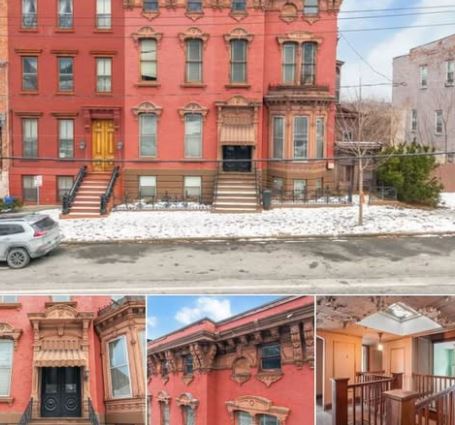
Investing in historic real estate has always held a unique appeal. Beyond financial considerations, such properties offer a tangible connection to the past, showcasing architectural styles and craftsmanship that are difficult to replicate in modern construction. In today’s market, opportunities to acquire large-scale historic homes in established heritage districts are becoming increasingly uncommon.
One such opportunity has emerged in Albany, New York. Located at 93 Ten Broeck Street, this substantial Victorian-era property presents a compelling prospect for buyers who are interested in restoration, redevelopment, or long-term property investment. With its generous size, distinctive architectural features, and placement within a recognized historic district, this property offers both challenges and possibilities.
This article provides a detailed, balanced overview of the property, its potential uses, the surrounding neighborhood, and key considerations for prospective buyers.
Property Overview: Size, Layout, and Structure
The property at 93 Ten Broeck Street is notable for its scale. With approximately 5,800 square feet of interior space, it stands out as a large residential structure, particularly within a historic district.
Inside, the building contains more than 30 rooms, including 22 bedrooms and 9 full bathrooms. This configuration reflects a design that may have evolved over time, potentially accommodating multiple occupants or uses in the past. Properties with this level of interior capacity are relatively rare, especially those located within historically significant neighborhoods.
The size and layout of the building provide flexibility for a variety of potential uses. However, it is important to note that any future plans must align with local zoning regulations and building codes. Buyers are encouraged to consult with local authorities and professionals before making decisions about redevelopment or conversion.
Included Additional Parcel
In addition to the main structure, the sale includes a neighboring parcel located at 89 Ten Broeck Street. This added land contributes additional value and opens the door to further possibilities.
Depending on local regulations and project goals, the extra parcel may be used for:
- Outdoor space or landscaping
- Parking accommodations
- Future expansion (where permitted)
- Auxiliary structures or amenities
Having additional land in a historic urban setting is often advantageous, as it allows for more comprehensive planning and improved functionality.
Architectural Character and Historical Context
The property was constructed during the Victorian era, a period known for its emphasis on detail, craftsmanship, and visual appeal. Homes from this era often feature distinctive design elements that reflect the architectural preferences of the late 19th century.
Although the building requires renovation, many original characteristics may still be present. These can serve as a foundation for restoration and may include:
- High ceilings that enhance openness and light
- Large windows that provide natural illumination
- Decorative trim and architectural detailing
- Spacious room layouts with flexible use
Preserving and restoring such features can contribute to maintaining the historical integrity of the structure while allowing for modern updates where appropriate.
Location: The Arbor Hill / Ten Broeck Triangle Historic District
The property is located within the Arbor Hill / Ten Broeck Triangle Historic District in Albany. This area is recognized for its concentration of 19th-century architecture and its historical significance within the city.
Historic districts often attract individuals who value preservation, architectural identity, and community character. At the same time, these areas may be subject to specific guidelines intended to maintain their historical appearance.
Living or investing in such a district can offer several advantages:
- A unique and visually cohesive neighborhood environment
- Proximity to downtown Albany and key amenities
- Continued interest in preservation and revitalization efforts
- Potential long-term stability in property values
The neighborhood provides access to local services, cultural venues, and public institutions, making it both historically rich and practically convenient.
Zoning and Potential Uses
The property is currently zoned for residential townhouse use (R-T). This classification generally allows for up to three residential units, often structured as one unit per floor.
This zoning designation may appeal to buyers interested in:
- Multi-unit residential development
- Rental income opportunities
- Long-term investment strategies
However, zoning regulations can change, and permitted uses may vary based on specific circumstances. It is essential for prospective buyers to verify current zoning details with local authorities and ensure that any planned use complies with applicable regulations.
Redevelopment Possibilities
Given its size and layout, the property offers multiple potential redevelopment paths. While each option requires careful planning and compliance with local rules, some possibilities include:
1. Multi-Unit Residential Conversion
The building could potentially be reconfigured into separate residential units, providing housing for multiple tenants. This approach may be suitable for investors seeking rental income.
2. Single-Family Restoration
Another option is to restore the property as a large single-family residence. This would involve redesigning the interior layout to suit modern living while preserving historic elements.
3. Small-Scale Hospitality Use
Where permitted, the property could be adapted for guest accommodations, such as a boutique-style lodging concept. This would require adherence to local regulations governing such uses.
4. Mixed-Use Development
In some cases, combining residential and other permitted uses may be possible. Buyers should confirm all options with local planning authorities before proceeding.
Each of these approaches comes with its own requirements, costs, and timelines. Careful evaluation is necessary to determine which strategy aligns best with the buyer’s goals.
Renovation Considerations
It is important to approach this property with a clear understanding that it requires substantial renovation. It is not move-in ready and will need significant improvements to reach modern standards.
Key areas that may require attention include:
- Structural integrity and stabilization
- Roofing and exterior repairs
- Plumbing, electrical, and HVAC systems
- Interior finishes and layout adjustments
- Compliance with current building codes
Additionally, because the property is located within a historic district, certain renovations may need to follow specific guidelines. These requirements are designed to preserve the visual and historical character of the area.
Working with experienced professionals—such as contractors, architects, and preservation specialists—can help ensure that renovations are both effective and compliant.
Financial Considerations and Incentives
Investing in a historic property often involves higher upfront costs due to renovation requirements. However, there may also be financial programs available to support such projects.
Properties located within designated historic districts may qualify for certain incentives, such as:
- Historic preservation tax credits (subject to eligibility)
- Local or state-level grant programs
- Financing options tailored to restoration projects
These programs typically come with specific conditions and approval processes. Buyers should research available opportunities and consult with professionals who are familiar with historic property financing.
It is important to approach financial projections realistically and avoid assumptions about guaranteed returns. Like any investment, outcomes depend on market conditions, project execution, and other variables.
Market Context: Albany’s Development Trends
Albany, as the capital of New York State, offers a stable economic environment supported by government institutions, educational facilities, and regional commerce.
In recent years, there has been growing interest in revitalizing historic neighborhoods within the city. Areas like the Ten Broeck Triangle have gained attention due to their architectural character and proximity to downtown.
Factors contributing to the area’s appeal include:
- Access to employment centers
- Continued community investment
- Demand for distinctive housing options
- Ongoing preservation efforts
While no investment is without risk, properties in historically significant and improving areas may benefit from broader neighborhood development trends over time.
Practical Features
In addition to its architectural and historical attributes, the property includes practical features that can enhance usability. One notable example is off-street parking, which can be particularly valuable in urban settings where parking is limited.
Such features can improve convenience for residents or occupants and may contribute positively to the property’s overall functionality.
Suitability for Different Buyers
This property is best suited for individuals or organizations prepared to undertake a comprehensive renovation project. It may be particularly appealing to:
- Real estate investors with experience in redevelopment
- Buyers interested in historic preservation
- Developers seeking unique, large-scale projects
- Individuals looking to create a distinctive residence
It is less suitable for buyers seeking a move-in-ready home or a low-maintenance investment.
Key Steps Before Purchase
Before proceeding with a purchase, prospective buyers should take several important steps:
- Conduct a thorough property inspection
- Review zoning and permitted uses with local authorities
- Estimate renovation costs with qualified professionals
- Research available financial incentives
- Evaluate long-term goals and feasibility
Taking these steps can help ensure that the investment aligns with expectations and resources.
Balancing Preservation and Modernization
One of the most rewarding aspects of restoring a historic property is the opportunity to balance preservation with modern living standards. This involves maintaining original features while incorporating updates that improve comfort, safety, and efficiency.
Thoughtful restoration can result in a space that respects its historical roots while meeting contemporary needs.
Long-Term Perspective
Projects of this nature typically require patience, planning, and sustained effort. Renovation timelines can be lengthy, and unexpected challenges may arise.
However, for those committed to the process, the outcome can be a unique property that stands apart from standard real estate offerings. Whether used as a residence, rental property, or other permitted purpose, such buildings often carry a distinct identity.
Conclusion
The property at 93 Ten Broeck Street in Albany represents a rare opportunity to acquire a large Victorian-era structure within a recognized historic district. With its substantial size, architectural character, and included additional parcel, it offers a wide range of possibilities for redevelopment.
At the same time, it requires careful consideration, significant renovation, and adherence to local regulations. It is not a turnkey investment, but rather a project suited to those with vision, resources, and a willingness to engage in restoration work.
For buyers interested in historic real estate, this property provides an opportunity to contribute to the preservation of architectural heritage while creating a functional space for modern use.
With proper planning and execution, it has the potential to become a meaningful and distinctive part of Albany’s evolving landscape.