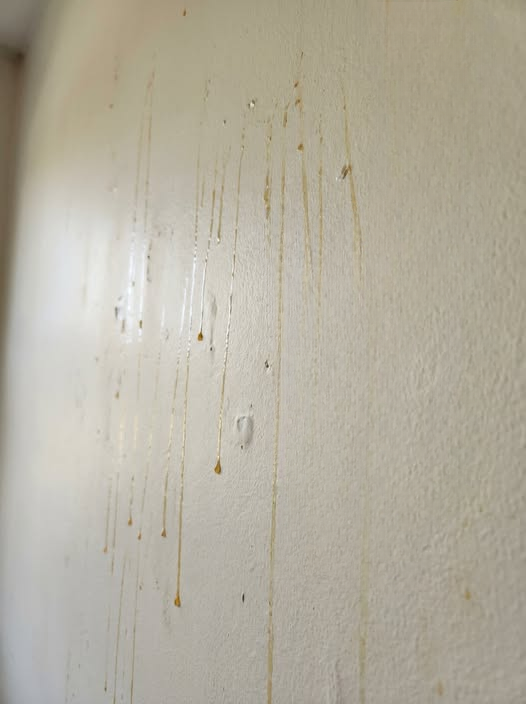
Walking into your bathroom and suddenly noticing yellow streaks or drips running down the walls can be surprising. Even in a clean home, these marks can appear without warning, leaving many homeowners confused or concerned.
Your first thoughts might be:
- Is something wrong with my bathroom?
- Does this mean there is hidden damage?
- Is it a sign of poor cleaning or hygiene?
If you have seen this happen, you are definitely not alone. Many households experience similar discoloration at some point, especially in rooms where moisture and steam are constantly present.
The encouraging news is that yellow streaks are usually not a serious problem. In most cases, they are caused by everyday household conditions and can be removed or prevented once you understand what is triggering them.
In this guide, we will explore the possible reasons behind these stains, how to identify their source, safe cleaning methods, and practical prevention tips to keep your bathroom looking fresh and clean.
Why Bathrooms Are Prone to Stains and Discoloration
Bathrooms are one of the most humid areas in any home. Unlike other rooms, they are regularly exposed to:
- Hot water and steam
- Constant humidity changes
- Limited airflow in many cases
- Frequent use of cleaning and personal care products
When warm water turns into steam, it spreads throughout the room and settles on surfaces like walls, ceilings, mirrors, and fixtures. Over time, this moisture can mix with particles in the air or residues on surfaces, slowly creating visible marks or streaks.
Even if you clean regularly, the environment itself can still lead to gradual buildup.
This is why bathroom walls often show signs of discoloration sooner than other parts of the home.
Common Reasons for Yellow Streaks on Bathroom Walls
There is not just one cause for yellow marks. Instead, several everyday factors can contribute to their appearance.
1. Airborne Particle Buildup
One of the most common causes is residue from particles in the air.
These particles can come from:
- Cooking fumes
- Candle smoke
- Household dust
- Previous indoor air exposure
When these tiny particles settle on bathroom walls and combine with moisture, they can slowly form yellowish streaks. These marks may not be noticeable at first, but repeated exposure to steam can make them more visible over time.
2. Soap and Personal Care Product Residue
Bathrooms are filled with products that can leave behind thin layers of residue.
Soaps, shampoos, conditioners, and body washes often contain oils and additives that do not fully rinse away from surfaces. When mixed with water and steam, they can form a sticky film.
Over time, this buildup can:
- Change color
- Stick to painted or tiled surfaces
- Slowly drip downward when exposed to moisture
This is especially common around showers, bathtubs, and sinks where water splashes frequently occur.
3. Hard Water Mineral Deposits
If your home uses hard water, mineral buildup may also be responsible.
Hard water contains natural minerals such as calcium and magnesium. When water evaporates, these minerals remain behind on surfaces.
This can lead to:
- Light yellow or off-white streaks
- Chalky residue on walls or tiles
- Gradual buildup in frequently wet areas
These deposits often become more noticeable in areas that are repeatedly exposed to water and steam.
4. Moisture-Related Surface Changes
Bathrooms with poor ventilation can sometimes experience moisture retention on walls and ceilings.
When surfaces remain damp for long periods, they may begin to show early signs of change, such as discoloration.
Warning signs may include:
- Slight yellow or brown tinting
- Soft or uneven patches on paint
- Musty smell in the bathroom
If moisture is trapped for long periods, it can slowly affect wall finishes and contribute to visible streaking.
5. Aging or Low-Quality Paint
Sometimes the issue is not dirt or buildup at all—it is the paint itself.
Bathrooms require moisture-resistant paint because of constant humidity. If standard paint is used, or if the paint is old, it may begin to break down over time.
This can result in:
- Yellowing patches
- Uneven color changes
- Visible streaks forming as paint reacts to humidity
Older bathrooms are especially prone to this issue.
How to Identify the Real Cause
Before cleaning the stains, it is helpful to understand what you are dealing with.
Take a closer look and ask yourself:
- Where exactly are the streaks located?
- Are they near water sources like showers or sinks?
- Do they feel sticky, dry, or chalky?
- Is there any unusual odor?
Here is a simple way to interpret what you see:
- Sticky or greasy residue → likely soap or product buildup
- Chalky or powdery texture → mineral deposits from water
- Damp smell or spreading patches → moisture-related buildup
- Even discoloration across walls → possible paint aging or reaction
Understanding the cause helps you choose the safest and most effective cleaning method.
Safe and Effective Ways to Clean Yellow Streaks
Once you identify the likely source, you can begin cleaning using simple household methods.
1. Gentle Soap Cleaning (Best for Light Stains)
For mild buildup or unclear causes, start with a basic cleaning solution.
You will need:
- Warm water
- Mild dish soap
- Soft sponge or microfiber cloth
Gently wipe the affected area in circular motions. This method removes surface-level dirt and is safe for most wall finishes.
2. Vinegar Solution for Mineral Deposits
For stains caused by hard water, a mild acidic solution can help break down deposits.
Mix:
- 1 part white vinegar
- 3–4 parts water
Apply the solution to the stain and let it sit for a few minutes before wiping clean. This helps dissolve mineral residue without damaging most surfaces.
3. Baking Soda for Stubborn Marks
For more persistent stains, baking soda works as a gentle abrasive cleaner.
Create a paste using:
- Baking soda
- A small amount of water
Apply it to the stain and gently scrub using a soft cloth. This helps lift buildup without scratching walls or tiles.
4. Deep Cleaning for Moisture-Related Areas
If moisture buildup is the cause, regular cleaning may not be enough.
In such cases:
- Improve ventilation in the bathroom
- Use moisture-absorbing solutions
- Wipe down walls regularly after showers
In some situations, repainting with moisture-resistant paint may also be necessary.
How to Prevent Yellow Streaks from Returning
Once your walls are clean, prevention becomes the key focus.
Here are some practical steps:
- Improve bathroom ventilation using exhaust fans or windows
- Wipe down wet surfaces regularly
- Avoid excessive product buildup on walls
- Clean walls lightly once a week
- Use moisture-resistant paint in high-humidity areas
These small habits can significantly reduce the chances of stains returning.
Final Thoughts
Yellow streaks on bathroom walls may look concerning at first, but in most cases, they are caused by everyday household factors such as moisture, soap residue, or mineral deposits.
With proper identification and simple cleaning methods, these stains can usually be removed easily. Even more importantly, a few preventive habits can keep your bathroom looking clean and fresh over the long term.
Understanding the cause is the first step—taking action is the second.
And once both are done, maintaining a spotless bathroom becomes much easier than it seems.