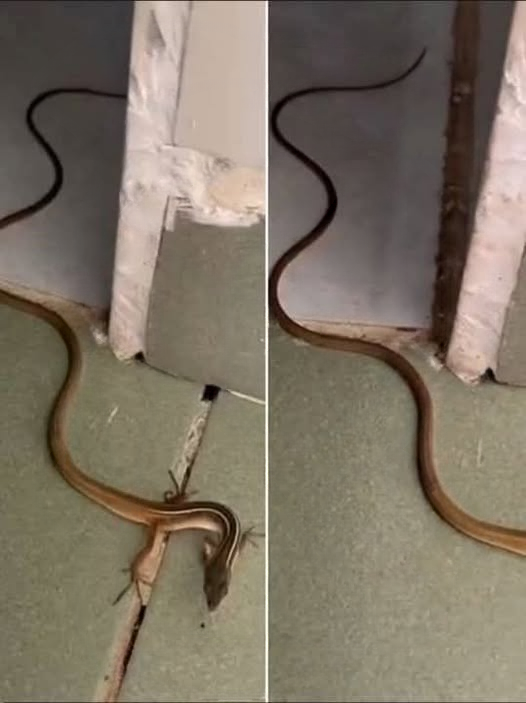
Discovering a snake inside your home can be an unexpected and unsettling experience. For many people, the immediate reaction is a mix of surprise, concern, and uncertainty about what to do next. Questions often arise quickly: Why did it come inside? Is this common? Should I be worried?
While stories and cultural beliefs sometimes attach symbolic meaning to such encounters, experts in wildlife behavior and environmental science consistently emphasize that there are logical, natural explanations behind these situations. Snakes do not enter homes with intent related to people—they are simply responding to their surroundings and basic survival needs.
Understanding why snakes occasionally appear indoors, how to respond safely, and what steps you can take to prevent future encounters can help turn a stressful moment into a manageable situation.
Why Snakes Sometimes Enter Homes
Snakes are part of many ecosystems around the world, and their movements are guided by instinct rather than intention. When a snake enters a home, it is typically searching for one of three things: shelter, food, or a stable environment.
1. Looking for Shelter
Snakes are cold-blooded animals, meaning they depend on external temperatures to regulate their body heat. Because of this, they often seek environments that provide comfort during extreme weather conditions.
Homes can unintentionally offer:
- Warm spaces during colder seasons
- Cooler, shaded areas during hot weather
- Protection from predators and environmental changes
Areas such as basements, garages, crawl spaces, and storage rooms are particularly appealing because they tend to be quiet and undisturbed.
2. Following a Food Source
Another common reason snakes enter homes is the presence of prey. Snakes are natural predators and play an important role in controlling populations of small animals.
Typical food sources include:
- Rodents such as mice and rats
- Small insects or amphibians
- Birds or eggs in certain environments
If a home or surrounding area has a rodent issue, it may attract snakes indirectly. In these cases, the snake is not interested in human activity—it is simply following its food source.
3. Living Near Natural Habitats
Homes located close to natural environments are more likely to experience occasional wildlife encounters, including snakes.
These environments may include:
- Forests or wooded areas
- Fields or farmland
- Rivers, lakes, or wetlands
- Overgrown gardens or vacant lots
In such areas, snakes are part of the natural ecosystem, and occasional sightings are normal.
4. Access Through Small Openings
Snakes are highly adaptable and can enter through surprisingly small gaps. Even well-maintained homes may have entry points that go unnoticed.
Common access points include:
- Gaps under doors
- Cracks in walls or foundations
- Open or unscreened windows
- Vents, pipes, or drainage systems
Smaller species, in particular, can slip through narrow openings with ease.
Common Misconceptions About Snakes Indoors
When people encounter a snake inside their home, it is natural to search for meaning or explanation. However, many widely shared beliefs are based on myths rather than facts.
Myth 1: It Represents Luck or Misfortune
There is no scientific evidence connecting snake sightings to luck, personal events, or symbolic outcomes. These ideas come from cultural traditions and folklore rather than environmental science.
Myth 2: Snakes Enter Homes to Harm People
Snakes generally avoid human contact. Most species prefer to escape rather than confront people. If a snake is found indoors, it is usually there by accident or due to environmental factors.
Myth 3: One Snake Means an Infestation
Seeing a single snake does not necessarily mean there are more nearby. While it is possible in rare cases, most encounters are isolated and do not indicate a larger problem.
What to Do If You Find a Snake Indoors
If you encounter a snake in your home, the most important thing is to stay calm and take thoughtful action. Avoid panic or sudden movements, as these can make the situation more stressful for both you and the animal.
Step 1: Keep a Safe Distance
Do not attempt to touch, capture, or disturb the snake. Even harmless species may react defensively if they feel threatened.
Step 2: Limit Movement
To prevent the snake from moving further into your home:
- Close doors to contain it in one area
- Keep pets and children away
- Observe from a safe distance
Step 3: Contact Professionals
Reach out to trained experts who can handle the situation safely:
- Local animal control services
- Wildlife rescue organizations
- Licensed pest control professionals
These individuals have the knowledge and equipment needed to remove the snake without harm.
Step 4: Avoid Attempting Removal Yourself
Trying to remove a snake without proper training can be risky. Identification of species can be difficult, and even experienced individuals use caution. It is always best to rely on professionals.
How to Prevent Snakes From Entering Your Home
Prevention is the most effective way to reduce the likelihood of future encounters. By making your home less attractive and less accessible, you can significantly lower the chances of snakes entering.
1. Seal Entry Points
Inspect your home carefully for any openings that could allow entry.
Preventive measures include:
- Installing weather stripping under doors
- Sealing cracks in walls and foundations
- Adding screens to windows and vents
2. Reduce Food Sources
Since snakes are often drawn by prey, controlling pests is essential.
Helpful steps include:
- Storing food in sealed containers
- Keeping garbage tightly closed
- Addressing rodent issues promptly
3. Maintain Outdoor Spaces
Your yard plays a major role in attracting or deterring wildlife.
Keep it well-maintained by:
- Trimming grass and bushes regularly
- Removing piles of wood, leaves, or debris
- Keeping storage areas organized
4. Eliminate Excess Moisture
Water sources can attract both snakes and their prey.
To reduce this risk:
- Fix leaks or drainage issues
- Avoid standing water in containers
- Ensure proper outdoor drainage
Understanding Snake Behavior
Learning more about how snakes behave can help reduce fear and improve your response in case of an encounter.
Snakes Prefer to Avoid Humans
Most snakes are naturally cautious and will try to avoid contact with people. Their primary instinct is to escape rather than engage.
Defensive Actions
If a snake feels threatened, it may:
- Coil its body
- Make warning sounds
- Attempt to move away quickly
These actions are meant to protect the snake, not to initiate harm.
Identifying Snake Types
Some regions have both harmless and venomous species. However:
- Most snakes are non-venomous
- Identification should be left to experts
- It is safest to treat all snakes with caution
Situations That Require Extra Attention
While most encounters are manageable, certain situations may require additional care:
- If the snake appears injured
- If it behaves unusually
- If its species cannot be identified
In these cases, contacting professionals immediately is the safest course of action.
The Role of Snakes in Nature
Despite their reputation, snakes are an important part of the ecosystem. They help maintain balance by controlling populations of:
- Rodents
- Insects
- Other small animals
This natural role contributes to healthier environments and can even benefit human communities by reducing pests.
Educating Household Members
Preparation and awareness can make a significant difference in how safely a situation is handled.
Consider teaching family members to:
- Stay calm if they see a snake
- Avoid approaching or touching it
- Inform an adult or responsible person
Education reduces panic and encourages safe behavior.
Long-Term Prevention Strategies
Consistency is key when it comes to preventing wildlife encounters.
Helpful habits include:
- Regular home inspections
- Routine yard maintenance
- Prompt attention to repairs
- Awareness of seasonal changes
Over time, these efforts create an environment that is less attractive to snakes and other wildlife.
Balancing Awareness With Perspective
While encountering a snake indoors can feel alarming, it is important to keep the situation in perspective. Most encounters are rare and manageable, and they often occur due to simple environmental factors.
By understanding the reasons behind these events, you can respond with confidence rather than fear.
Final Thoughts
Finding a snake inside your home may be unexpected, but it is usually not a cause for alarm. In most cases, it reflects natural behavior driven by environmental conditions such as shelter, food availability, or access points.
The key takeaways include:
- Snakes enter homes for practical reasons, not intentional interaction
- Staying calm and keeping a safe distance is essential
- Professional help ensures safe and effective removal
- Preventive measures can significantly reduce future encounters
With the right knowledge and preparation, you can handle these situations safely while maintaining a secure and comfortable home environment.