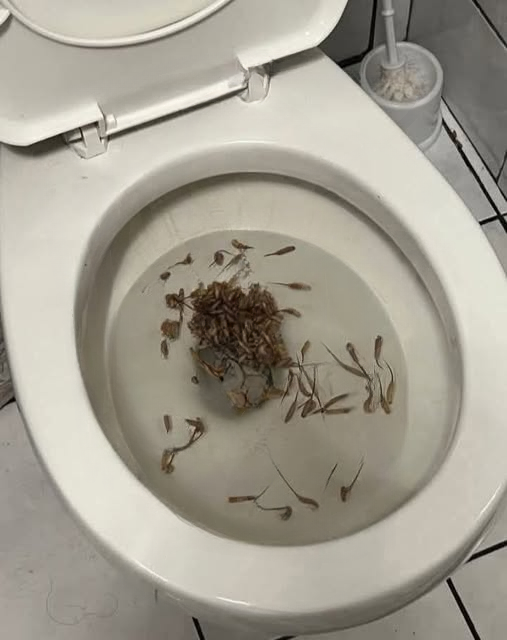
Mosquitoes are among the most common insects found in homes and outdoor environments around the world. While they are often associated with minor irritation due to their bites, their presence can also raise broader concerns about hygiene and environmental conditions. One of the most effective ways to manage mosquito populations is to understand their early development stages—particularly the larval phase.
By learning how mosquito larvae form, where they thrive, and how to prevent their growth, homeowners can take practical steps to maintain a cleaner and more comfortable living space. This guide offers a detailed and easy-to-understand explanation of mosquito larvae, along with safe and effective strategies for prevention and control.
What Are Mosquito Larvae?
Mosquito larvae represent the second stage in the life cycle of a mosquito. After adult mosquitoes lay eggs in or near water, those eggs hatch into larvae within a short period of time. These larvae are small, elongated organisms that live entirely in water until they develop further.
They are often visible to the naked eye and can be recognized by their distinctive movement. When disturbed, they tend to wriggle quickly through the water, which is why they are sometimes referred to as “wigglers.”
Key Characteristics
Mosquito larvae share several identifiable features:
- Shape and size: They are slender, segmented, and usually only a few millimeters long.
- Color: Most appear light gray, pale brown, or nearly transparent.
- Movement: They move in a quick, jerking motion when the water is disturbed.
- Habitat: They remain close to the surface of still water, where they breathe through specialized structures.
The larval stage typically lasts between one and two weeks, depending on environmental conditions such as temperature, water quality, and availability of food sources.
The Mosquito Life Cycle Explained
To fully understand why larvae appear in certain places, it helps to look at the entire mosquito life cycle. This process includes four main stages:
1. Egg Stage
Female mosquitoes lay their eggs either directly on the surface of water or in areas that are likely to become flooded. Some species lay eggs individually, while others group them together in clusters.
2. Larval Stage
Once the eggs hatch, larvae emerge and begin feeding on microorganisms and organic material present in the water. This is the stage where they are most visible and easiest to control.
3. Pupal Stage
After growing sufficiently, larvae transform into pupae. This stage does not involve feeding but is a transitional phase where the mosquito prepares to become an adult.
4. Adult Stage
Fully developed mosquitoes emerge from the pupal casing and begin their airborne life. Female mosquitoes may then seek a blood meal to produce more eggs, continuing the cycle.
Under ideal conditions, this entire process can be completed in as little as 7–10 days, making early intervention especially important.
Why Mosquito Larvae Appear Indoors
Many people are surprised to discover mosquito larvae inside their homes, particularly in bathrooms or other areas that seem clean. However, the presence of larvae is usually linked to environmental conditions rather than hygiene alone.
Common Indoor Causes
1. Standing Water
Mosquitoes require still water to reproduce. Even small amounts—such as water in a toilet bowl, sink trap, or bucket—can serve as a breeding site.
2. Infrequent Use
Bathrooms or drains that are rarely used may allow water to remain undisturbed for long periods, creating ideal conditions for eggs to hatch.
3. Warm Temperatures
Indoor environments often provide consistent warmth, which can accelerate the development of mosquito larvae.
4. Open Access Points
Mosquitoes can enter homes through open windows, doors, or ventilation systems and lay eggs in any available water source.
It is important to note that finding larvae indoors does not indicate poor personal hygiene. Instead, it highlights the presence of stagnant water that needs attention.
How to Identify Mosquito Larvae
Early detection is key to preventing mosquitoes from multiplying. Fortunately, larvae are relatively easy to spot once you know what to look for.
Signs to Watch For
- Small moving shapes in water: Look for tiny, wriggling organisms near the surface.
- Clusters: Larvae are often found in groups rather than individually.
- Still water: Any water that has remained untouched for several days should be inspected.
Where to Check
Common places where larvae may appear include:
- Toilets that are not used frequently
- Sink drains and floor drains
- Buckets or containers with standing water
- Plant trays and watering dishes
- Outdoor puddles or clogged gutters
Regular inspection of these areas can help you address the issue before it develops further.
Practical Steps to Prevent Mosquito Larvae
Preventing mosquito larvae is far easier than dealing with a full mosquito infestation. By removing breeding sites and maintaining clean water systems, you can significantly reduce the risk.
1. Eliminate Standing Water
This is the most important step. Ensure that water does not accumulate in:
- Containers
- Flower pots
- Outdoor furniture
- Roof gutters
Even a small amount of water can support mosquito development.
2. Maintain Regular Cleaning
Clean and disinfect areas where water is present:
- Scrub toilets and sinks regularly
- Rinse drains with hot water or safe cleaning solutions
- Remove any buildup that could support microorganisms
3. Flush and Use Fixtures Frequently
In rarely used bathrooms:
- Flush toilets regularly
- Run water through sinks and drains
- Keep water moving to prevent stagnation
4. Improve Ventilation and Screening
Prevent mosquitoes from entering your home by:
- Installing window screens
- Closing doors when possible
- Repairing any openings or cracks
5. Maintain Outdoor Areas
Outdoor maintenance is equally important:
- Trim vegetation
- Clean gutters
- Refresh water in birdbaths frequently
Are Mosquito Larvae Dangerous?
Mosquito larvae themselves are not harmful to humans. They do not bite, sting, or transmit diseases. However, they eventually develop into adult mosquitoes, which can become a nuisance.
The main concern is preventing their growth into adulthood, where they may contribute to discomfort in living spaces.
Natural and Eco-Friendly Prevention Methods
For those who prefer environmentally friendly solutions, several natural methods can help control mosquito larvae.
Biological Control
Introducing natural predators into outdoor water sources can help:
- Small fish can feed on larvae in ponds
- Certain aquatic organisms naturally reduce larval populations
Water Movement
Mosquito larvae thrive in still water. Adding movement can discourage their development:
- Use fountains or aerators
- Stir water regularly in small containers
Plant-Based Deterrents
Certain plants may help discourage adult mosquitoes from laying eggs nearby:
- Lavender
- Mint
- Marigold
While these do not eliminate larvae directly, they can complement other prevention efforts.
When to Consider Professional Help
In some cases, mosquito problems may persist despite regular cleaning and maintenance. Professional pest control services can assist by:
- Identifying hidden water sources
- Applying safe and targeted treatments
- Offering long-term prevention strategies
Seeking professional assistance can be especially helpful for larger properties or recurring issues.
Community Responsibility and Awareness
Mosquito control is not only an individual effort—it also depends on community awareness. When multiple households take preventive measures, the overall mosquito population decreases.
Community Actions Include:
- Participating in cleanup efforts
- Reporting stagnant water in public areas
- Sharing knowledge about prevention
Working together creates a safer and more comfortable environment for everyone.
Common Misconceptions About Mosquito Larvae
There are many myths surrounding mosquito larvae, particularly online. It is important to rely on accurate information.
Myth 1: Larvae can develop inside the human body
Reality: Mosquito larvae require water and cannot survive inside the human body.
Myth 2: Clean homes cannot have larvae
Reality: Any location with standing water, regardless of cleanliness, can attract mosquitoes.
Myth 3: Only outdoor areas are affected
Reality: Indoor spaces with stagnant water can also support larvae.
Understanding these facts helps prevent unnecessary concern and encourages practical solutions.
Long-Term Prevention Strategies
To maintain a mosquito-free environment, consistency is key. Consider incorporating the following habits into your routine:
- Perform weekly inspections for standing water
- Clean and refresh water sources regularly
- Keep both indoor and outdoor areas well-maintained
These small actions can have a significant impact over time.
The Bigger Picture: Environmental Balance
Mosquitoes are part of the natural ecosystem, and their larvae contribute to aquatic food chains. However, controlling their presence near homes is important for comfort and hygiene.
Balancing environmental awareness with practical prevention ensures that ecosystems remain healthy while minimizing disruptions to daily life.
Final Thoughts
Mosquito larvae may be small, but they play a significant role in the development of adult mosquitoes. Understanding how they form, where they thrive, and how to prevent them empowers homeowners to take control of their environment.
The key points to remember are:
- Larvae develop in standing water
- Early detection makes prevention easier
- Regular cleaning and maintenance are highly effective
- Community awareness enhances overall results
By staying informed and proactive, you can create a safer, cleaner, and more comfortable home for yourself and your family.